What a Fed rate hike means for your bank accounts, loans, credit cards, and investments
Here's how the Fed's rate decision could impact savings products, various types of loans, and credit cards.
Some offers on this page are from advertisers who pay us, which may affect which products we write about, but not our recommendations. See our Advertiser Disclosure .
The Federal Reserve raised interest rates on Wednesday, marking its first hike in more than three years, in a move that will likely make borrowing more expensive while giving savers a modest boost.
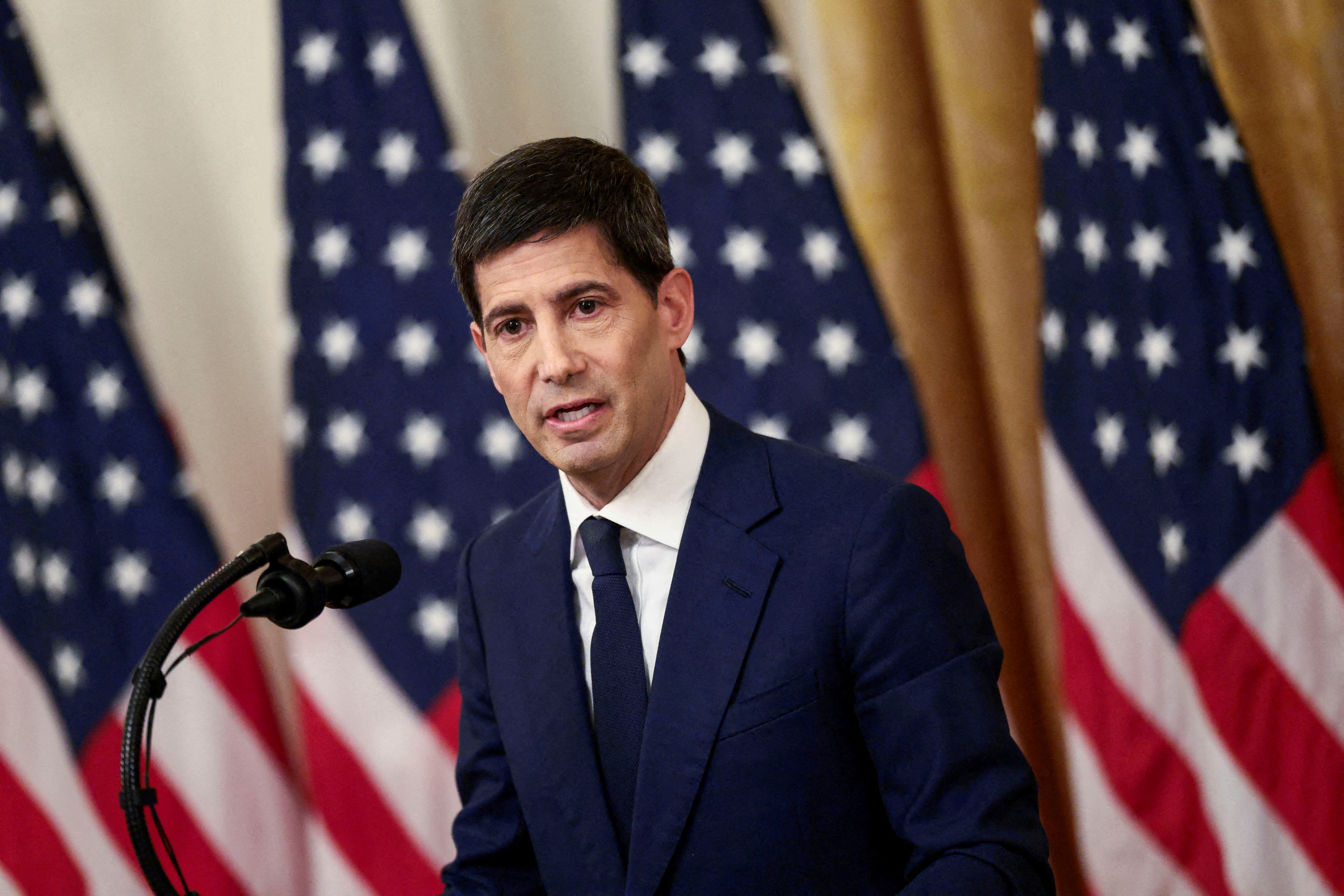
Fed Chairman Kevin Warsh and the Federal Open Market Committee announced a widely expected quarter-point rate increase and indicated another to come.
The stock market's reaction to the Fed's announcement is likely to draw the most headlines, and John Shugar, a partner at Goldman Sachs, leans toward an optimistic scenario.
"You basically have a market where all of the heavy lifting has actually been done on the earnings side," Shugar said in an analysis. He points to "terrific opportunities" in various AI consumer sectors, though "over the next few weeks, we may have a lot more speed bumps."
However, within one year, he says he expects the S&P 500 index to climb above 8,000.
What will a higher rate environment mean for your money? The federal funds rate influences not only the stock market, but also savings rates, interest charges, and, to a lesser degree, mortgage rates. Here's how to prepare for the impact on your deposits, credit, and debt.
How a Fed rate hike affects checking and savings accounts
A series of Fed rate hikes will likely lift deposit earnings, slowly. But deposit accounts are mostly for convenience, not substantial returns, and gains so far in 2026 have been meager.
Your checking account churns cash flow to pay bills. The liquidity limits your earning power.
The national average interest rate on checking accounts has barely budged this year, remaining at 0.07%. A Fed short-term interest rate increase, whenever it comes, may nudge earnings incrementally higher.
Interest rates on savings accounts are only marginally better, clinging to 0.38%. But savings accounts are for near-term money.
High-yield savings accounts have been more effective at paying interest. Rates are mostly in the 3% range, with an occasional 4% yield available.
This is one category where rate shopping and subsequent Fed rate increases really pay off.
If you have $10,000 or more that you want to keep on the sidelines but easy to tap when you need it, money market accounts have been convenient — but low-paying, with a national average payout of only 0.63%.
A high-yield money market account is a better option, where you may still find a rate just under 4%, but mostly in the mid-3% range.
CD rates have begun inching higher. The national average on a 12-month CD is 1.71%, but you can find better deals if you're willing to shop around — and move your money to the best offer.
Your minimum deposit and term will affect your rate. Fed rate hikes may ultimately sweeten CD rates.
What a rate hike will mean for mortgages and personal loans
And then there are mortgage rates, often the largest borrowing expense consumers face. Fed interest rate increases don't usually move mortgage rates directly — the bond market tends to price in hikes before monetary policy moves.
Mortgage rates hit three-year lows at the end of February and into early March. Then the war broke out in the Middle East, and rather than falling further, home loan rates reversed course and edged higher. Home loan rates have recently neared or topped 7% (depending on the rate reporting source), mirroring the higher yields of the 10-year Treasury note .
Housing industry analysts at the Mortgage Bankers Association and Fannie Mae predict that mortgage rates will remain above 6.5% through 2027.
Personal loan interest rates have risen slightly to an average of 11.86%. Advertised personal loan rates are now generally in the 7%-8% range.
What happens to credit cards when the Fed raises rates
Credit card interest affects everyone — except those who pay off their balance each month. Rates have climbed from around 16% in 2021 to an average of over 22% toda
Michele Raneri, vice president and head of U.S. research at TransUnion, expects consumers to see "minimally higher" borrowing costs as variable-rate credit products reflect the Fed's interest rate hike.
"A consumer carrying the average Q2 2026 credit card balance of $6,610 at a 22% APR could see an increase of $1.38 in minimum monthly payments as those higher rates are passed on," Raneri said in a statement. "While the near-term impact on minimum monthly credit card payments may be relatively small, higher borrowing costs can add up over time, particularly for consumers carrying larger balances or making only minimum payments.
Reducing revolving debt will limit the impact of rising interest rates, she added.
Yahoo Finance tip: The best way to earn a lower credit card interest rate right away is to ask. If you make regular payments and have seen your credit score improving, it's a good time to call your credit card provider and ask for a lower interest rate.
How the Fed's interest rate policy impacts your investments
"There's an old Wall Street adage that says, 'Don't fight the Fed,'" Kevin Gordon, head of macro research and strategy at Schwab, said in an analysis. "The idea behind it was that there's often a lot of turbulence associated with Fed rate-hiking cycles."
He noted that history shows an average maximum loss of more than 10% for the S&P 500 sometime within 12 months after the start of a higher-interest-rate cycle.
"Broadly, though, we would say that the economic backdrop is still relatively favorable for the Fed to be hiking. So even if it is a hiking cycle where they do hike more than once, we think that the economy can probably hold up," he added.
Stock prices often react to the Fed's rate actions, but they are only one of many factors affecting the investing climate and stock prices. AI investments and oil-price-fueled inflation seem to be the most motivating factors for equity markets these days.
If you want to manage your investments for the current environment, monitor broader economic and corporate profit trends, as well as interest rates. If you prefer to stay conservative, fill your portfolio with high-quality stocks that have proven themselves in all economic cycles.
Then, wait patiently for long-term growth.
Understanding the Fed's rate decisions: Do we want high or low interest rates?
The Federal Reserve's interest rate decisions can directly impact your wallet. So what's better: high or low interest rates?
Fed predictions for 2026: Will a rate hike happen by the end of the year?
Will the Fed cut or raise interest rates in 2026? We reached out to economic experts for their Fed rate predictions. Here's what they had to say.
How does inflation impact savings and CD rates?
Understanding the relationship between savings/CD rates and inflation can help you maximize your interest earnings. Here’s how inflation impacts savings account and CD rates.
How to maximize your interest earnings when the Fed cuts rates
The Fed's rate decision will ripple through bank accounts. So, how can you continue to earn interest on your savings? Here's what to do.
How are stocks impacted when the Fed doesn't change interest rates?
Here's what to expect and how to avoid adjusting your portfolio in response to future interest rates.
Should you open a CD account before the Fed's next meeting?
Knowing how the Federal Reserve's monetary policy decisions impact your interest earnings over time is key to making an informed decision about where to put your money.
Topics in this story
Gathered from external sources. Rights to this text belong to whoever originally published it.