Michael Burry Says He Sold Alibaba, Calling It Pricey Before $10.2 Billion Share Sale
Michael Burry, the investor famous for his subprime mortgage bets detailed in “The Big Short,” said on August 23 that he has sold his stake in Alibaba Group...
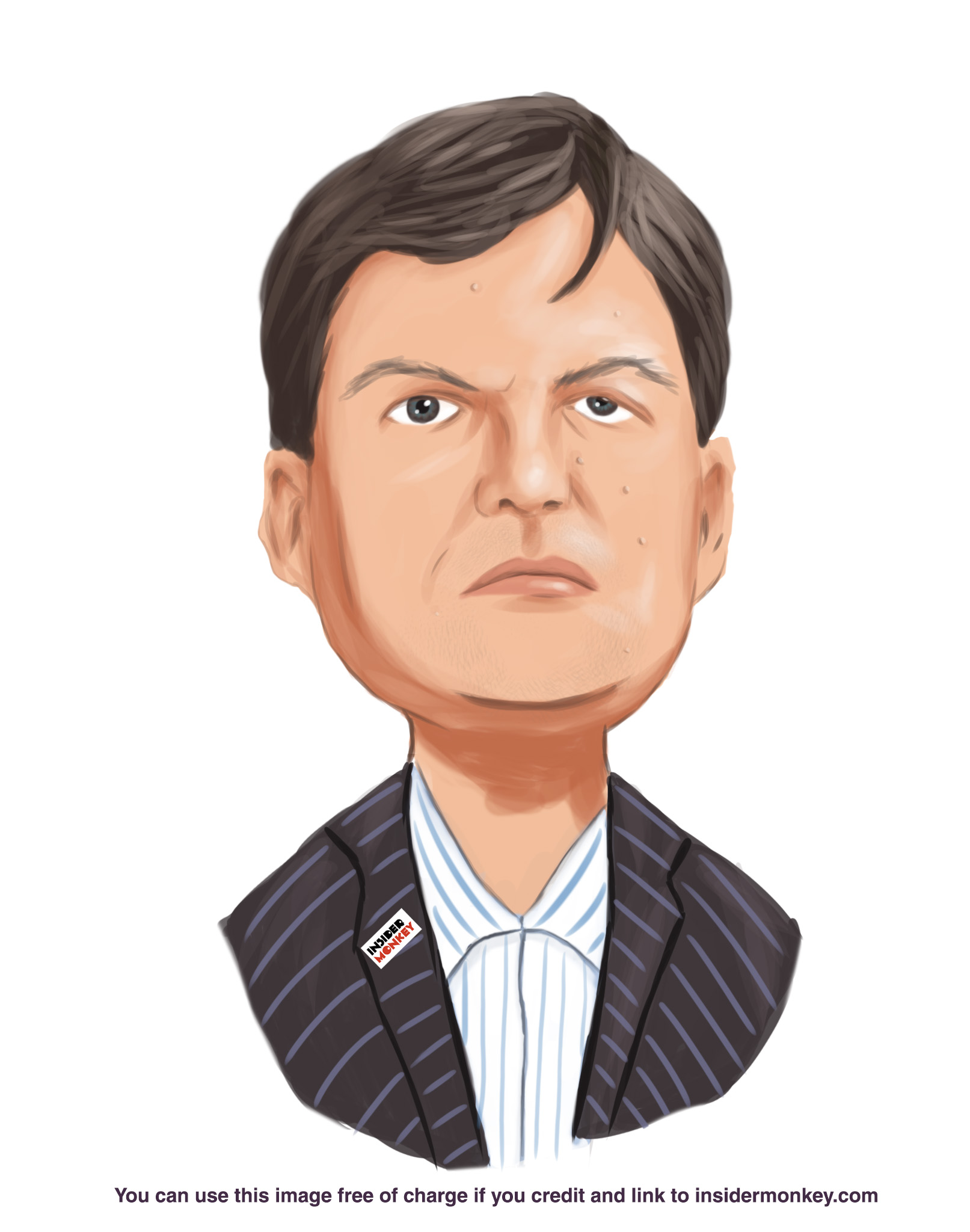
Michael Burry, the investor famous for his subprime mortgage bets detailed in "The Big Short," said on August 23 that he has sold his stake in Alibaba Group Holding Limited (NYSE: BABA ), calling the Chinese e-commerce and cloud giant's shares overvalued. Burry stated in a Substack article that he had intended to reinvest the majority of his investment in Alibaba within a month or two, but changed his mind. "No longer," he said, adding that the stock's price would need to "fall by half" before he became interested again.
The Share Sale That Changed Burry's Mind
Burry's statements came after Alibaba Group Holding Limited (NYSE:BABA) announced and subsequently completed an approximately HK$80 billion, or $10.2 billion, share placement, through a share offering to fund its artificial intelligence goals. The company has stated that all net proceeds will go into developing its "full stack" AI capabilities.
That funding structure prompted Burry to abandon his plan to reinvest in the stock. "I cannot bless share issuances," he said, adding that Burry objected to the dilution from the financing and said he expects Alibaba's return on invested capital to continue declining. In another post on X, he stated clearly that he wouldn't change his view on Alibaba, referring to share issuance as the company's "new paradigm."
Burry had acquired a new Alibaba Group Holding Limited (NYSE:BABA) stake in April, stating at the time that it comprised just over 6% of his portfolio according to his disclosures at the time. However, in late June, he reversed direction, stating that he had sold the entire holding and invested the proceeds in JD.com, Inc. (NASDAQ: JD ), Alibaba's main domestic e-commerce rival. He subsequently described his JD.com position as large and argued that easing competition in China's delivery market could support higher margins.
Institutional opinions regarding the two companies have shifted in distinct directions. Alibaba Group Holding Limited (NYSE:BABA) saw hedge fund holdings decrease marginally, from 102 funds in the first quarter to 97 in the second quarter. JD.com, Inc. (NASDAQ:JD), by comparison, saw hedge fund ownership move up little, from 43 funds to 44 over the same period.
The case against Burry's Alibaba skepticism is that share offerings to fund AI infrastructure aren't inherently a red flag, since many capital-intensive AI buildouts throughout the industry are being financed in this manner, and Alibaba's scale and existing cloud and e-commerce cash flows could still support a successful buildout even without funding it solely from operations. For JD.com, the value case rests on its earnings potential, shareholder distributions, and logistics network. The company generated $187.2 billion in revenue in FY2025. A low forward earnings multiple could offer upside if profits recover, but it may also reflect doubts about the durability of forecast earnings.
Gathered from external sources. Rights to this text belong to whoever originally published it.