He Borrowed Against the Corn Instead of Selling It. One Tax Election Made the Loan Part of the Farm Income Social Security Counts.
A grain farmer pledges his corn as collateral, keeps every bushel in the bin, and still watches that loan reshape his Social Security earnings. One obscure t...
Under IRC Section 77, farmers can elect to report CCC loan proceeds as Schedule F income, triggering Social Security earnings even without selling a crop.
In 2026, net farm profit above $24,480 costs pre-retirement-age farmers $1 in Social Security benefits for every $2 earned over the limit.
The Section 77 election binds future years too, so farmers should compare tax outcomes and review their earnings history before committing.
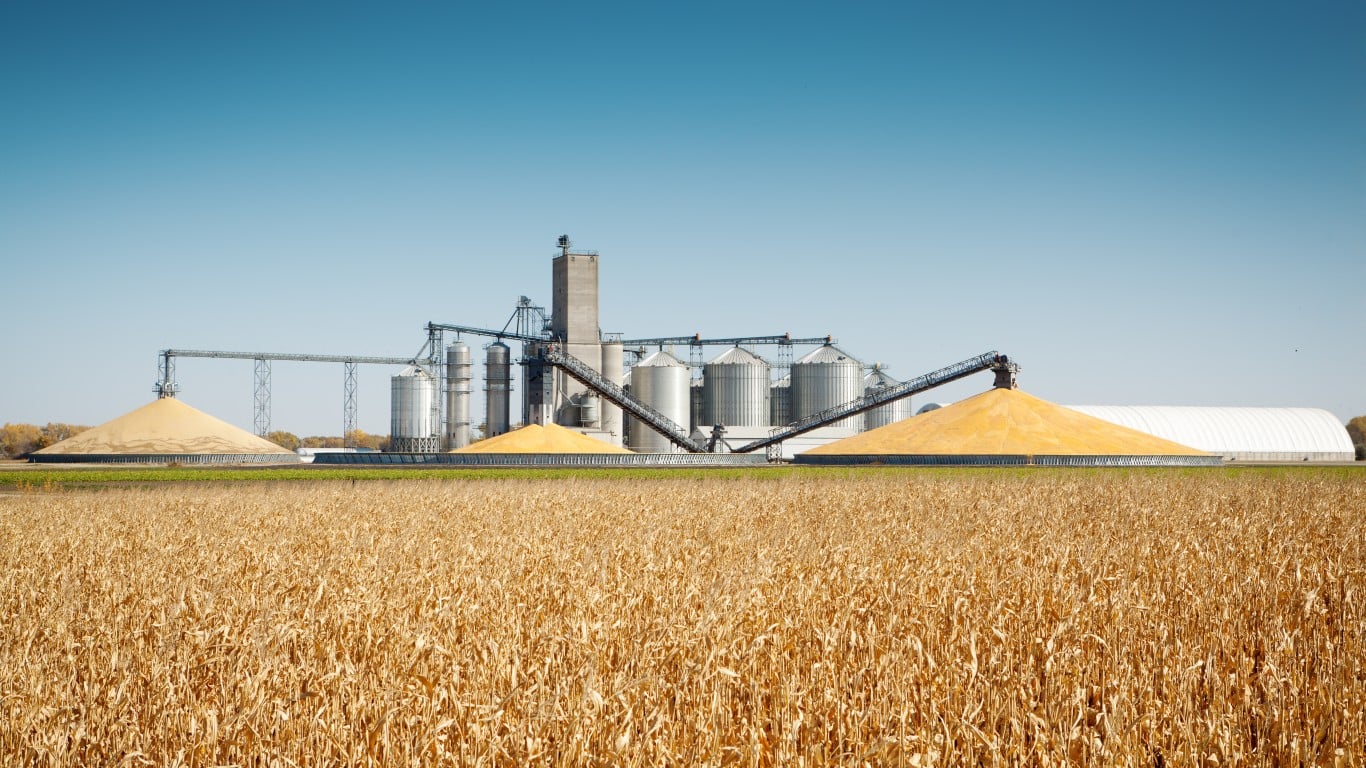
Picture a Midwestern grain farmer with bins full of corn and prices too weak to tempt him into selling. Storage is already paid for, so he pledges the crop as collateral for a USDA Commodity Credit Corporation loan and keeps the grain in the bin. Cash arrives, but no customer has bought a bushel.
Ordinarily, a loan is not income. Farmers using certain federal marketing assistance loans, however, can elect to treat the proceeds as though the crop had been sold in the year the money arrives. That can be useful tax planning, but for someone already collecting Social Security before full retirement age (FRA), it can also increase the farm earnings that count against his benefits.
The IRS generally treats a Commodity Credit Corporation marketing assistance loan as debt rather than taxable income. A farmer can choose a different method under Section 77 of the Internal Revenue Code and report the loan proceeds as current farm income instead. The amount goes onto Schedule F, and the farmer attaches a statement describing the loan.
Learn 13 Major Retirement Mistakes and Ways To Avoid Them
One investment mistake could create big risks for your retirement. Many investors make the same critical errors: being too conservative, making big bets on "sure things," or paying excessive fees. Any of those blunders can endanger your hard-earned savings.
Now you can learn the mistakes even experienced investors make (and ways you can sidestep them before it's too late) with this new guide: 13 Retirement Mistakes and How to Avoid Them from Fisher Investments. Access your complimentary copy here (sponsor)
That election effectively treats the pledged crop as though it had been sold for the loan amount. The income reported also becomes basis in the commodity, preventing the same dollars from simply being taxed again when the corn is later redeemed and sold. There can be good reasons to accelerate the income. A farmer may want to fill a low-income year, make better use of deductions or smooth taxable farm income between seasons. The election gives him another timing lever without forcing a sale when crop prices are unattractive.
Topics in this story
Gathered from external sources. Rights to this text belong to whoever originally published it.