116-year-old retailer closes 14 stores as more closures loom
The luxury retailer, like many rivals, is becoming more selective about where it operates and how it allocates capital.
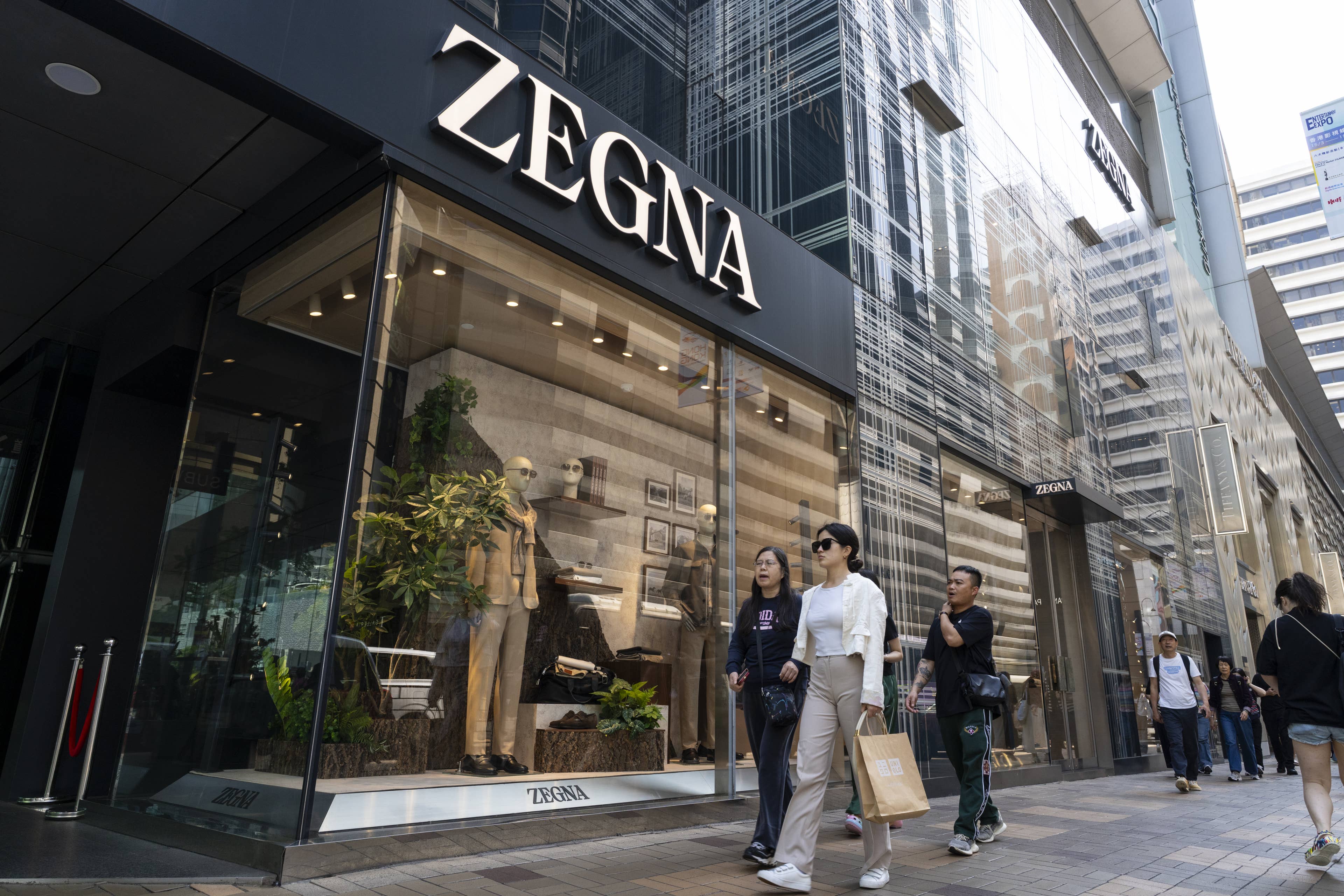
A major luxury retailer has closed more than a dozen stores this year and warns that additional closures could follow as it reshapes its global retail network.
The company is taking a more selective approach to its physical footprint, focusing investment on its strongest-performing brands and markets while reassessing locations that are not delivering the same returns.
Founded in 1910 in Italy, the Ermenegildo Zegna Group is a global luxury fashion company whose portfolio includes Zegna, Thom Browne, and Tom Ford.
Zegna Group closed 14 stores during the first half of fiscal 2026, bringing its global store count to 657, according to the company's earnings report .
Most of the closures occurred in EMEA and Greater China, while the Americas accounted for the majority of new store openings.
The company is reassessing its Greater China retail presence in particular, where it plans to operate fewer, more profitable locations while continuing to invest in stores that it believes have stronger growth potential.
During the company's latest earnings call , Zegna Group CEO Gianluca Tagliabue said the company expects to close additional locations as it continues to optimize its network.
Tagliabue indicated that the closures are part of a broader optimization effort rather than simply a response to expiring leases.
"We are going to close, and that's not only this year, but we will take more because we are not closing just for the anticipating the closure by the lease," said Tagliabue.
He said these shutdowns will allow the company to redirect investment toward its remaining stores and operations, and pointed to China as an important market for the group, noting that the company believes its strategy is helping it gain market share.
The store closures are part of a broader effort to reshape Zegna Group's retail and wholesale networks globally.
The company is reducing select wholesale locations while increasing its focus on directly operated stores. The strategy gives the group greater control over how its brands are presented and can help protect pricing and brand positioning.
Thom Browne, in particular, is moving away from a wholesale-driven model toward a more retail-oriented approach.
Tagliabue said the transition is taking place in several phases and will require time, creating some temporary pressure on the company's results.
"We are completing the reduction and upgrading of the wholesale network, and to be honest, the process has been taking longer than initially anticipated, partially due to a challenging macroeconomic environment," said Tagliabue.
Topics in this story
Gathered from external sources. Rights to this text belong to whoever originally published it.