Kalshi Courts Wall Street in Bid to Be the ‘Inflation Exchange’
Kalshi Inc. is opening up a new frontier in its rivalry with traditional financial exchanges by pitching the world’s largest banks and hedge funds on a futur...
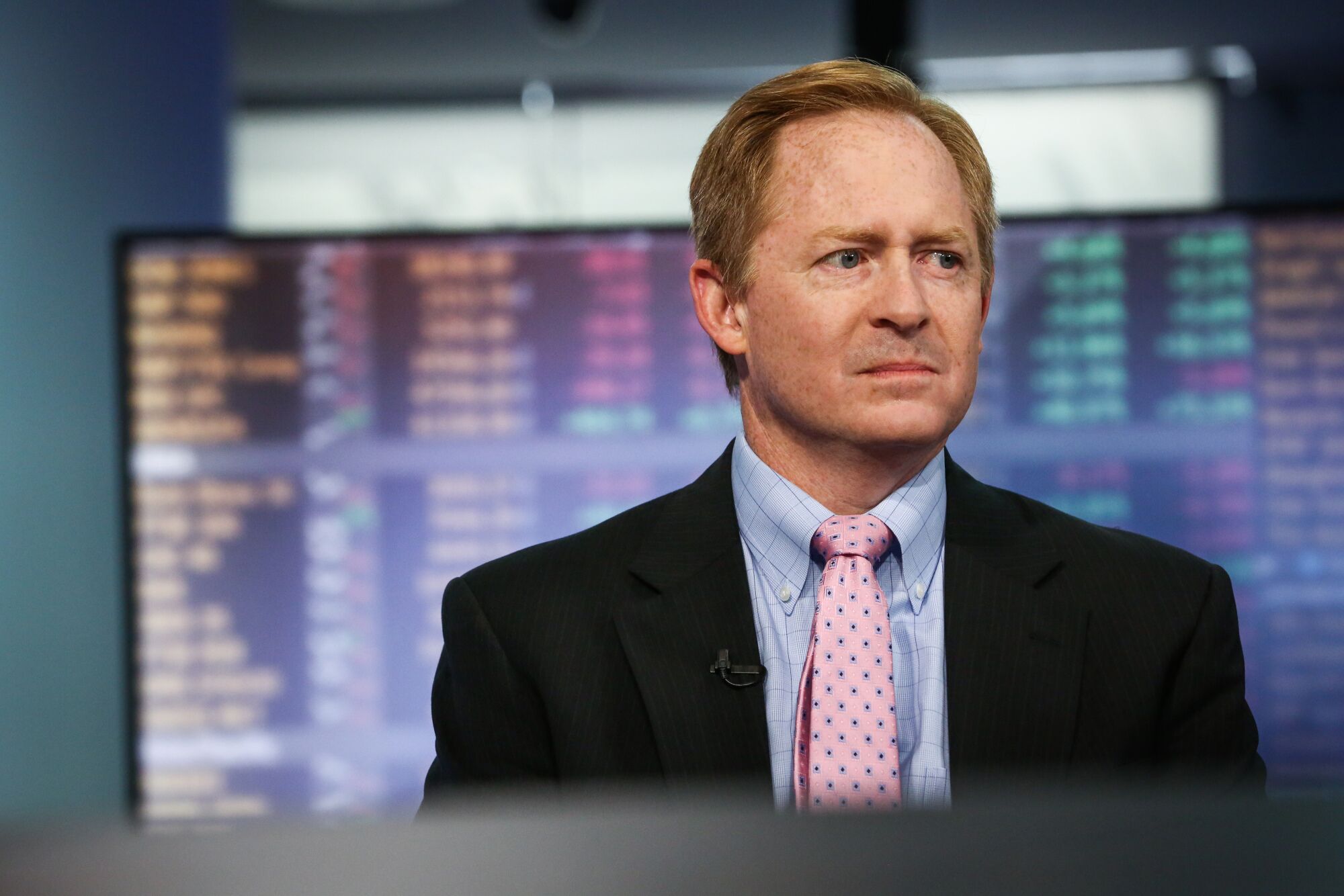
(Bloomberg) -- Kalshi Inc. is opening up a new frontier in its rivalry with traditional financial exchanges by pitching the world's largest banks and hedge funds on a futures market tied to US inflation.
The New York-based firm, best known for its prediction markets, is targeting a December launch for exchange-traded futures contracts tracking both the consumer price index and the closely watched core gauge of inflation, which excludes food and energy, according to people familiar with the matter. The firm has tapped Michael Ashton, a former Barclays Plc trader known as the "Inflation Guy," to design the contracts and drum up interest with big investment firms.
The contracts would be the only futures tied directly to CPI, giving Kalshi a unique way to court macro investors active in the multi-trillion-dollar markets for interest-rate and bond futures that are currently offered by CME Group Inc. and Intercontinental Exchange Inc. CME tried to roll out CPI futures in the past but does not currently offer them.
Kalshi is looking to roll out the product at a time when inflation has become a central preoccupation for trading desks trying to get ahead of potential rate hikes from the Federal Reserve.
"There's no exchange that trades this and they want to be the inflation exchange," said Ashton, the managing principal of Enduring Investments LLC.
A Kalshi spokesperson confirmed they were working on CPI futures, but declined to provide details on the rollout.
The CPI futures are the latest in a dizzying array of new financial products rolled out by Kalshi and a handful of other startup exchanges.
Kalshi's prediction market exchange is dominated by sports betting, but it already offers event contracts that allow customers to bet on whether CPI comes in above or below a certain level each month. Those binary contracts, though, have primarily been attractive to retail investors because they don't offer the kind of smooth payout outcomes that institutional investors and traders are typically seeking.
Kalshi also has a growing business in so-called perpetual contracts, or perps, tracking the likes of crypto tokens and commodities. Unlike the new CPI futures, though, perps do not have any expiration date, which make it hard for them to slot into the existing Wall Street financial infrastructure. The CPI futures give Kalshi a new kind of product and a way to test expanding into traditional futures markets.
Topics in this story
Gathered from external sources. Rights to this text belong to whoever originally published it.