Flight delayed, canceled? Rule coming in October could impact your compensation
The changes, which are set to take effect next month, could impact your chances at being compensated if your flight is delayed or canceled for one of several reasons.
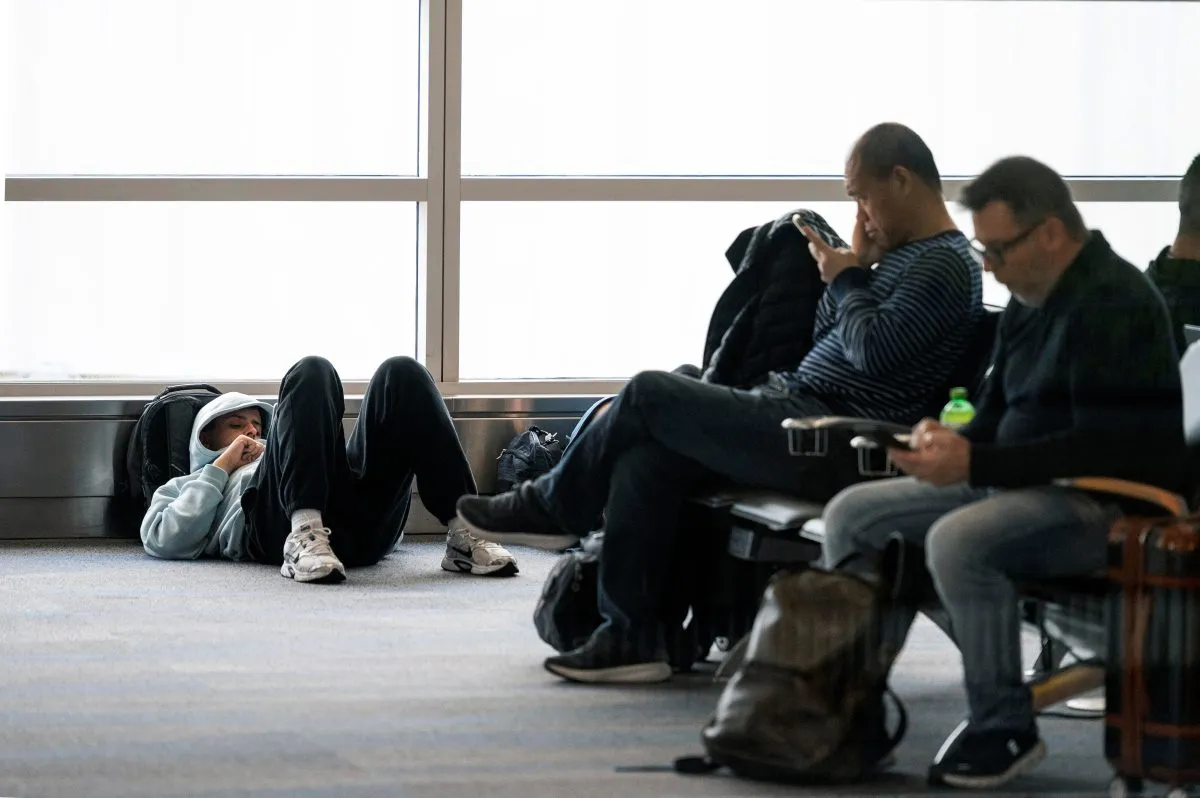
(NEXSTAR) – A new federal rule is changing how nearly a dozen flight disruptions are classified in a move that could impact you if your travel is upended, according to an industry expert.
The rule calls for 10 types of flight disruptions to no longer be attributed to the air carrier. Currently, federal regulations say flight cancellations and delays of at least 15 minutes are attributed to one of five categories : air carrier, extreme weather, the National Aviation System, security, and late arriving aircraft.
The recategorization is in response to the FAA Reauthorization Act of 2024, a Transportation Department spokesperson told Nexstar. President Biden signed the legislation in May 2024.
“These 10 specific types of flight disruptions will now be tracked in a brand-new reporting category to ensure government delay data accurately reflects what airlines can and cannot control,” the spokesperson explained.
The disruption types below will fall under the “Section 511(b) category” instead of being considered “within the carrier’s control” when the new rule takes effect next month.
Aircraft cleaning needed after the death of a passenger.
Aircraft damage caused by extreme weather, foreign object debris, or sabotage.
A baggage or cargo loading delay caused by an outage of a bag system not controlled by a carrier or its contractor.
Cybersecurity attacks, as long as the air carrier is in compliance with applicable cybersecurity regulations.
A shutdown or system failure of government systems that directly affects the ability of an air carrier to safely conduct flights and is unexpected.
Overheated brakes due to a safety incident resulting in the use of emergency procedures.
Unscheduled maintenance, including in response to an airworthiness directive, manifesting outside a scheduled maintenance program that cannot be deferred or must be addressed before flight.
An emergency that required medical attention through no fault of the carrier.
An airport closure due to the presence of volcanic ash, wind, or wind shear.
The DOT explained that by recategorizing these incidents, it is expected that airline carriers will save costs by “[reducing] the negative reputational impacts and harm that air carriers currently experience because the attribution of certain delay and cancellation causes to air carriers that this rulemaking addresses as not within their control.”
Aviation law firm Crowell & Moring LLP called it “a significant step forward for the airline industry,” noting that carriers had argued that the current reporting structure “misattributes certain disruptions to carriers that are not within their operational control.”
It may not be as beneficial for travelers, though.
At present, all major U.S. airlines will rebook you on another one of their flights for no additional cost if your original flight is the victim of a “controllable” cancellation or delay. If you’re facing a wait of three hours or more because of that cancellation or delay, you’re eligible for a meal or meal cash or voucher. Just one airline, Frontier, will not provide complimentary hotel accommodations for an overnight cancellation or delay.
After the change takes effect on Oct. 19, it may become harder for you to get compensation.
“This is quite a big blow potentially for customers,” Clint Henderson, the managing editor for The Points Guy, told Nexstar via email. “These new rules mean fewer and fewer issues are considered within the airline’s control.”
The Transportation Department acknowledged that reclassifying the 10 causes of delays and cancellations outside of the carrier’s control is expected to reduce “the total value of amenities and compensation currently provided by air carriers to consumers.”
“The one that is especially outrageous to me as a consumer advocate is that if a plane goes mechanical or has maintenance issues, that is no longer considered a reason the airline would give you compensation,” Henderson said. That may mean that, if your flight is canceled for an issue, “the airline wouldn’t necessarily give you food or hotel vouchers.”
While airlines haven’t explicitly said they will roll back their compensation standards in light of the rule change, Henderson encourages being prepared for flight disruptions and “to have a backup plan in case things go sideways.”
“Passengers are going to have to be much more aggressive in researching delays and cancellations,” he explained. “If the airline tells you it’s ‘mechanical’ or ‘operational,’ you’re going to need to do more research…ask exactly what the issue is and document everything. Save emails and take screenshots. Save receipts. Don’t accept vague language. Finally, ask for what you want. Even if the answer is no, you have fought for yourself.”
Henderson recommended asking for a hotel and reimbursement for car rentals, ride shares, food, and beverages. If an airline declines to offer cash compensation, he suggested asking for miles.
Last year, the Trump administration announced it would ditch a Biden-era plan to require most airlines to compensate passengers for flight delays and disruptions. Passengers could have received hundreds of dollars for delayed flights in addition to other compensation, like for meals and lodging, The Hill reported in Sept. 2025.
Topics in this story
Gathered from external sources. Rights to this text belong to whoever originally published it.