Hormuz Oil Flows Rising as Gulf Giants’ Ramp Up Accelerates
The flow of crude through the Strait of Hormuz is creeping higher as producers across the Middle East boost exports in the face of Iran’s lingering threat to...
(Bloomberg) -- The flow of crude through the Strait of Hormuz is creeping higher as producers across the Middle East boost exports in the face of Iran's lingering threat to shipping. The increase is keeping global crude oil prices in check.
About 6 million to 8 million barrels a day of crude are now being shipped through the world's key oil chokepoint, according to estimates from oil traders involved in and monitoring cargo activity. Flows slipped in July, when an onslaught of attacks on supertankers by Iran led to the breakdown of an interim ceasefire and heightened risks to navigation. They remain at roughly half prewar levels.
Still, estimates can be wide-ranging and volatile. Some trackers and US officials have suggested even higher volumes, though the security situation remains precarious. Two freighters were struck on Monday, according to the UK navy, a reminder that there's still significant peril when transiting. One factor helping sustain the increase is the highest earnings in the history of the supertanker market, adding for the incentive for shipowners to cross.
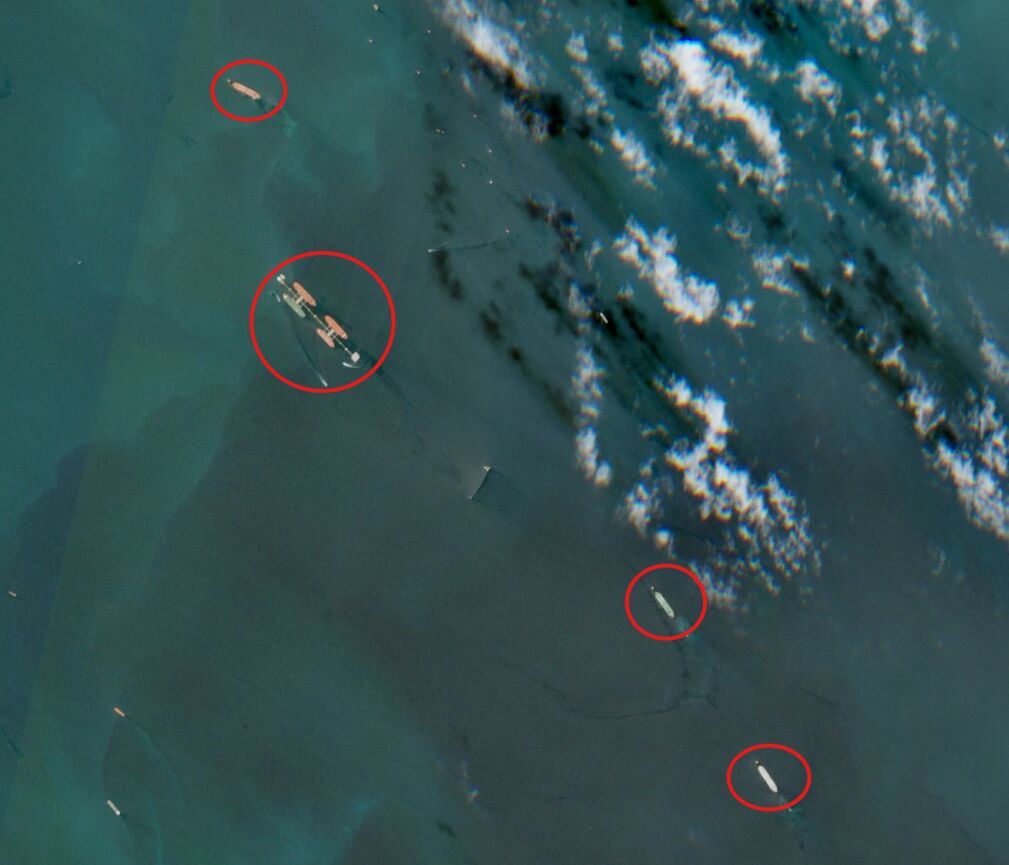
Either way, there are signs that producers across the region have been moving more oil in recent days. To enable that, a batch of tankers are doing shuttle runs, hauling barrels to just outside the Persian Gulf. Once the shuttle ships get there, their cargoes are then collected by waiting tankers that remain unwilling to go through the strait themselves. Every major regional supplier bar Iran is now selling its barrels for collection outside Hormuz.
"In the last few days, more oil seems to be coming out of Hormuz," Georgios Sakellariou, a freight analyst at Signal Maritime, an analytics company. "If it's sustainable, crude oil prices will stay down, although recently that has still meant something close to $85 a barrel."
Brent oil futures were trading at about $88 a barrel on Thursday, on course for the biggest weekly drop since late June when the interim ceasefire was still helping to keep shipments moving. The resumption of negotiations between the US and Iran over ending the war has also stymied prices this week. The boss of Europe's largest oil refiner said this week he is bearish on the outlook for crude prices, in part as barrels quietly escape Hormuz.
Topics in this story
Gathered from external sources. Rights to this text belong to whoever originally published it.