How Much You Need to Retire Comfortably With a Paid-Off Home in Every State
How much retirement savings do you need if your home is paid off? See the nest egg required for singles and couples in every state, based on living costs.
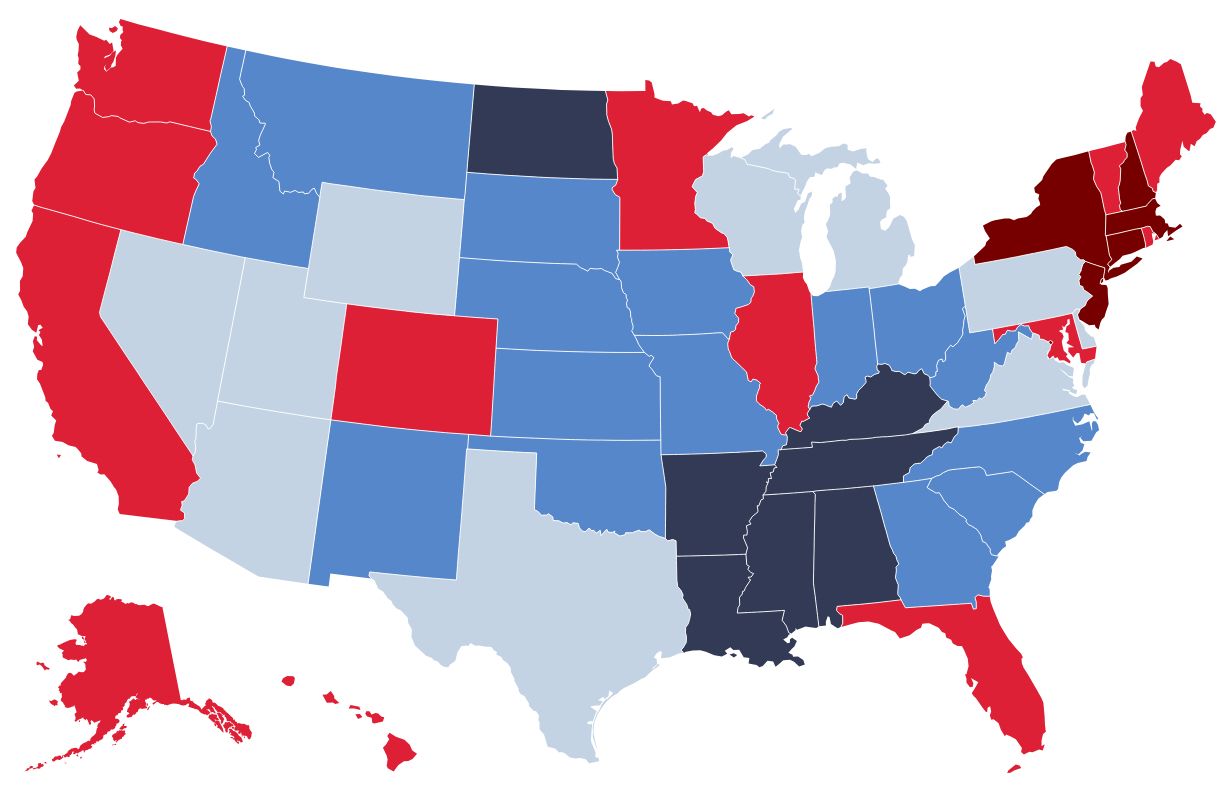
A single retiree with a paid-off home needs about $693,000 in savings, on average, to retire comfortably, though the amount varies by state.
A typical mortgage-free couple would need about $870,000 on average.
Even without a mortgage, retirees still face housing costs, including property taxes, insurance, maintenance, and utilities.
Paying off your mortgage before you retire can feel like clearing one of the biggest hurdles keeping you from . Take away that monthly payment, and you may need far less of a nest egg.
But that doesn't mean you won't have housing bills—insurance, utilities, property taxes, maintenance, and other living expenses don't disappear. These expenses vary by address, which is why an Investopedia analysis of federal data finds that geography makes a big difference in how much you need to retire comfortably.
How Much Mortgage-Free Retirees Need to Save
Almost 80% of U.S. households headed by someone 65 or older own their home, and of those, close to two-thirds own it free and clear.
A single retiree with a paid-off home needs about $693,000 in savings to retire comfortably, according to Investopedia's analysis. Depending on the state, that figure ranges from about $572,000 to $909,000.
Meanwhile, a typical mortgage-free couple needs about $870,000 in savings for a comfortable retirement. Depending on where they choose to live, the estimate ranges from about $700,000 to $1.18 million.
Those mortgage-free estimates are well below the $1.46 million Americans told Northwestern Mutual this year they'd need to retire comfortably. Unlike Investopedia's calculations, however, that figure reflects what survey respondents believe they'll need, rather than an estimate based on retirement expenses.
One big reason our estimates are lower is that retirees free of a mortgage payment have a significant cost advantage, with of $658 for households headed by someone age 65 or older, versus $1,736 for owners still paying off a mortgage, according to Census data.
Retirement savings targets that are one-size-fits-all can miss how much a change in housing costs shifts the math. Where you live and whether you've paid off your mortgage can mean needing to save far less to retire comfortably.
Where a Paid-Off Home Stretches Retirement Savings Furthest
Investopedia's model estimates the cost of a comfortable year of retirement in each state, including everyday spending and the housing costs homeowners still face after the mortgage is gone.
Topics in this story
Gathered from external sources. Rights to this text belong to whoever originally published it.