How much beef does the US import, and where does it come from?
About 80% of U.S. beef imports in the first half of 2026 came from five countries, according to the USDA.
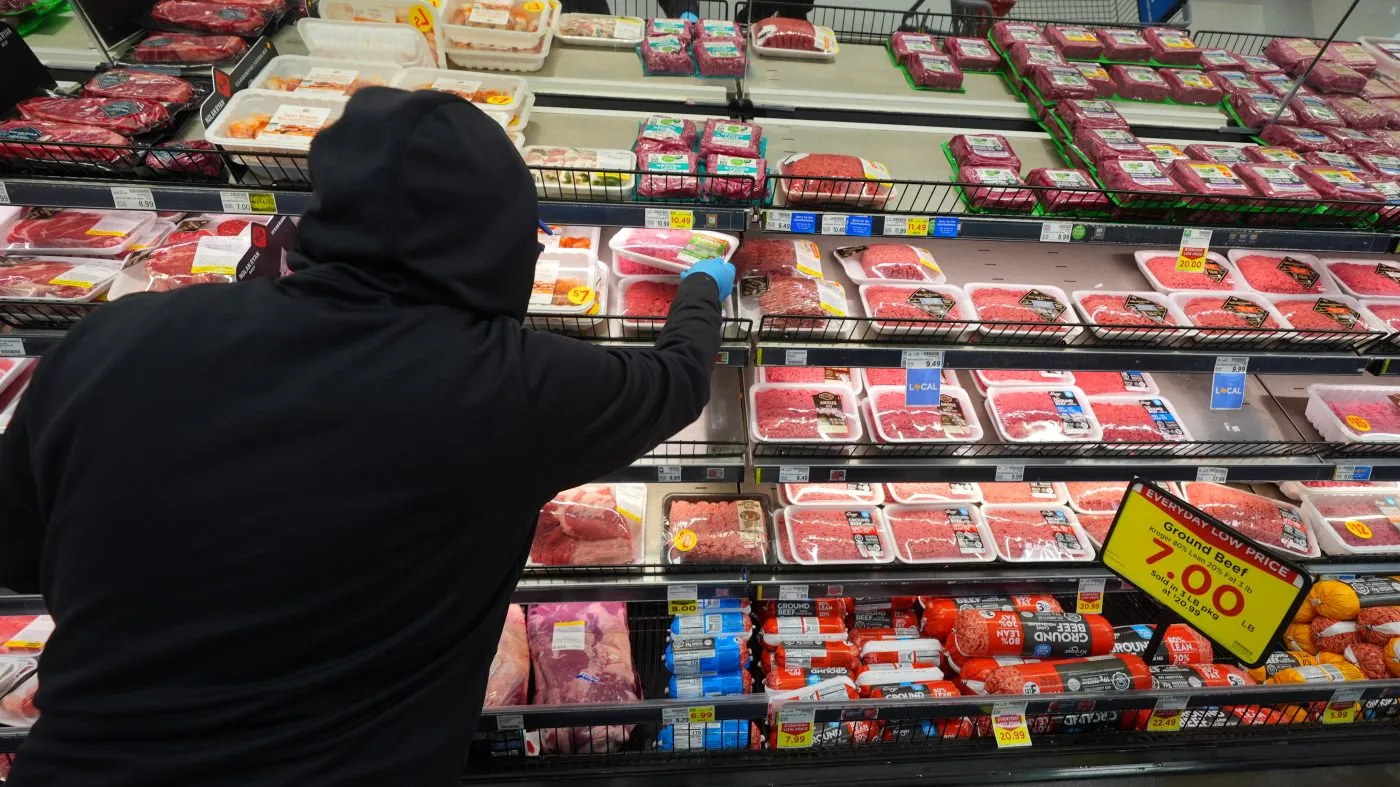
( NewsNation ) — President Trump is betting that importing more beef at lower tariffs will bring down high prices but so far has offered few details about his plan.
Trump announced last week that he had reached a “deal” to “substantially lower” the price of ground beef and said the U.S. will allow up to 300,000 metric tons of ground beef to be imported without triggering higher tariffs over the next 90 days.
“We have a commitment that this beef will be sold at 25 percent below current market prices,” Trump wrote on Truth Social.
The president hasn’t specified who made the commitment, how the discount will work or where the imported beef will come from.
When asked by reporters Friday, Trump declined to say which countries were involved but said a “few” would be sending “the highest quality beef.”
U.S. beef imports were already projected to hit a record 6.1 billion pounds this year before Trump’s announcement, according to the U.S. Department of Agriculture’s (USDA) latest forecast . That would mark a 14 percent jump from a year earlier as the domestic cattle herd sits at a 75-year low.
About 80 percent of beef imports in the first half of 2026 came from five countries: Brazil, Australia, Canada, Mexico and New Zealand. However, imports from countries not in the top five, including Argentina and Paraguay, are up roughly 30 percent from a year earlier.
The tight cattle supply is partly the result of years of drought, which shrank the herd and helped send consumer prices to record highs .
A pound of 100% ground beef cost shoppers $6.89 in July, up from $5.55 when Trump began his second term. Over the past five years, the average price has surged nearly 60 percent.
Most of the beef consumed in the U.S. — about 80 percent — is produced domestically , but with current supply constraints, imports are playing a larger role.
This year’s record import forecast would be an increase of more than 80 percent from 2021, when the U.S. imported about 3.4 billion pounds, according to USDA data .
The president’s plan to allow up to 300,000 metric tons over 90 days equates to roughly 660 million pounds of beef subject to tariff relief. Before the announcement, the USDA forecasted 1.36 billion pounds of imported beef for the fourth quarter.
As for the U.S., the department expects total commercial beef production to be roughly 25 billion pounds in 2026, down from 27 billion pounds two years ago .
Where does the US get its imported beef?
Top sources of U.S. beef imports by volume and share of total, January to June 2026 ( USDA )
Australia: 700 million pounds (21 percent)
New Zealand: 371 million pounds (11 percent)
Rest of World: 623 million pounds (19 percent)
The U.S. imported more beef from Brazil than any other country in the first half of the year, but the headline number masks a shift. Brazil was the only top-five supplier to post a decline from 2025, with volume down 3%.
Meanwhile, the U.S. is getting a lot more beef from Australia (+17 percent), Mexico (+30 percent) and the rest of the world (+31 percent) than it did last year. Imports from Argentina, Paraguay and Nicaragua are up significantly from a year earlier, the USDA noted.
It’s unclear which countries, if any, could supply as much as 300,000 metric tons within Trump’s 90-day window. For perspective, the top supplier, Brazil, exported about 387,000 metric tons to the U.S. during all of 2025 .
Another point to consider: Beef imports from Canada and Mexico are already exempt from tariff-rate quotas, so Trump’s temporary relief wouldn’t directly make beef from either country cheaper.
USDA data shows U.S. beef exports were down 16 percent in the first half of the year compared to 2025, suggesting rising exports aren’t what’s driving tight domestic supplies.
Trump’s beef plan has faced stiff pushback from ranchers and Republican allies , who say it will hurt producers, do little to lower prices for shoppers and fail to rebuild the depleted cattle herd.
The president is expected to formally sign an executive order on the matter within the next two weeks, according to ABC News .
Topics in this story
Gathered from external sources. Rights to this text belong to whoever originally published it.