Charting the Global Economy: Inflationary Pressures Mount in US
Inflationary pressures are mounting in the US, with fresh consumer and wholesale price data indicating costlier fuel is filtering through into higher prices...
(Bloomberg) -- Inflationary pressures are mounting in the US, with fresh consumer and wholesale price data indicating costlier fuel is filtering through into higher prices for other goods and services.
A broad upswing in consumer prices last month helps reinforce expectations for additional Federal Reserve interest-rate increases in the months ahead. Services prices excluding energy and rents registered a steep advance for a second month.
Here are some of the charts that appeared on Bloomberg this week on the latest developments in the global economy, markets and geopolitics:
The energy shock is starting to spill across the US economy as businesses pass along rising costs, complicating the Fed's task of stabilizing inflation. Two reports this week showed sharp price increases last month in categories including airfares, delivery services and trucking as wars overseas pushed oil prices higher. The grocery aisle has so far largely been spared, but economists see upside risks to food prices down the line as well.
ExxonMobil Holdings Corp. is the latest oil supermajor to signal soaring third-quarter refining profits as wars in the Persian Gulf and Russia crippled fuel-making facilities. Higher refining margins added about $4.5 billion to ExxonMobil's earnings, the company said in a preliminary earnings statement on Friday. That's on top of the $4.1 billion the company made from refining in the second quarter.
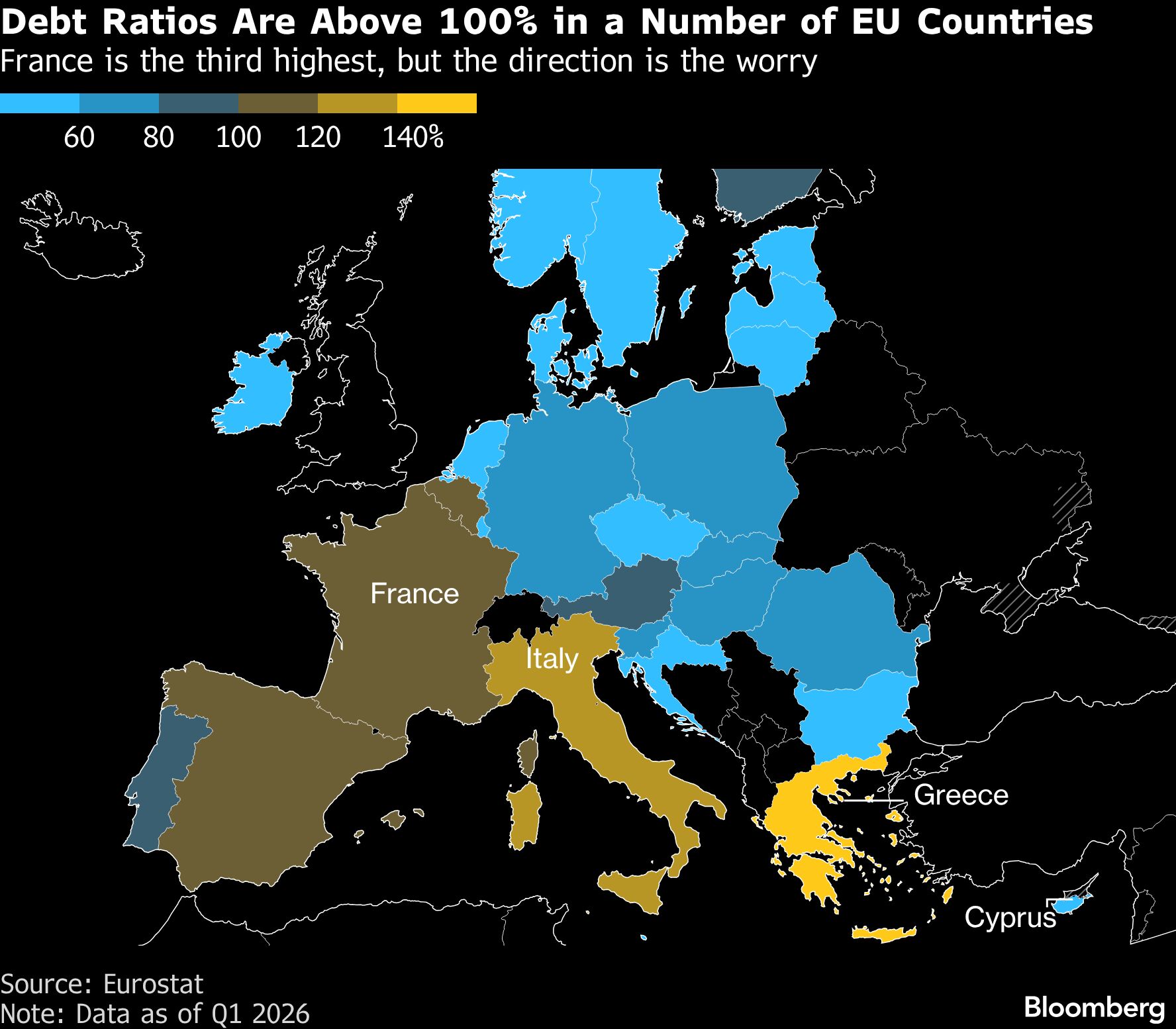
Worries about France's finances, now centered on the haggling over the budget, are set to drag on into the 2027 presidential election and beyond. With no clear idea of the way out, speculation is swirling about where this all ends. For Europe, it's a nightmare scenario. Of particular concern are signs of spillover to other countries' debt, evoking the specter of contagion — a term synonymous with the Greek debt crisis that almost ripped the euro area apart 15 years ago.
Germany will press the European Union to quickly place quotas on additional sectors of goods being imported from China, replicating a cap the bloc is planning to impose on hybrid vehicles. Germany will seek EU safeguard measures to limit the import of goods from additional sectors, including chemicals, mechanical engineering and potentially pharmaceuticals, according to people familiar with the matter.
Topics in this story
Gathered from external sources. Rights to this text belong to whoever originally published it.