Standing with farmers: Why US fertilizer independence matters
Demand shocks in Asia or supply disruptions in the Middle East directly affect American farmers.
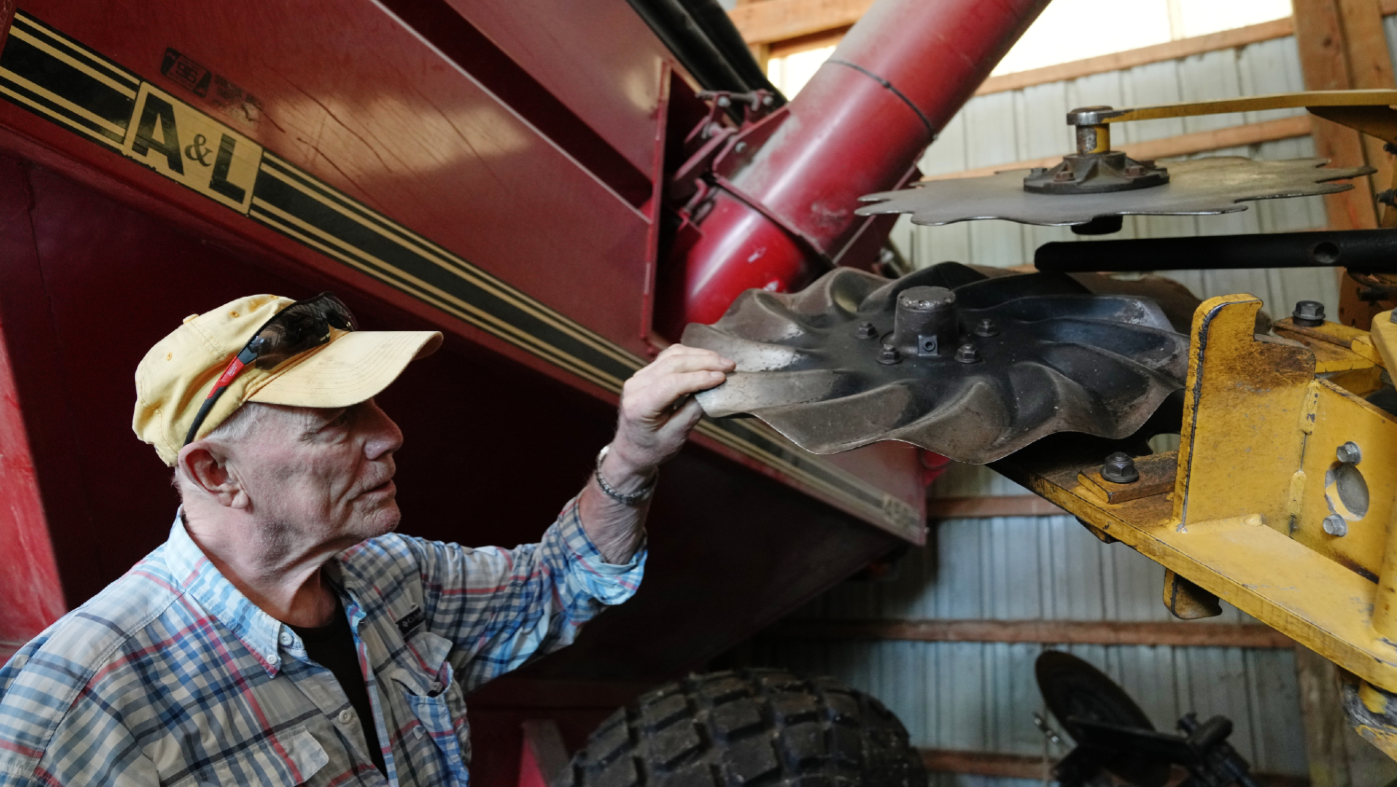
This week, as we celebrate National Farmers Day and Global Fertilizer Day , we should remember a simple truth: Without farmers, there is no fertilizer industry, and without both farmers and the fertilizer industry, there is no reliable source of food. One-half of global food production can be attributed to the use of fertilizer.
Two American industries working together for a common good — even when times are tough.
It’s not an understatement to say that U.S. farmers are facing some of the most difficult economic times in recent history. The latest Department of Agriculture data tell a story farmers already know: Crop producers operated at negative profit margins throughout 2025 and continue to face similar headwinds in 2026 . Interest rates, land rents and input costs remain elevated while commodity receipts have declined for three consecutive years.
The conflict in the Middle East has exposed critical vulnerabilities in the global supply chain and created additional volatility in the global fertilizer market. Damage to fertilizer production facilities and transportation challenges have limited exports from countries that rely on the Strait of Hormuz.
Nearly 50 percent of global exports of sulfur, an important fertilizer, as well as a critical input to phosphate fertilizer production, move through this area. Likewise, between 30 and 50 percent of globally traded nitrogen fertilizer is now unavailable to reach its intended destinations, impacting farmers around the world, including those in the United States.
Regardless of the challenges, the fertilizer industry is deeply committed to supporting America’s farmers, as reflected in the investment decisions individual companies are making in domestic production and in broad support for expanded markets for farm commodities. Without profitable farmers, our industry cannot thrive.
Fertilizer is one of a farmer’s most critical tools to promote plant growth and improve crop yield and productivity, and to ensure farm profitability. When the reliable supply of fertilizers is threatened, the ripple effects are felt in every corner of rural America. For that reason, we believe that a resilient and growing U.S. fertilizer industry is vital to support the American farmer.
Just as U.S. farmers are among the most efficient and innovative in the world, so is the U.S. fertilizer sector. Individual fertilizer producers have publicly announced billions of dollars in new production facilities that help mitigate U.S. agriculture’s exposure to geopolitical disruptions. That’s why the Trump administration’s focus on boosting domestic fertilizer manufacturing is the right policy.
There are more than 100 fertilizer producers globally serving U.S. farmers, and the U.S. is one of only three nations with at least 20 unique companies producing fertilizer products. Still, fertilizer remains a global commodity with 90 percent of consumption occurring outside the United States. The issue is further complicated by the heavy involvement of state-owned entities on the international stage. Demand shocks in Asia or supply disruptions in the Middle East directly affect American farmers.
This reality demands strategic resilience. When geopolitical events disrupt supply corridors, when export restrictions shift commodity flows, when currency swings alter product values overnight, American agriculture should not absorb the full shock of those disruptions. That is why both domestic fertilizer production capacity and global economic stability matter.
Policymakers must understand that fertilizer, food security and agricultural resilience are all interconnected and central to American prosperity. This is not a partisan issue. After all, Republicans and Democrats both depend on American agriculture to put food on their tables.
The path forward requires sound public policy. Farmers, retailers, policymakers and individual companies throughout the fertilizer supply chain each have essential roles. We can build a more resilient foundation by ensuring that policies encourage the expansion of markets for U.S. farm products and create conditions in which individual companies choose to invest in American fertilizer production.
Corey Rosenbusch serves as The Fertilizer Institute’s president and CEO.
Topics in this story
Gathered from external sources. Rights to this text belong to whoever originally published it.