Oil Majors Seek Bigger Bargaining Power in Labor Disputes
Big Oil is taking a tougher stance in labor negotiations, with BP and Marathon using refinery lockouts to push for concessions from unionized workers.
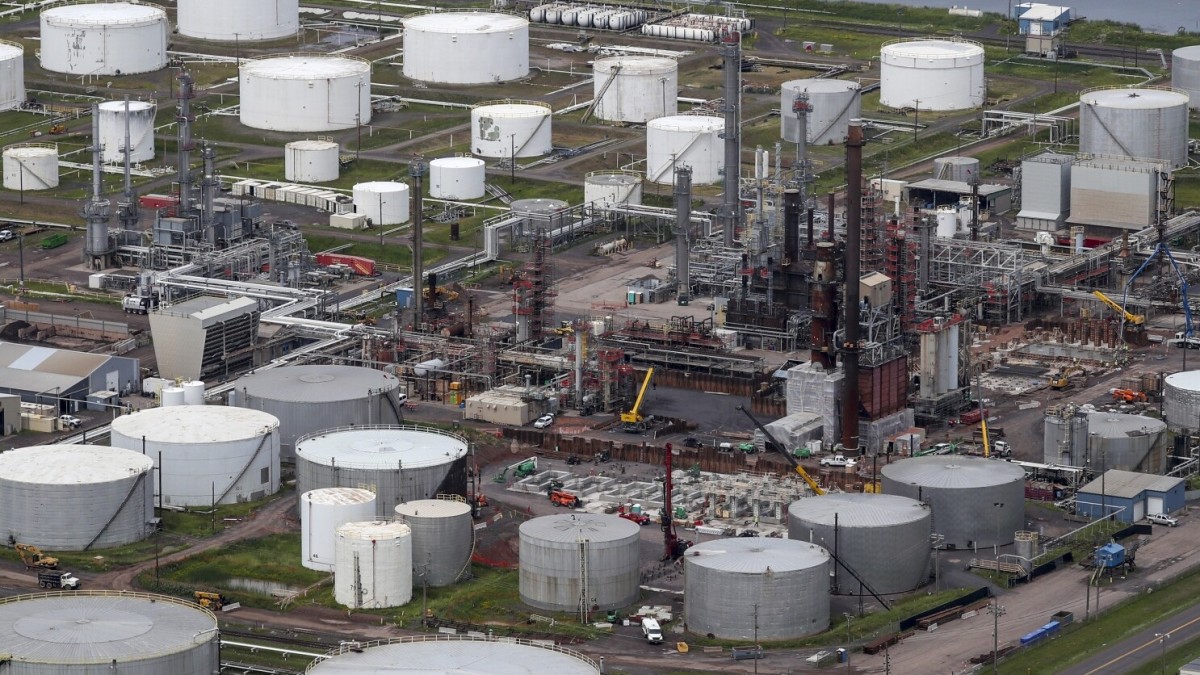
The biggest oil companies in the United States are playing hardball in unionized labor negotiations in a bid to get more concessions from workers' unions in the new contracts.
Over the past few years, some of the top U.S. refining companies have resorted to lockouts to ensure most of the company management's proposals in new labor contracts are accepted.
The trend began earlier this decade with Exxon locking out in 2021 as many as 650 workers out of the Beaumont refinery for 10 months. This was the longest labor dispute at a U.S. refinery in four decades.
Five years later, BP and Marathon are currently in a similar position, locking out workers at their Whiting, Indiana, and Martinez, California, refineries, respectively, amid labor disputes over union contracts.
The refineries continue to operate with contractors, supervisors, and replacement workers. The continued operations show that Big Oil is not as afraid as it used to be to use replacement staff while seeking concessions from the unions.
With this, one of the most powerful bargaining tools of the unions—that skilled unionized labor is essential for operations—is being undermined.
The BP lockout at the Whiting, Indiana, refinery since March 2026 over contract disputes suggests that the biggest oil companies are playing hardball now to have the union accept their proposals.
BP offers an average 13% raise, or over $7 per hour, over four years and has agreed that raises in the last two years of the agreement would match the levels agreed to at the national oil bargaining.
The proposed 13% raise for the first two years is below the national oil bargaining standards.
BP also wants to transfer "some non-core craft line work to our incumbent specialized third-party contractors, just as most of our?competitors already do today."
The supermajor has also proposed a clear waiver of bargaining rights in two proposals—one regarding the use of AI tools and technology and another concerning the use of time clocks.
Eric Schultz, president of United Steelworkers Local 7-1, told Reuters that BP is running "the exact same playbook" as Exxon did in its dispute in 2021.
BP has hired Jordan Marcks, the former Exxon management official who oversaw the Beaumont lockout, as lead negotiator in the Whiting dispute, the union representative said.
Marcks, Head of People Relations Americas at BP North America, wrote this week to the union requesting a representative response about federal mediation.
Topics in this story
Gathered from external sources. Rights to this text belong to whoever originally published it.