Canada excludes seafood from retaliatory tariffs on US goods
The Canadian government late Wednesday exempted seafood and fish products from its retaliatory tariffs on U.S. goods. In a statement, Canada’s Department of Finance said it made the decision in response to “feedback,” noting the removal of seafood and fish from the tariffs will “protect against broader economic harms.” The Canadian levies are set to…
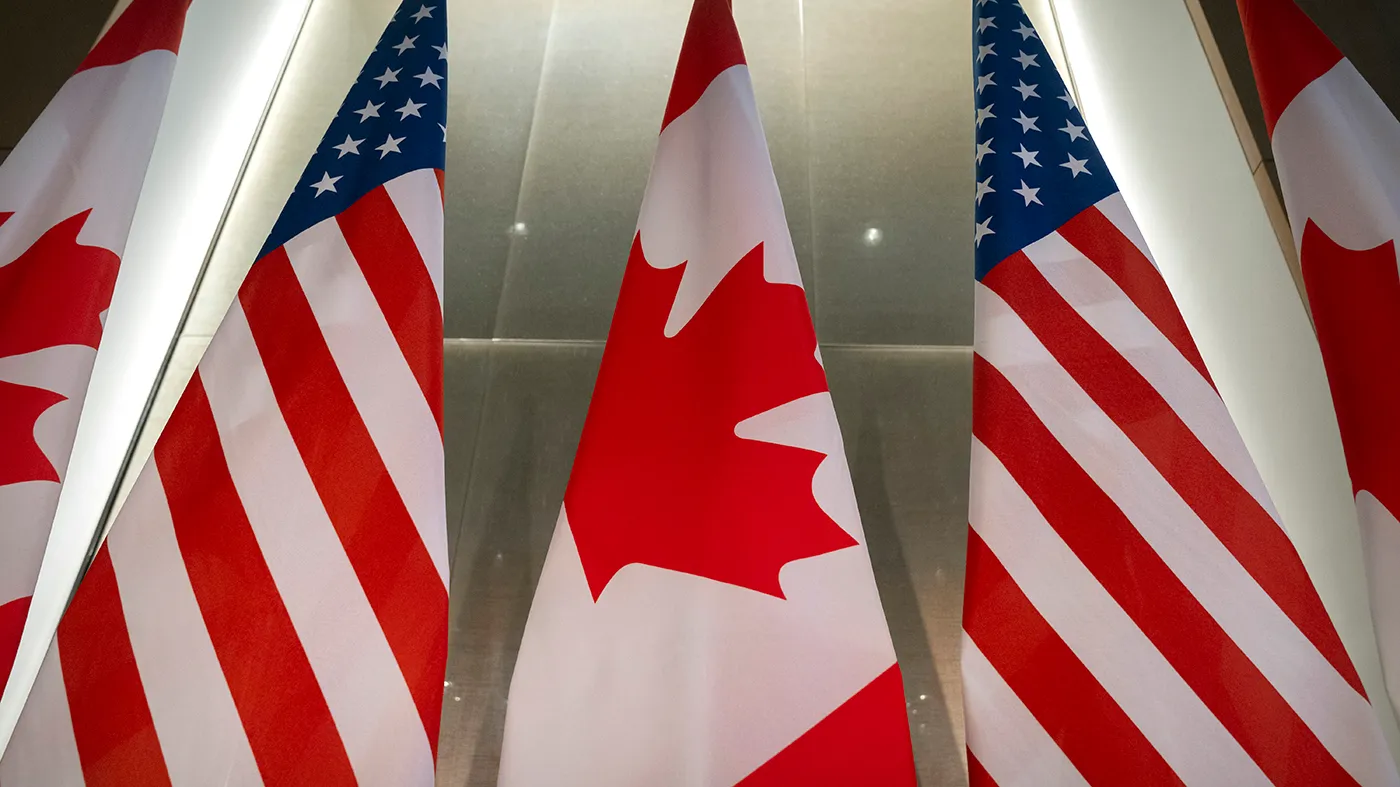
The Canadian government late Wednesday exempted seafood and fish products from its retaliatory tariffs on U.S. goods.
In a statement , Canada’s Department of Finance said it made the decision in response to “feedback,” noting the removal of seafood and fish from the tariffs will “protect against broader economic harms.”
The Canadian levies are set to go into effect on Sept. 8, after President Trump’s 50 percent import taxes on $27.6 billion worth of goods from America’s northern neighbor went into place last Saturday.
Starting the day after Labor Day, the Canadian government will counter-tariff U.S. goods at rates of 15, 25 and 50 percent — with the rate for each product matching the rate imposed by the Trump administration.
The U.S. tariffs apply to Canadian imports such as wine, hockey sticks, cement, natural honey and wallpaper. Canada’s retaliatory levies, meanwhile, will focus on steel, dairy, appliances, agricultural equipment, pulp and paper and electronics, the Department of Finance noted Tuesday .
Canada will also impose 50 percent tariffs on copper wire and wood charcoal, additions the Department of Finance made Wednesday to its list of covered products, Bloomberg reported .
Canadian Finance Minister François-Philippe Champagne told reporters Thursday the department exempted seafood and fish from the tariffs after consultation with the country’s fishery industry, per Bloomberg.
The removal of seafood products also came after the Maine Lobstermen’s Association pushed back on a proposed 25 percent Canadian tariff on U.S.-sourced lobster. The association noted Canadian businesses purchase roughly half of the state’s lobster during the fall fishing season.
Patrice McCarron, the executive director of the association, applauded the Canadian government’s removal of the 25 percent tariff on lobster.
“Keeping seafood tariff-free protects our shared supply chain and avoids unnecessary economic harm on both sides of the border,” McCarron said in a Thursday release . “We appreciate Canada’s decision to listen to the concerns raised by the seafood industry and remove seafood from these tariffs.
“We urge both governments to continue protecting the longstanding tariff-free trade in lobster that benefits fishermen, businesses and coastal communities throughout North America.”
Maine Sen. Susan Collins (R) also approved of the reversal by Canada, writing on the social platform X , “I very much appreciate Canada’s decision to remove seafood and fish products from its retaliatory tariff list.”
Collins added, “These tariffs would have caused tremendous harm to Maine’s lobstermen, disrupting one of their most important markets during the fall fishing season.”
The Maine Republican, locked in a tough reelection battle against Democrat Troy Jackson, also said the Trump administration should “respond to this show of good faith from our Canadian friends by returning to the negotiating table” and resolving the trade war.
Topics in this story
Gathered from external sources. Rights to this text belong to whoever originally published it.