Federal employees were paid nearly $7B not to work under DOGE effort: GAO
The Trump administration paid outgoing employees an estimated nearly $7 billion to not work as it encouraged them to leave the federal service, a government watchdog found in a Tuesday report. Federal workers’ use of paid leave increased 435 percent under the first two years of the Trump administration, a dynamic the Government Accountability Office…
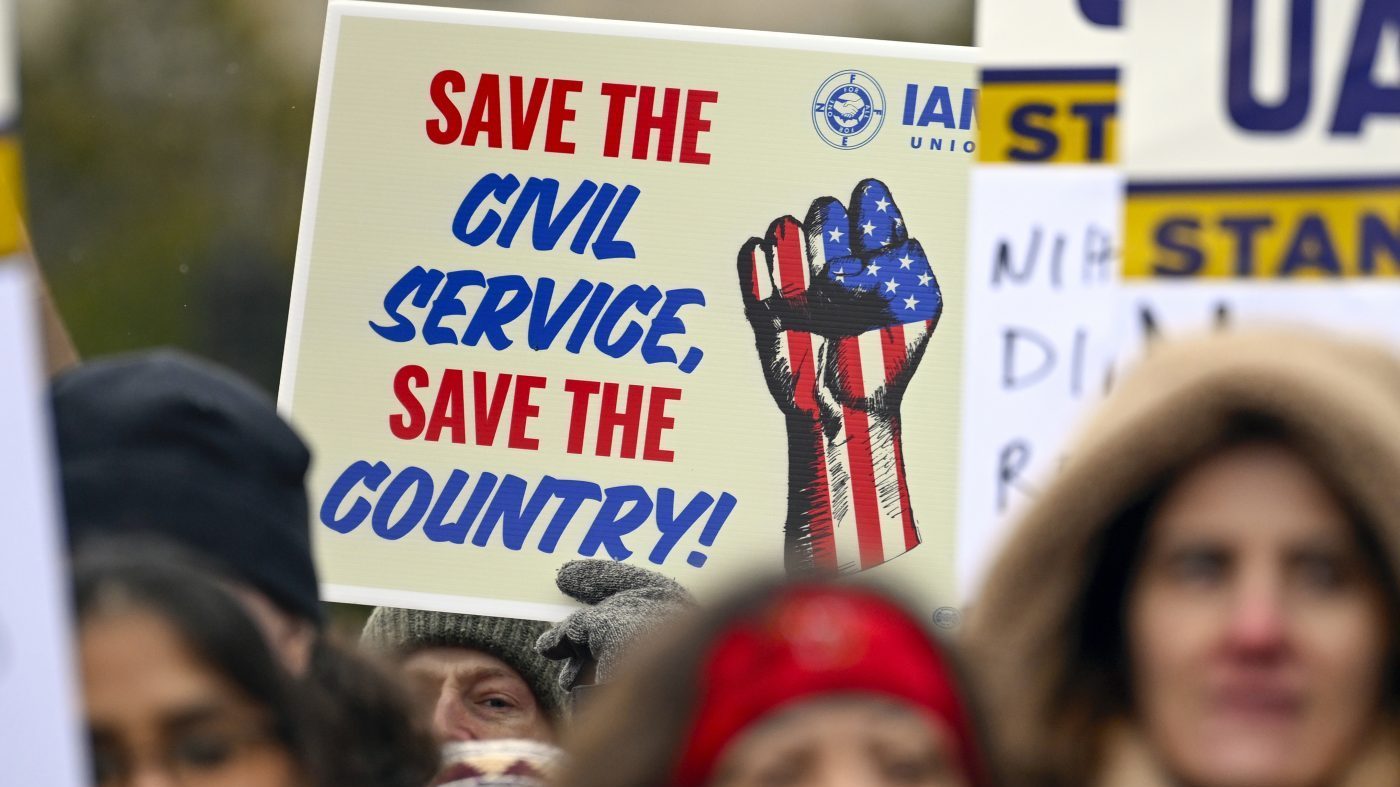
The Trump administration paid outgoing employees an estimated nearly $7 billion to not work as it encouraged them to leave the federal service, a government watchdog found in a Tuesday report.
Federal workers’ use of paid leave increased 435 percent under the first two years of the Trump administration, a dynamic the Government Accountability Office (GAO) attributed to the deferred resignation program that paid the salary of workers for the rest of the fiscal year if they accepted a buyout.
Modeled after a plan used by onetime White House adviser Elon Musk after he purchased the social platform X — formerly Twitter — the program told federal workers they were at a fork in the road and offered to continue their pay for several months while they looked for other jobs. Those who remained were warned they could be laid off at a later date.
GAO estimates that 144,312 federal workers used the deferred resignation program , and while the government spent $9.5 billion on leave, the watchdog estimated $6.7 billion of that was to pay for those who accepted the deferred resignation.
The study shows remarkable jumps in every metric used to assess paid leave. Salary costs attributable to paid leave jumped sixfold between 2023 and 2025.
“The number of workdays of paid administrative leave reported increased from about 4 million workdays and 4.4 million workdays in calendar years 2023 and 2024, respectively, to about 21.6 million workdays in 2025,” the report states.
And while in 2023 and 2024 just 600 federal workers across the whole government took more than three months of paid leave, in 2025 that number jumped to almost 100,000.
After Musk’s exit, the now-ended Department of Government Efficiency (DOGE) faced intense scrutiny over the effectiveness of its efforts.
As of January, the federal workforce has shrunk 12 percent under President Trump, but GAO’s report found considerable costs associated with the exit push.
Numerous reports have found DOGE consistently overestimated the amount of its cost-cutting efforts.
An August report from GAO found the agency’s “ wall of receipts ” took credit for cost-saving measures already in the works when it was created, and that “DOGE did not provide sufficient information to verify the method used to calculate 96 percent of DOGE-reported savings.”
Topics in this story
Gathered from external sources. Rights to this text belong to whoever originally published it.