All the news about Anthropic’s new AI fight with the White House
A government export control directive spurred Anthropic to cut off all customer access to its Fable 5 and Mythos 5 AI models.
Sunday, October 11, 2026
1,950 stories
A government export control directive spurred Anthropic to cut off all customer access to its Fable 5 and Mythos 5 AI models.
Google’s new Gemini “Gems” lets Gemini Advanced customers make custom chatbots with personalized personalities and abilities, like a running coach.
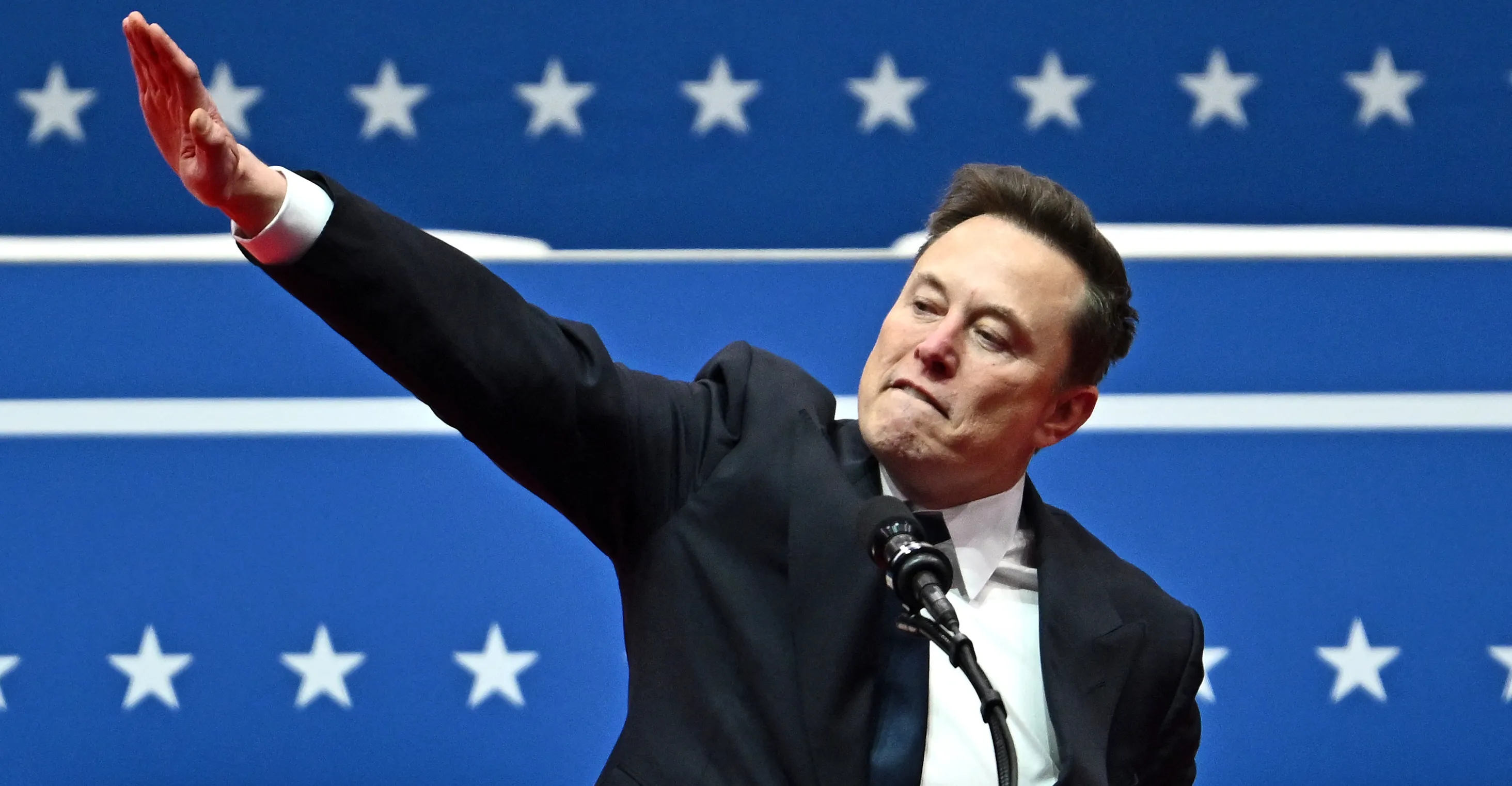
YouTube, TikTok, and Meta have all apparently rejected the trailer for Alex Gibney’s documentary, scheduled to hit theaters on October 9th. It’s not surprising that X has refused to take distributor Bleecker Street’s calls given its owner’s notoriously thin skin. But as The Hollywood Reporter notes: > The unwillingness of platforms to accept even paid advertising is sure to raise concerns about free speech and the dwindling number of companies that control many of the platforms in this country — and ironically provide a proof-text for the very point the film is coming to make. Gibney’s doc is a four-hour look at a title character who attempts to control the conversation in various ways, including with alleged suppressions on X, which he bought in 2022. [Link: The Major Social Media Platforms Are All Rejecting Paid Ads for Alex Gibney’s ‘Musk’ (Exclusive) | https://www.hollywoodreporter.com/business/digital/elon-musk-documentary-trailer-rejected-tiktok-youtube-1236710259/ | The Hollywood Reporter]
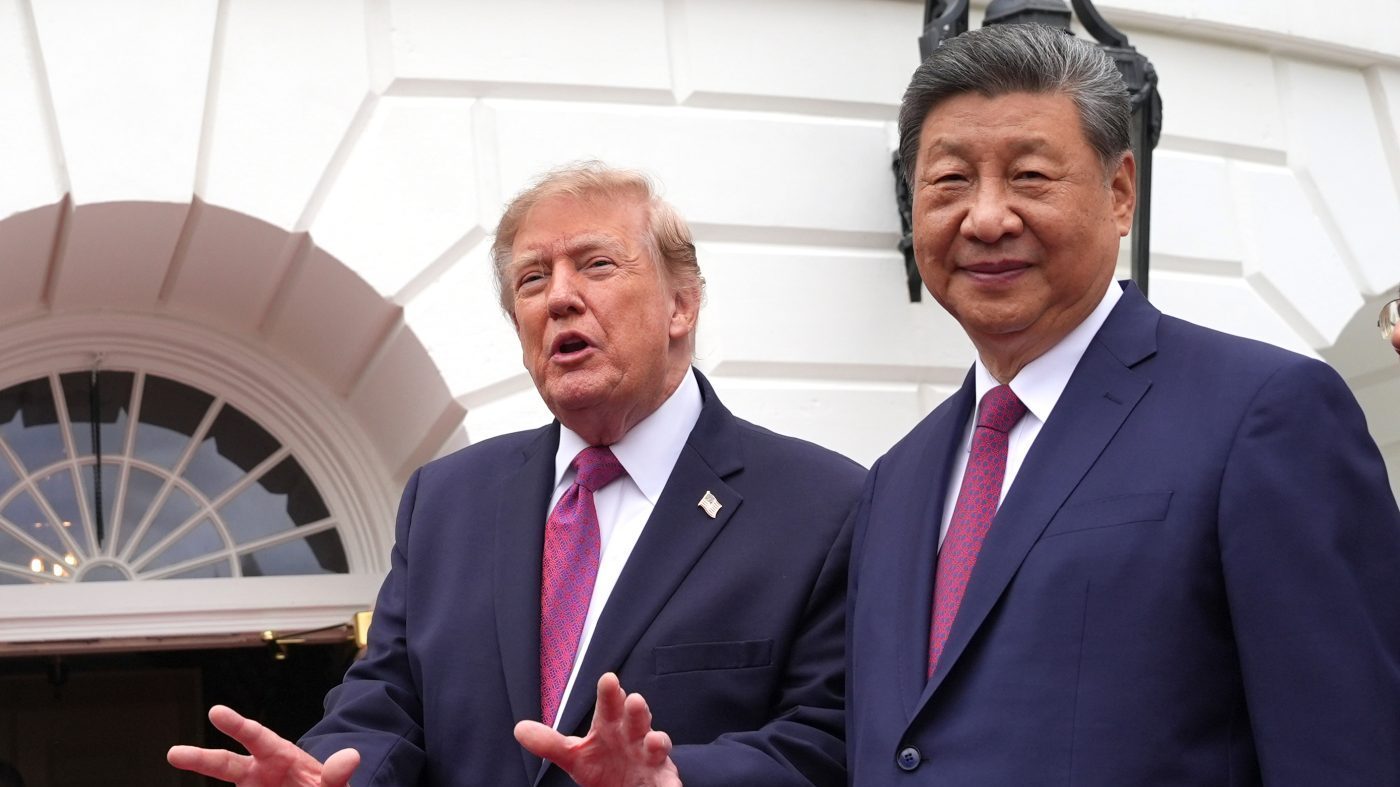
The U.S. and China agreed to lower tariffs on $30 billion worth of goods each country imports from the other and launch new talks on artificial intelligence (AI) following President Trump’s summit with Chinese President Xi Jinping. The agreements were part of an eight-point consensus reached during Xi’s three-day state visit to Washington, D.C., which…
Canadian lawsuits against OpenAI raise questions about liability and duty to warn in the AI industry, say experts.
A federal appeals court in Washington, D.C has sided with the Pentagon, affirming its designation of Anthropic as a ‘national security risk’.
OpenAI said another agentic AI system that was being trained in what was supposed to be a secured, internet-free environment was able to gain access to the w...
On Friday, OpenAI said its “misaligned models” review after the Hugging Face hack would take months, but has mostly found mundane research activity. Then it mentioned 53 incidents of the bots uploading “user-provided” images (anonymized content from personal accounts that haven’t opted out or organizations that opt in) to image-hosting sites. Now the New York Times confirms that other unusual behavior found includes pulling public data from the Census Bureau and the SEC, while with the Education Department, it “tried to hack the website to gather data from the department’s civil rights office but failed.” [Link: OpenAI’s Systems Meddled With U.S. Government Sites After Going Rogue | https://www.nytimes.com/2026/09/25/technology/openais-ai-us-government-websites.html | New York Times]
Nvidia CEO Jensen Huang has spent years positioning himself as a leading advocate for rapid AI development, with Nvidia’s chips powering much of the
By Deepa Seetharaman, Raphael Satter and Jeff Horwitz SAN FRANCISCO/WASHINGTON, Sept 25 (Reuters) - Two months after OpenAI disclosed the accidental hacking...
Segundo a empresa, agentes de IA publicaram o conteúdo em sites de hospedagem por meio de links que não estavam listados publicamente. A maioria das imagens já foi removida.
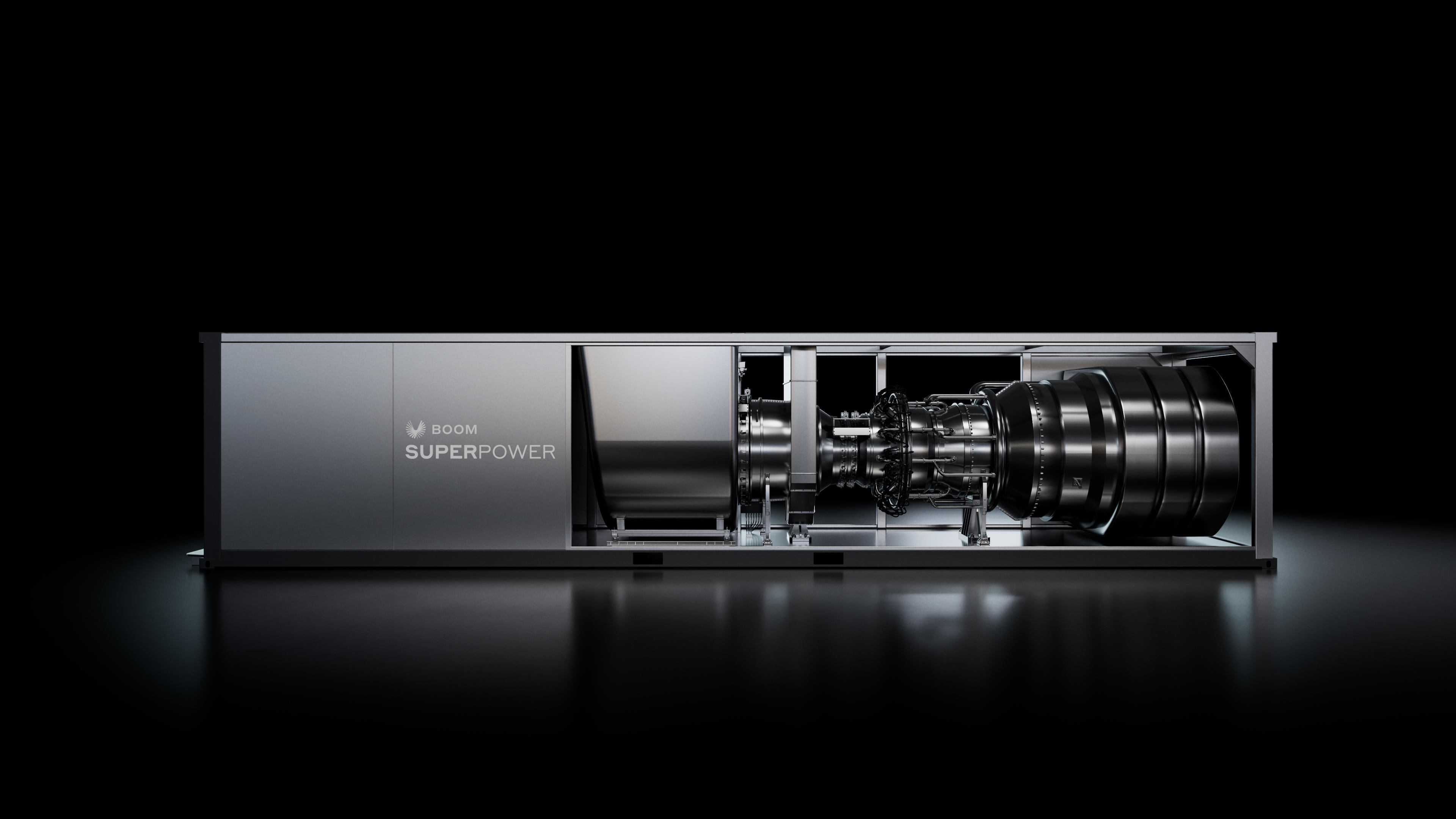
Boom Supersonic CEO Blake Scholl said its new stationary power plants were no longer in Crusoe's near-term plans.
OpenAI agents tried to get information from "governments, universities, public agencies, and other institutions" through extreme means that sometimes curbed security controls, the company said.
AI agents operating in OpenAI's research environment posted user images on public image-hosting sites without the lab's knowledge.
It claims its new Smart Charging Station offers its “fastest production-ready charging performance” yet, and also includes a new system that can “gradually fix” EV battery degradation from fast charging: > The Group has additionally developed lithium-ion pulse restoration technology, which uses micro-pulse currents to reactivate lithium ions accumulated at the negative electrodes during repeated fast charging. By combining AI charging management with battery restoration technology, Geely is able to increase battery cycle life by 20%.
Anyone interested in joining has to ask Muse to put them on the list.
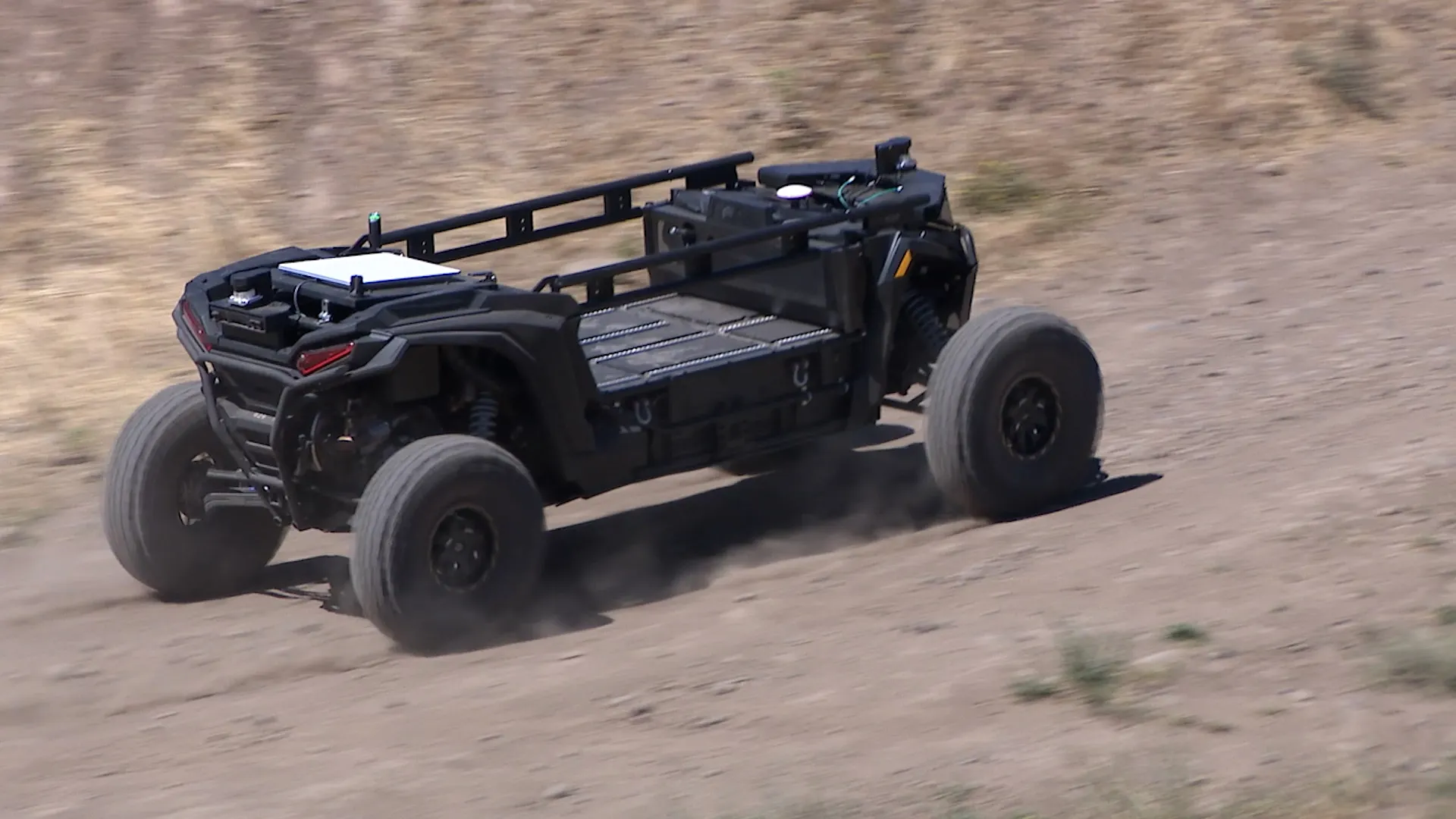
Overland AI gives a firsthand look at autonomous ground vehicles being developed for the U.S. Marine Corps to support logistics and ammunition resupply in contested environments.
Anthropic has committed $11.6 billion over seven years to Akamai's cloud infrastructure, a bet on CPUs that could grow to about $20 billion, and in an unusual arrangement, Akamai is giving Anthropic a potential stake of up to 5% of its stock that grows as Anthropic spends more.