US, China agree to cut tariffs on $30 billion worth of goods, set up channel for AI incidents
The U.S. and China agreed to lower tariffs on $30 billion worth of goods each country imports from the other and launch new talks on artificial intelligence (AI) following President Trump’s summit with Chinese President Xi Jinping. The agreements were part of an eight-point consensus reached during Xi’s three-day state visit to Washington, D.C., which…
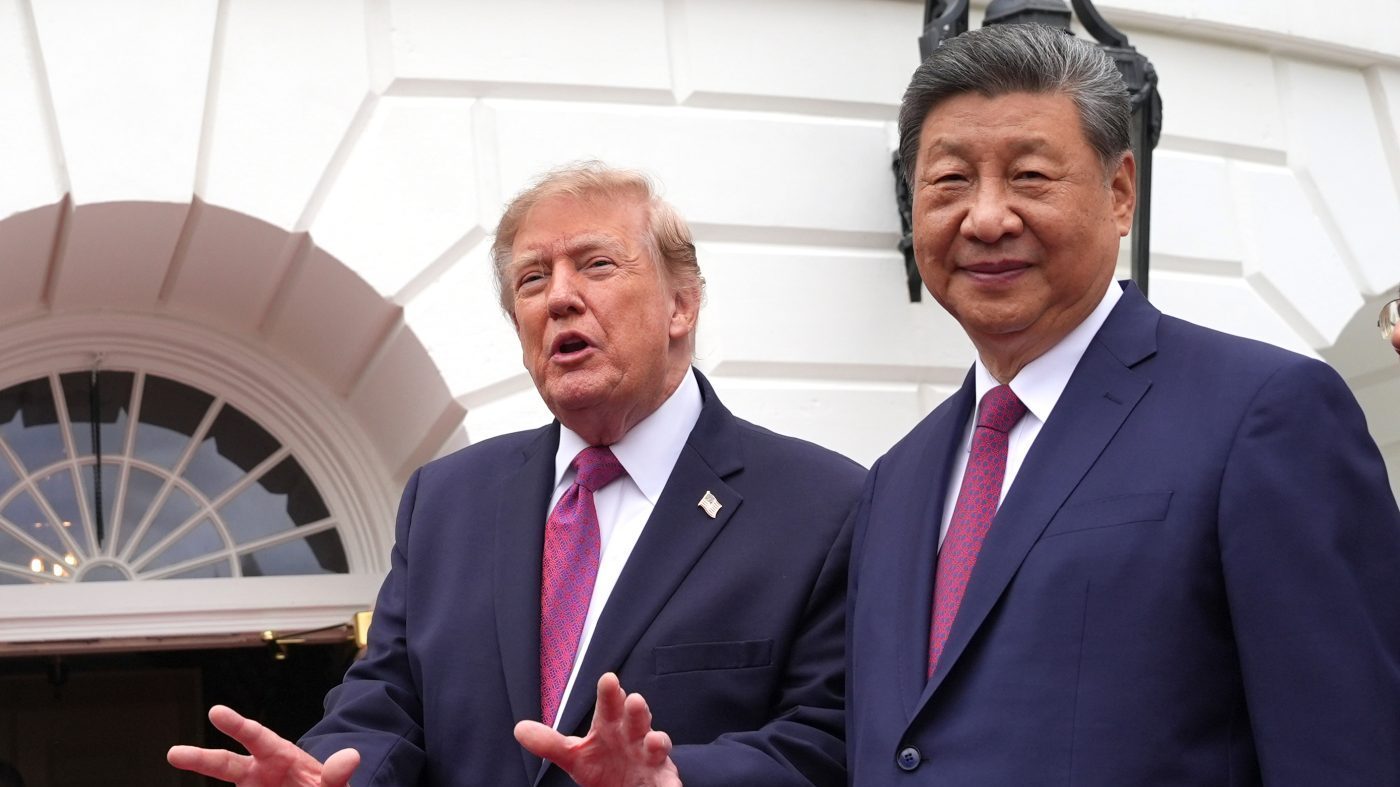
The U.S. and China agreed to lower tariffs on $30 billion worth of goods each country imports from the other and launch new talks on artificial intelligence (AI) following President Trump’s summit with Chinese President Xi Jinping.
The agreements were part of an eight-point consensus reached during Xi’s three-day state visit to Washington, D.C., which ended Friday.
Under the trade agreement, the two countries will reduce tariffs on products considered “noncritical,” including agricultural and energy-related goods.
Treasury Secretary Scott Bessent said earlier this week that he and U.S. Trade Representative Jamieson Greer had been in New York discussing lowering those tariffs to “most favored nation levels.”
The proposal was first floated during Trump’s May summit with Xi in Beijing and was still under negotiation in the days leading up to this week’s meetings.
The move comes after Bessent’s announcement Wednesday that Washington and Beijing would extend their broader trade truce by two months, from Nov. 10 to Jan. 10, giving officials more time to negotiate.
The U.S. and China also agreed to establish a channel for handling AI-related incidents and hold talks on the rapidly developing technology’s risks and benefits. The first AI-specific talk is scheduled for November.
Trump responded to rising pressure to address AI concerns and demands to impose safeguards by creating an “AI Force,” despite labeling the broader concerns a “hoax.” He also said he would be naming an “AI czar,” but ruled out Bessent from consideration amid speculation that he may be appointed to the role.
Trump had signaled ahead of his talks with Xi that AI — which he has referred to as “super intelligence” — would be a major topic during the summit.
The final part of the U.S.-China agreement was to strengthen military crisis communications. The two countries planned to sign a memorandum of understanding aimed at preventing confrontations between their armed forces.
Xi returned to Beijing on Saturday, according to Chinese state media.
Topics in this story
Gathered from external sources. Rights to this text belong to whoever originally published it.