US strikes IRGC targets in Iran in response to attacks on American forces
The U.S. military struck Islamic Revolutionary Guard Corps (IRGC) targets inside Iran on Tuesday following Tehran’s attacks on U.S. military assets in the region, the U.S. Central Command (Centcom) announced. The fresh round of strikes, which began at noon, came after the IRGC fired one-way attack drones and missiles at the King Hussein and Azraq…
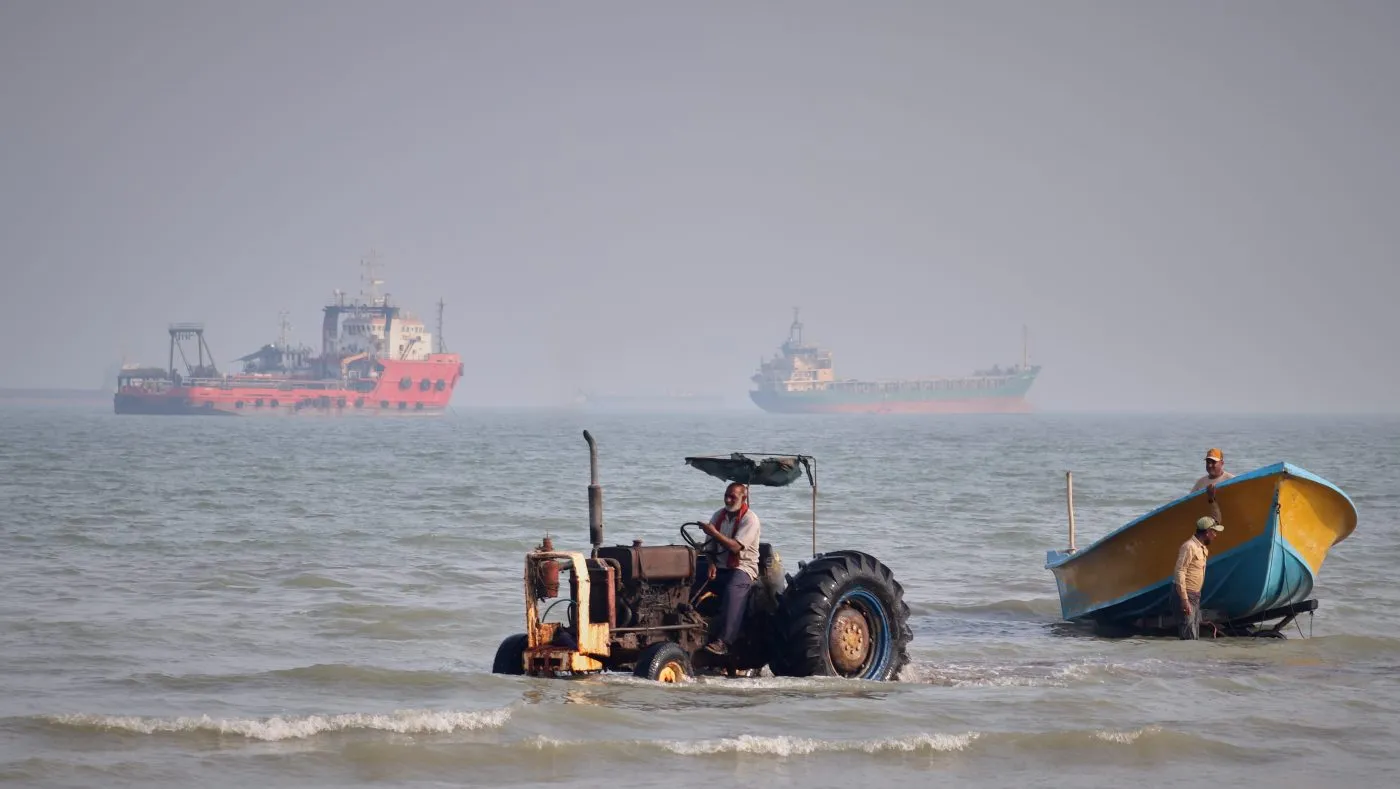
The U.S. military struck Islamic Revolutionary Guard Corps (IRGC) targets inside Iran on Tuesday following Tehran’s attacks on U.S. military assets in the region, the U.S. Central Command (Centcom) announced.
The fresh round of strikes, which began at noon, came after the IRGC fired one-way attack drones and missiles at the King Hussein and Azraq military bases in Jordan on Monday.
The IRGC also targeted Centcom forces and helicopters at Al Minhad Air Base in the United Arab Emirates, according to Iranian media.
“The strikes follow recent attempted attacks by the IRGC against commercial shipping in the Strait of Hormuz and against American service members deployed to the region,” Centcom posted on social media .
The renewed military operations in recent days follow a tense, unofficial monthlong pause in strikes.
President Trump, in a Truth Social post Tuesday afternoon, warned Iran against further escalation and said the U.S. strikes are “retaliation” for Iran’s “failed attempt” to deploy sea mines in the Strait of Hormuz and for the attacks against U.S. bases in Jordan.
“If the failed Nation of Iran retaliates for this very justified attack, they will be hit again at a much harder and higher level,” Trump said.
He further warned that the U.S. was holding back a larger military attack, that is “waiting in the wings and, when it is over, there will be very little left of the Islamic Republic of Iran!”
As the war passes its six-month mark, Trump is confronting Iran’s resistance to capitulation in the face of U.S. military power and little to no progress in talks to get Tehran to give up its nuclear program and release its hold on the Strait of Hormuz. Iran’s effective chokehold on the strait has blocked global oil and gas exports, and contributed to higher energy prices across the world.
The U.S. has imposed a naval blockade against Iranian oil exports in the strait and has tried to secretly ferry stranded tankers through the waterway and clear Iranian mines along the shipping routes.
The U.S. military had redirected 84 commercial ships, disabled three and boarded another two since resuming the blockade in July, Centcom announced in an update on Tuesday.
In rare conciliatory remarks, Iranian President Masoud Pezeshkian on Tuesday said Iran was prepared to return to a memorandum of understanding (MOU) signed in June with the U.S. if Trump returns to commitments in the document. Pezeshkian was speaking at the Shanghai Cooperation Organization summit in Kyrgyzstan, The Associated Press reported, citing Iranian state media.
The MOU fell apart as Iran pointed to text in the document that it believed gave them control over the Strait of Hormuz and that the U.S. contested.
Pezeshkian’s statements came as Treasury Secretary Scott Bessent warned of increasing economic pressure against Iran under the so-called Operation Economic Outcast.
Bessent issued a global threat to “economically asphyxiate” the Iranian regime, saying Tehran would only return to the MOU and talks with the U.S. under severe financial pressure.
“We are tracking down the IRGC’s assets … We know where in the British Virgin Islands your accounts are, at these trust companies, we know the $100 million houses you have around the world, we’re going to freeze those.”
Topics in this story
Gathered from external sources. Rights to this text belong to whoever originally published it.