What a Fed Rate Hike Actually Means for the US Economy and Inflation
Federal Reserve officials have signaled they're prepared to raise interest rates if inflation doesn't improve soon, but they may find their main policy tool...
(Bloomberg) -- Federal Reserve officials have signaled they're prepared to raise interest rates if inflation doesn't improve soon, but they may find their main policy tool will do little to restrain some of the forces pushing up prices now.
The consumer price index report due Friday is poised to determine whether policymakers will lift rates next week, with officials emphasizing they need reassurance underlying inflation is on track to reach the Fed's 2% goal. Investors are pricing in about 60% odds of a rate hike at the Sept. 15-16 gathering, according to futures contracts.
"The key drivers of above-trend inflation are the Iran war, tariffs, and the chip shortage. If the Fed hikes one to two times, that is unlikely to change the backdrop one way or the other," said Stephanie Roth, chief economist at Wolfe Research.
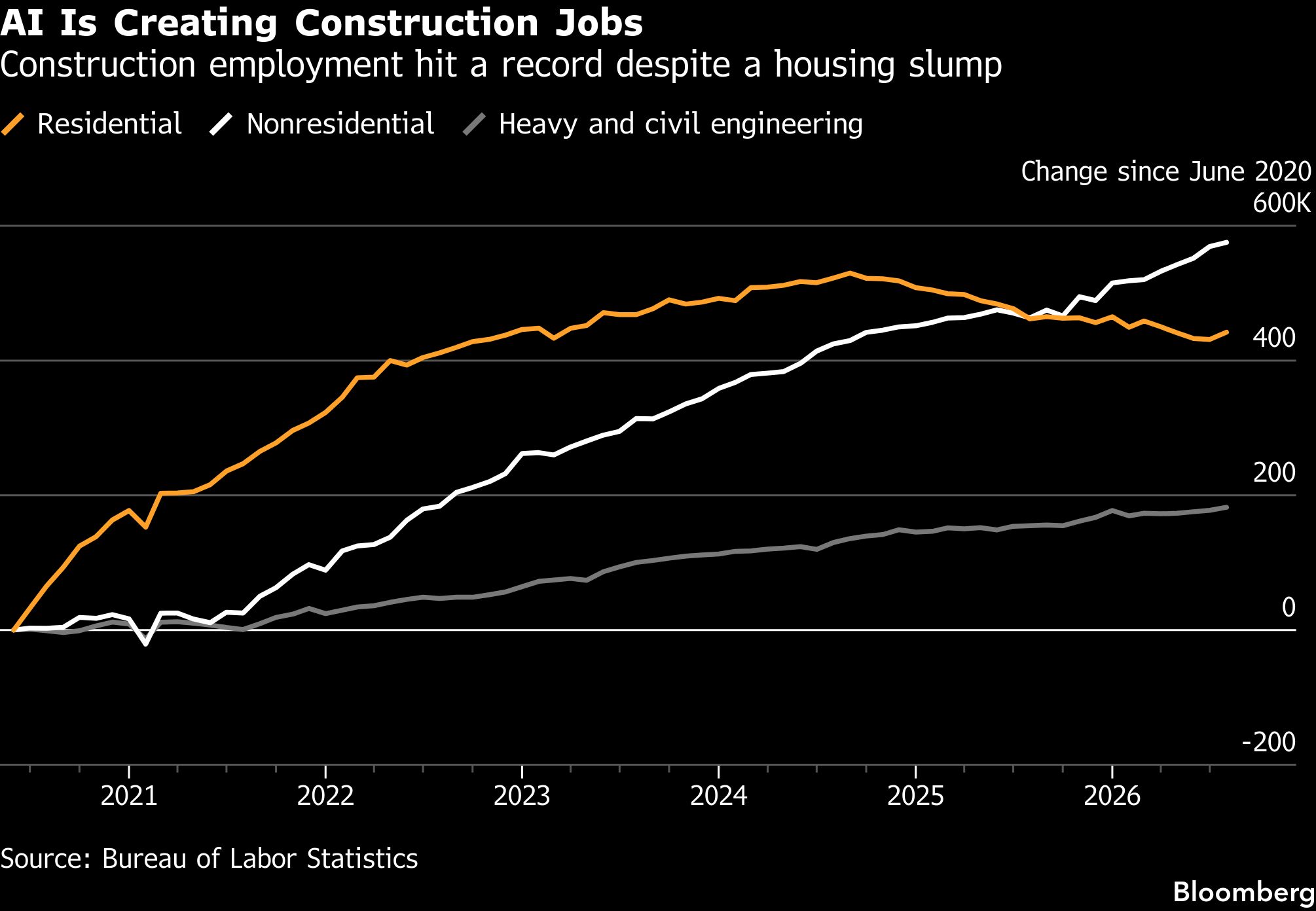
Two big drivers of inflation this year — tariffs and energy prices — tend not to be especially rate sensitive. A third, the AI buildout, doesn't appear to be either given the billions of dollars in investment flowing into the space. Meantime, worries about persistent inflation and ballooning government debt have already pushed borrowing costs higher for American households.
The CPI report for August is expected to show that headline inflation rose 0.4% and core inflation rose 0.2% from the prior month, according to the median forecast in a Bloomberg survey of economists.
Fed officials have been sending mixed signals ahead of the data, with some saying it is time to raise rates while others are hopeful price pressures are abating.
Here's a look at the sources of inflation and what a rate hike would mean for the broader economy.
Central banks typically raise interest rates to increase borrowing costs, reduce overall demand and restrain inflation. But higher rates aren't well equipped to address the series of recent supply shocks that have raised prices and reignited inflationary pressures.
The start of the Iran war in February sent global oil prices above $100 a barrel, raising fuel costs and sending headline inflation higher. Elevated energy prices are one reason the overall August CPI is expected to pickup from a month earlier.
Topics in this story
Gathered from external sources. Rights to this text belong to whoever originally published it.