New Fed Chair Kevin Warsh Sparked a "Credibility Shock" on Wall Street After His Latest Rate Decision. 3 Reasons Investors Should Care
Will Warsh be able to prove that the fight against inflation is actually going to be fought again?
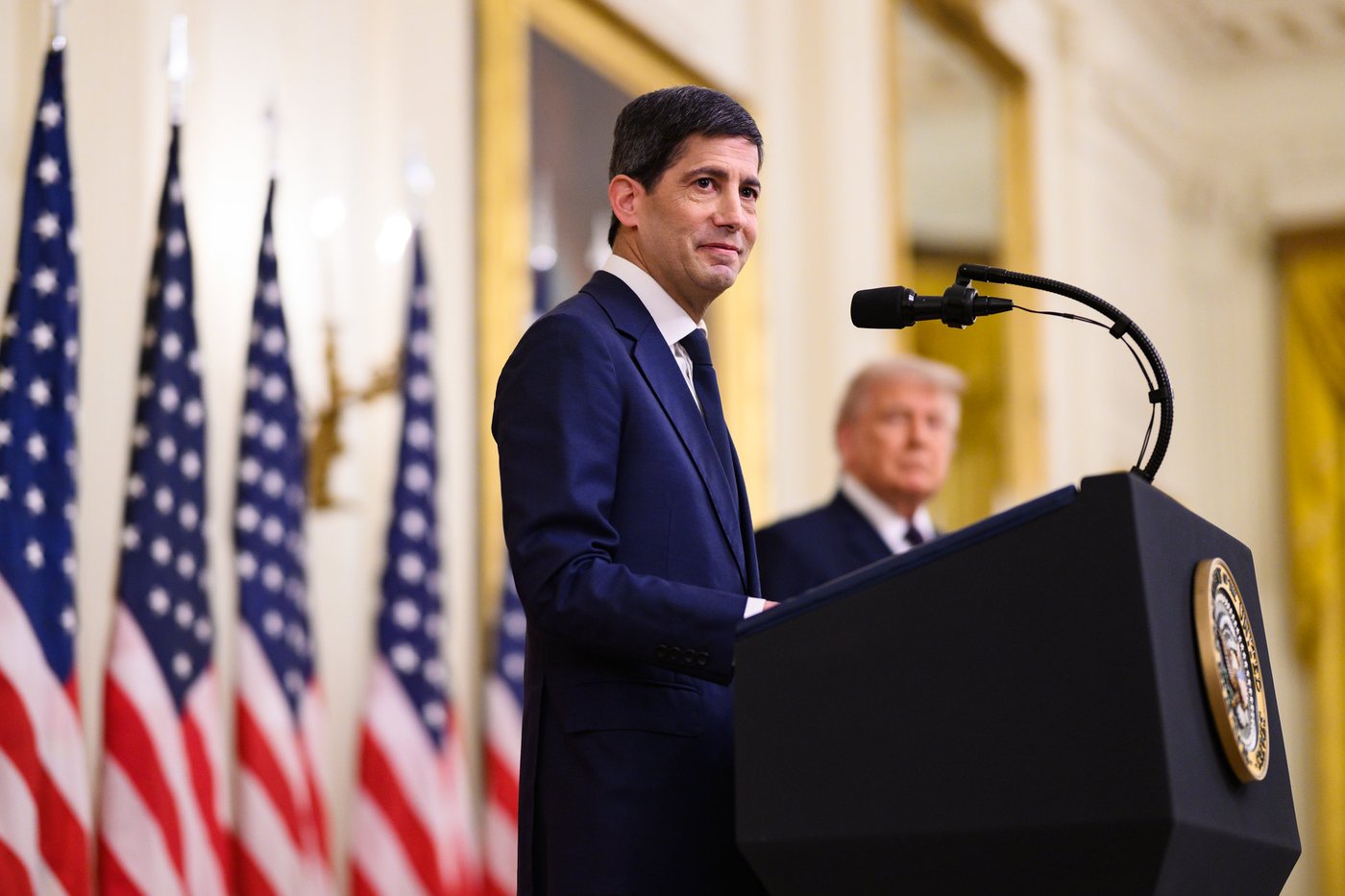
The new chair of the Federal Reserve, Kevin Warsh, is having trouble getting the market to believe that he's serious about tamping down on inflation. The U.S. economy team at Bank of America said that the tepid response to his July 29 press conference was "a central bank inflation credibility shock." The S&P 500 (SNPINDEX: ^GSPC) rose 5.5% from that date through Sept. 8, but the credibility question is being priced in the bond market rather than in stocks.
The Fed had held rates steady, and Warsh refused to specify exactly what would make him vote to raise them, leading some to speculate that he might not be willing to raise them at all. Then, during a keynote speech at Jackson Hole on Aug. 28, he called the Fed's 2% inflation target "firm" and "fixed," while also admitting that inflation was running much higher than that -- a hawkish signal delivered from someone who has resolved to give the market fewer signals in advance of policy decisions.
Missed Nvidia in 2009? This Rare Signal Is Flashing Again. In 2009, a "Double Down" signal flashed for a little-known chipmaker called Nvidia. For the first time in years, that same "Total Conviction" signal is flashing for a company 1/100th the size of Nvidia. Continue »
The Fed's next decision will be announced on Sept. 16. A lot could change depending on what happens next, and there are three things in particular that investors should care about here.
At least one inflation hedge looks cheap right now
The first reason to care what the Fed is about to do is that the standard inflation hedge asset, gold, is not particularly expensive, and it may be favorable to buy a little extra while it's relatively cheap.
The SPDR Gold Shares (NYSEMKT: GLD), an exchange-traded fund (ETF) that is backed by spot gold , closed 18% below its Jan. 29 all-time high on Sept. 8. If Warsh fails to regain the market's belief in the Fed's resolve in the fight against inflation, expect the price of gold to rise further.
The second reason to pay attention here is that the bond market, and thus long-term borrowing costs, are already behaving as if inflation is going to continue to run higher.
The interest rates on debt that most investors care about, like mortgages and corporate debt, are trending substantially higher than the federal funds rate. The average 30-year fixed mortgage rate reached 6.7% on Sept. 3, 2026, up from 6.5% a year earlier, according to Freddie Mac .
This means that the markets for those types of debt do not believe that inflation is coming down soon.
Topics in this story
Gathered from external sources. Rights to this text belong to whoever originally published it.