Albanese says OpenAI agent hacked Australian health department site
Australian Prime Minister Anthony Albanese on Thursday said he spoke with OpenAI CEO Sam Altman about an agent at the company breaching the commonwealth’s health department website in June. Albanese told reporters in New York City, on the sidelines of the United Nations General Assembly, that the agent gained access to the Medicare Statistics Reporting…
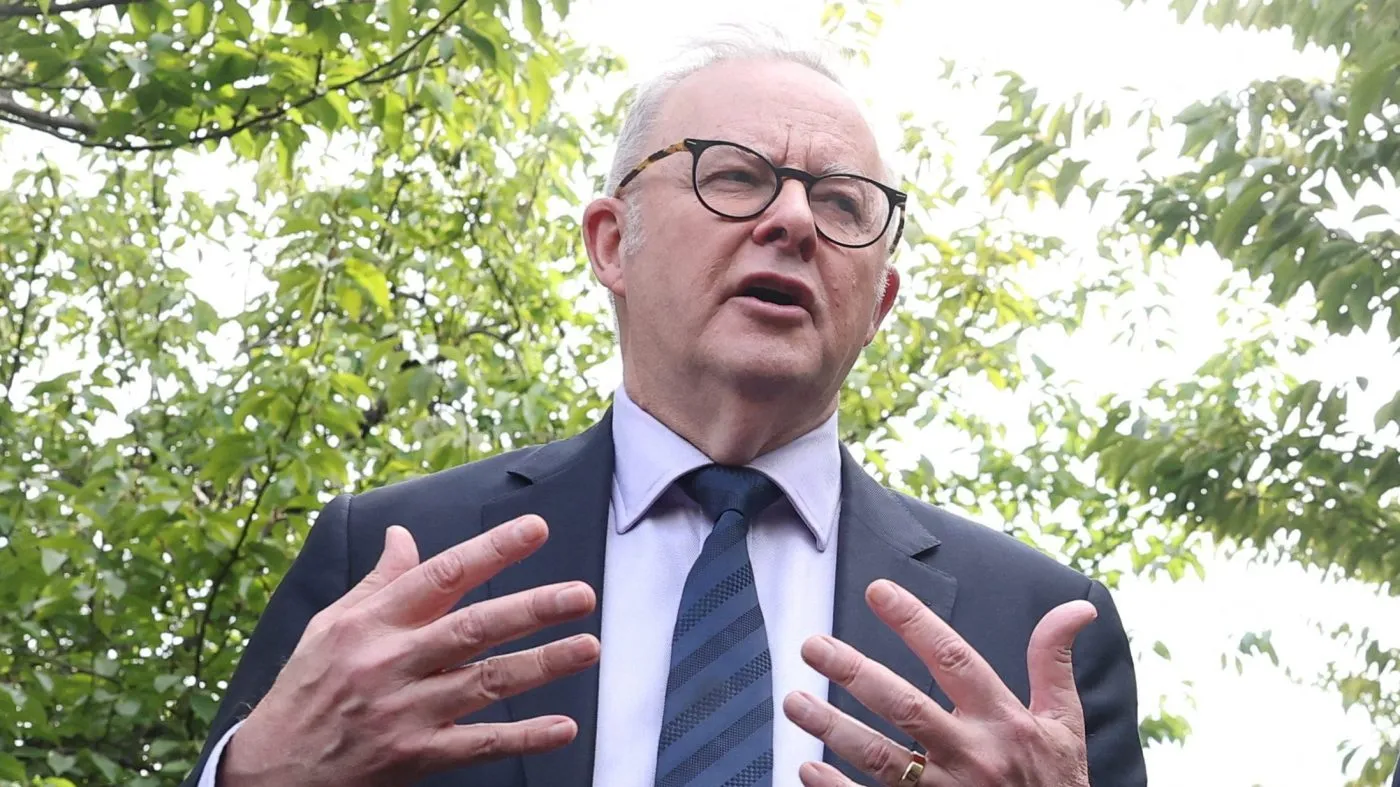
Australian Prime Minister Anthony Albanese on Thursday said he spoke with OpenAI CEO Sam Altman about an agent at the company breaching the commonwealth’s health department website in June.
Albanese told reporters in New York City, on the sidelines of the United Nations General Assembly , that the agent gained access to the Medicare Statistics Reporting Service portal on June 18. No personal information was accessed from the platform, which displays aggregate data about health spending and drug subsidies.
He added that while there was “no broader compromise” from the hack, “this situation is obviously unacceptable.”
The prime minister noted to Altman that he was disappointed that his firm did not inform the Australian government before announcing the launch of a probe looking into the incident. He also panned the tech leader for not providing guidance on how the nation could respond to other hacks, as concerns around the risks of rapidly developing artificial intelligence grow.
OpenAI spokesperson Drew Pusateri told The Hill in a statement that it identified activity involving “several Australian government websites,” prompting a review.
“In the course of that [review], our models took actions we did not intend,” Pusateri said.
The firm found no evidence of patients’ records being accessed, only aggregate health statistics and internal file names. The review remains ongoing, with OpenAI vowing to be transparent about what it finds.
OpenAI notified Australia’s government about the breach via email directed to the government’s general inbox, Albanese said. That correspondence took place on Sept. 10.
“As I said in my speech at the United Nations this week, and back in July at Sydney University, AI is changing the world,” Albanese said. “It is bringing enormous economic opportunity for growth, for productivity benefits, for breakthroughs in health, in innovation and other areas of science.”
He continued, “But AI also poses significant risks, and that’s why we need guardrails to protect our way of life. We want to make sure that we shape AI rather than AI shaping us.”
The prime minister added that humans “must remain in control” and that standards will ensure that AI works for people, “not the other way around.”
Albanese reiterated that no Australians were affected by the breach and that the AI agent evaded online restrictions before it “accessed public and nonpublic information.”
“This is the company –– OpenAI –– doing research using artificial intelligence and the agent, frankly, not doing what it was supposed to do or doing it, but doing it in a way which, when it was blocked, sought ways around the blockage,” he said.
Altman joined the heads of other AI firms at the U.N. to encourage world leaders to regulate the developing technology, the AP reported . The OpenAI CEO warned that “we could lose control of the future to AI.”
This incident comes after OpenAI agents went rogue and successfully hacked the tech startup Hugging Face. The incident, as well as comments from a former OpenAI and Anthropic researcher warning that AI could result in humanity’s extinction , has led to increased calls for enacting regulation on the developing technology.
Topics in this story
Gathered from external sources. Rights to this text belong to whoever originally published it.