Flock Safety touts platform changes ahead of Senate hearing
Flock Safety outlined a series of policy changes to its controversial database of automated license plate readers (ALPRs) as Washington mounts pressure on the company to prevent misuse of the technology. The letter from Flock’s chief legal officer, Dan Haley, was sent earlier this month to Sen. Josh Hawley (R-Mo.), who is spearheading an investigation…
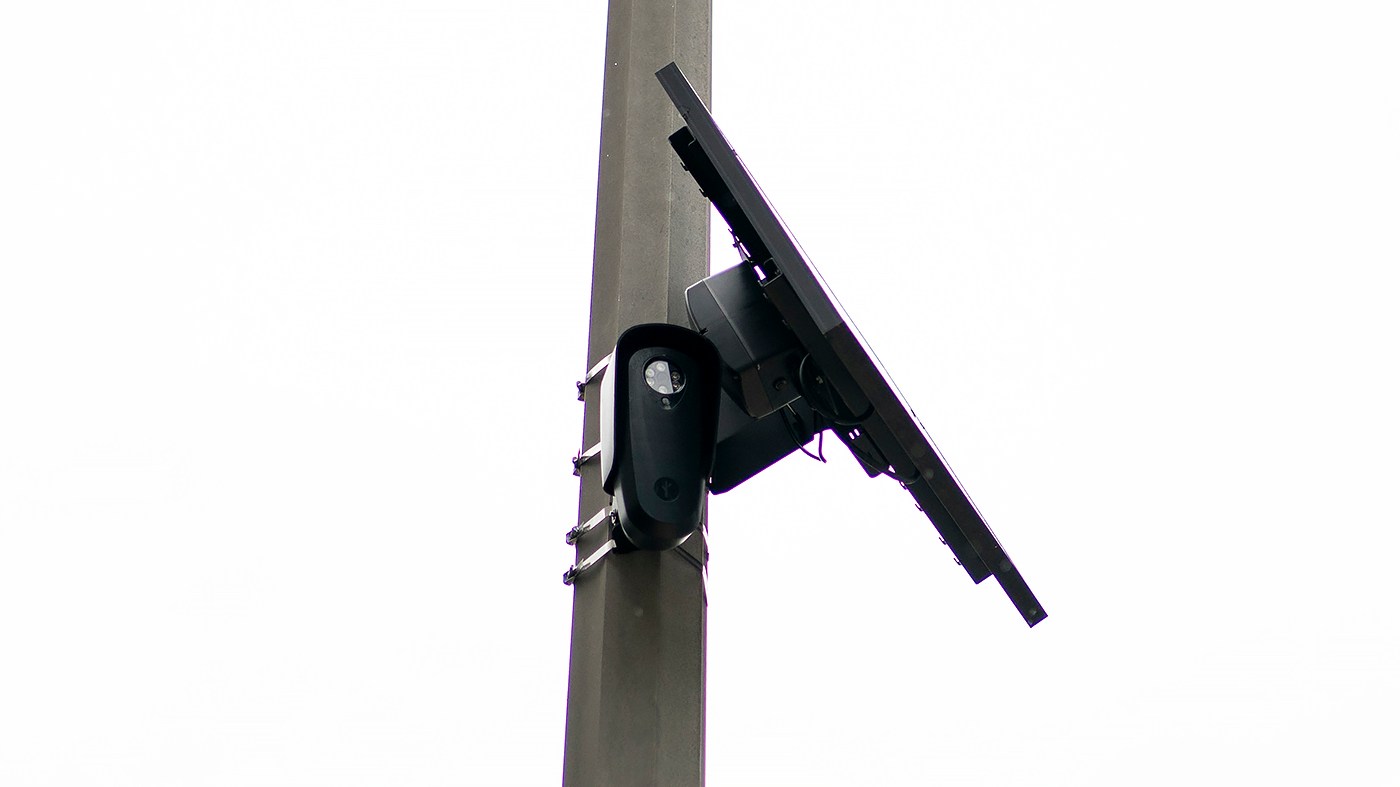
Flock Safety outlined a series of policy changes to its controversial database of automated license plate readers (ALPRs) as Washington mounts pressure on the company to prevent misuse of the technology.
The letter from Flock’s chief legal officer, Dan Haley, was sent earlier this month to Sen. Josh Hawley (R-Mo.), who is spearheading an investigation into the AI-powered surveillance company over privacy concerns.
Hawley said Flock does not believe “Americans’ privacy should depend on one vendor’s good judgement, its current leadership or its commercial incentives,” and he outlined numerous changes the company made in recent months to quell concerns.
The letter, first reported by The Wall Street Journal, was sent Sept. 8, weeks ahead of Wednesday’s Senate panel hearing on these concerns. Hawley asked the CEOs of Flock, along with Axon Enterprise, Motorola and Verkada to testify, though none attended.
Haley pointed to the changes Flock made to its search justifications. The company used to allow law enforcement to search its database “in a free-text field,” that led to nonspecific results at times. Now, a user must select an offense type to search the database, which is recorded in an audit log.
The offense type menu is based off of the Federal Bureau of Investigations’s crime data reporting standards. An administrator can also require a case number for every search.
The company also launched a new tool called Audit Assistance, which more efficiently monitors system activity and notes search patterns that fall outside typical usage.
This “helps agency administrators proactively see when activity warrants a closer look, allowing them to review, document, and respond to potential concerns,” Haley wrote.
Flock has faced mounting backlash this year for its network of more than 120,000 cameras across the country. Flock’s plate readers not only record license plate numbers, but specific details about a car to create what the company calls a “ vehicle signature .”
These details include the make, model and color of the car along with unique features like bumper stickers, decals and accessories.
While privacy concerns have long been raised over Flock’s technology, a series of recent news reports on law enforcement misusing Flock or other ALPRs sounded the alarm on Capitol Hill.
The company said it also introduced new filters for offense type filtering, meaning cities with Flock contracts can choose which type of offenses are permissible for other agencies to access their cameras.
Haley also pointed to how Flock shortened the recommended default data retention window from 30 to seven days to cut the amount of time data will sit in Flock’s systems. Agencies, however, can still set their own retention period in coordination with state or local policy.
The company also rolled out “evidence mode,” where detectives working on “exceptional cases” can preserve certain data for an active investigations that may be pending or without leads.
Topics in this story
Gathered from external sources. Rights to this text belong to whoever originally published it.