Warsh says Fed cares ‘very much’ about AI developments
Federal Reserve Chair Kevin Warsh said Wednesday the central bank is keeping tabs on rapidly developing artificial intelligence (AI) models. “We care very much about what’s happening in artificial intelligence,” Warsh told reporters, after the Federal Open Market Committee raised interest rates by a quarter point. The Fed chair noted he is interested in how…
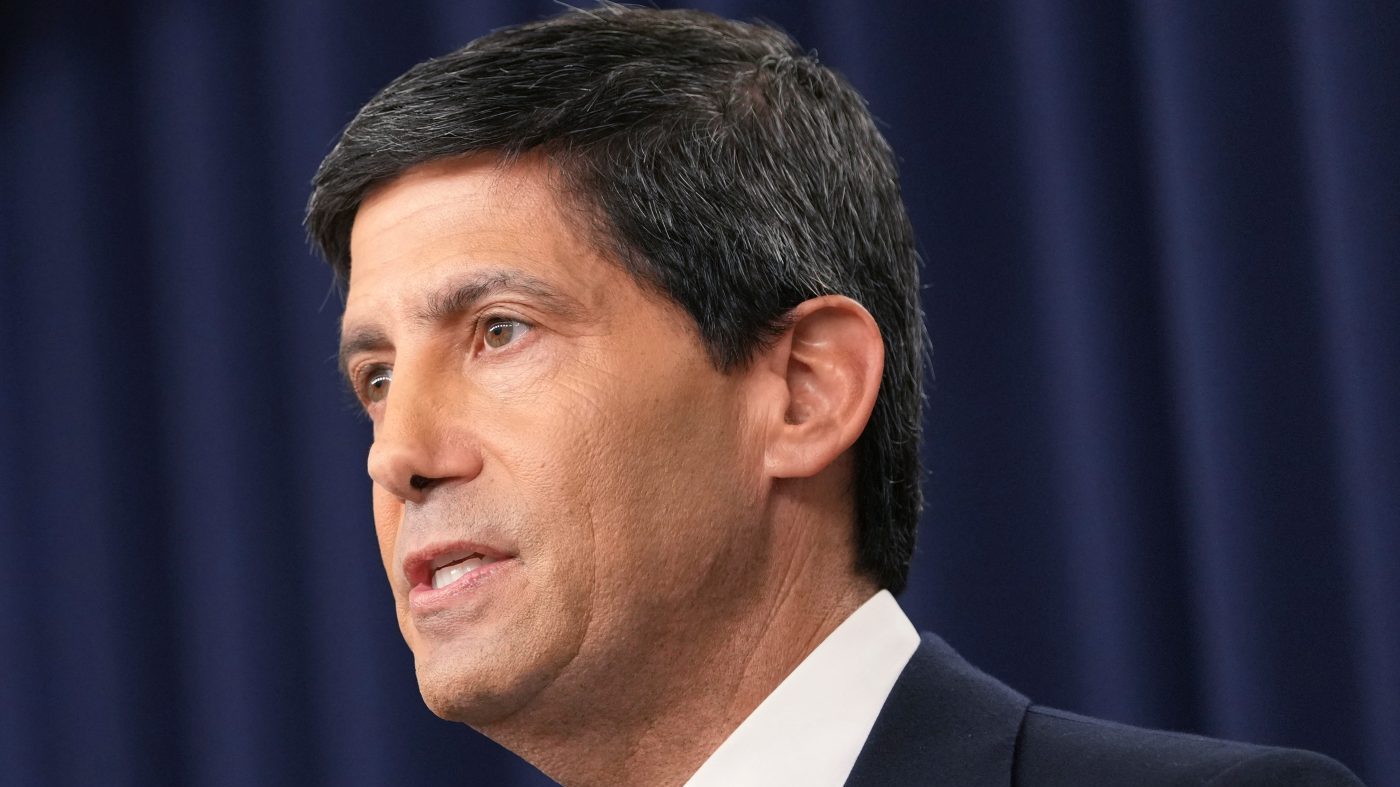
Federal Reserve Chair Kevin Warsh said Wednesday the central bank is keeping tabs on rapidly developing artificial intelligence (AI) models.
“We care very much about what’s happening in artificial intelligence,” Warsh told reporters , after the Federal Open Market Committee raised interest rates by a quarter point.
The Fed chair noted he is interested in how AI will impact the demand and supply sides of the economy. Roughly 5.8 million American workers are in fields with “high exposure” to displacement from AI, according to a July report from Apollo Global Management.
Warsh also said his task force on AI’s impact on the economy should provide him with a report by the end of the year.
“The policy decisions that are made about the risks and rewards, the challenges and opportunities [of AI], those are decisions made by other parts of the government,” Warsh added. “I’m going to leave it to them to make those … political decisions, those policy decisions.”
Democratic and Republican lawmakers have raised concerns about AI models, after a slew of researchers have warned about their capabilities.
“Do not underestimate the power of this technology. These will soon be superhuman systems that can hack anything, revolutionize any field overnight, and acquire real power and resources,” former Anthropic and OpenAI researcher Jacob Coxon wrote last week on the social platform X.
Coxon later wrote that those building AI models “earnestly believe that it could kill us all by the end of the decade.”
His former boss, Anthropic CEO Dario Amodei, called for a slowdown in development days later, arguing it is necessary to allow risk prevention measures to “keep up.”
“Society must have a say in how this technology is used, and more time for the necessary public deliberations — which pacing the frontier would bring us — is surely a good thing,” Amodei wrote in an essay .
Lawmakers from both chambers have introduced various bills to regulate AI, but the House is departing for a seven-week recess on Wednesday.
The Senate, meanwhile, is scheduled to be on recess for nearly all of October and eight days in November. Congress also has multiple political fights ahead, from avoiding a government shutdown in December to passing the annual farm bill .
“Do you think we’re capable of regulating AI? I mean, we can’t pass a budget, you think we’re going to have some great bill on AI?” Sen. Rick Scott (R-Fla.) told The Hill on Tuesday.
President Trump has taken a softer approach to AI, arguing the U.S. must lead in the race against China and cannot overly regulate the technology.
Trump said Monday the federal government already has “tremendous CRIMINAL and REGULATORY power” over AI companies.
“There is a SICK conspiracy going on against AI and Data Centers, and the only one that is happy about it is China,” the president wrote on Truth Social .
Miranda Nazzarro contributed to this article.
Topics in this story
Gathered from external sources. Rights to this text belong to whoever originally published it.