House approves bill aimed at putting data center electricity costs on tech companies
The House on Tuesday passed a bill aimed at shielding Americans from increased electricity costs associated with data centers. The bill requires states to consider taking up standards that would force tech companies to shoulder the electricity cost increases associated with large data centers but doesn’t actually require them to regulate. The bipartisan Ratepayer Protection Act,…
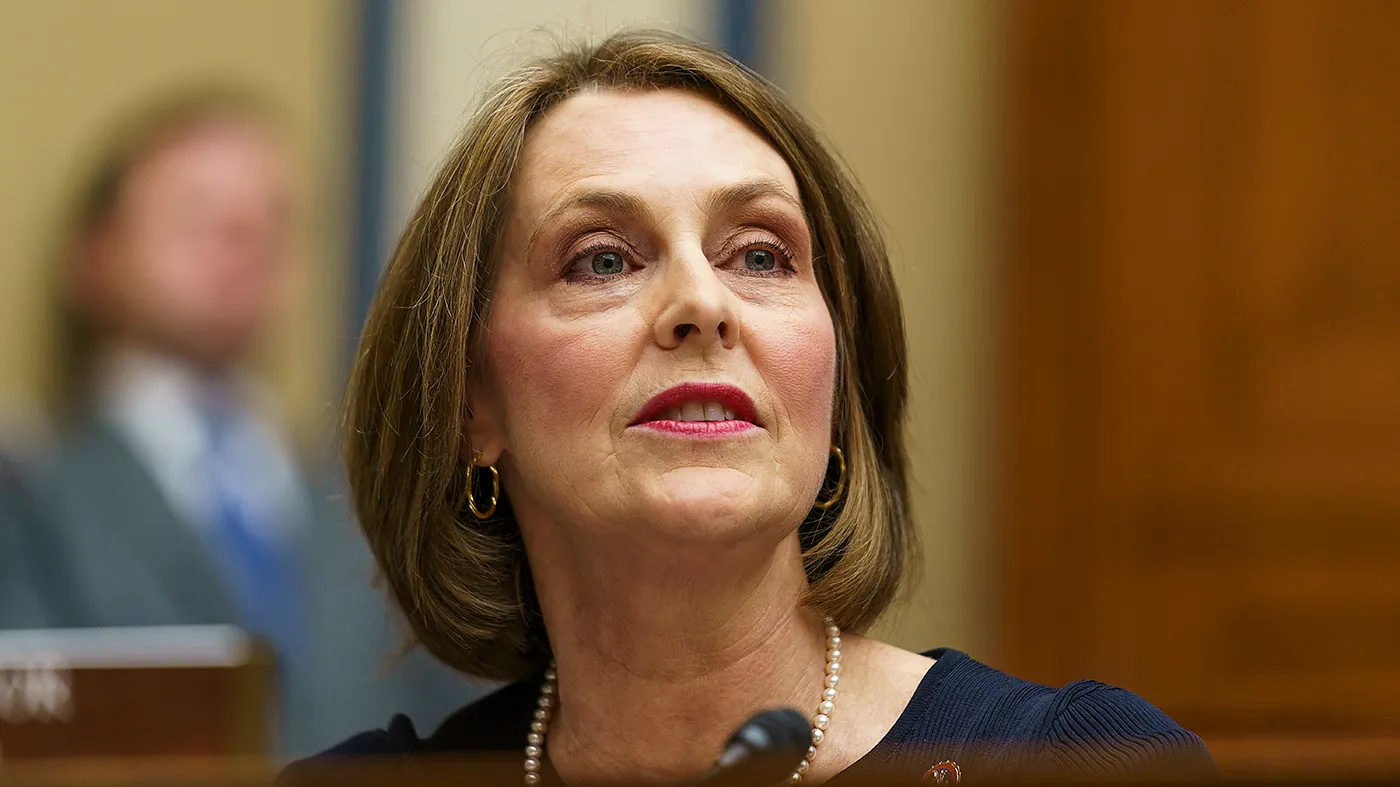
The House on Tuesday passed a bill aimed at shielding Americans from increased electricity costs associated with data centers.
The bill requires states to consider taking up standards that would force tech companies to shoulder the electricity cost increases associated with large data centers but doesn’t actually require them to regulate.
The bipartisan Ratepayer Protection Act , sponsored by Reps. Kathy Castor (D-Fla.) and Gabe Evans (R-Colo), passed 417-3 under a fast-track process known as suspension of the rules.
The vote comes at a moment of rising backlash to both artificial intelligence itself and the data centers that power it .
The legislation describes a framework under which facilities that demand a lot of electricity — like large data centers — would be charged a rate that would cover the full cost of any additional power production or electricity infrastructure required to meet their demand so that costs do not fall on the general public.
It does not force state regulators to adopt the framework but says states must hold a hearing on such a policy within two years of the bill’s enactment.
The bill’s supporters describe it as a solid push that could ultimately spur state-level action to protect consumers.
“The Ratepayer Protection Act helps to safeguard these benefits by ensuring that the companies who are building data centers — and not American families and small businesses — are paying for the electricity they use,” said Rep. Brett Guthrie (R-Ky.) in a statement. “U.S. leadership in the race to AI dominance is critical to our economic prosperity and national security, so we need to keep building the needed infrastructure with appropriate accountability measures.”
Critics, however, say it is toothless and may not spur significant changes at a time when AI data centers threaten to drive up electricity costs and destabilize the grid .
Progressive Rep. Rashida Tlaib (D-Mich.) posted to social media ahead of the vote, writing that she was not supporting the bill that “fails to meaningfully protect our communities.”
“The strongest action Congress can take right now is to pass a national moratorium on data centers and enact a prohibition on federal lands,” she wrote.
While the bill has broad bipartisan support, its future was not immediately clear. Sen. Jon Husted (R-Ohio) introduced a companion bill in the Senate, but it has not yet gotten a vote.
Husted spokesperson Olivia Tripodi said via email that the senator is happy the House is moving the bill this week and “is having conversations on how the Senate can follow suit.”
Allison Clements, a former member of the Federal Energy Regulatory Commission (FERC), said that if it becomes law, the bill could be a good step, but for some states, the requirement could be redundant of what they are already forced to do by a recent commission order .
“Is it a good step? Yes. Is it anywhere close to sufficient relative to these challenges? No,” Clements, a Democrat who is now principal at energy consulting firm 804 Advisory, said of the bill.
“It’s going to be duplicative in a lot of states,” she said, but noted that states that are not covered by the FERC order “will be required to at least open a proceeding at the state level to think about these issues.”
Topics in this story
Gathered from external sources. Rights to this text belong to whoever originally published it.