Warren Buffett’s final words of warning as Berkshire chairman: US dollar ‘going to hell.’ Shockproof your nest egg now
“Fiscal policy is what scares me in the United States.”
Moneywise and Yahoo Finance LLC may earn commission or revenue through links in the content below.
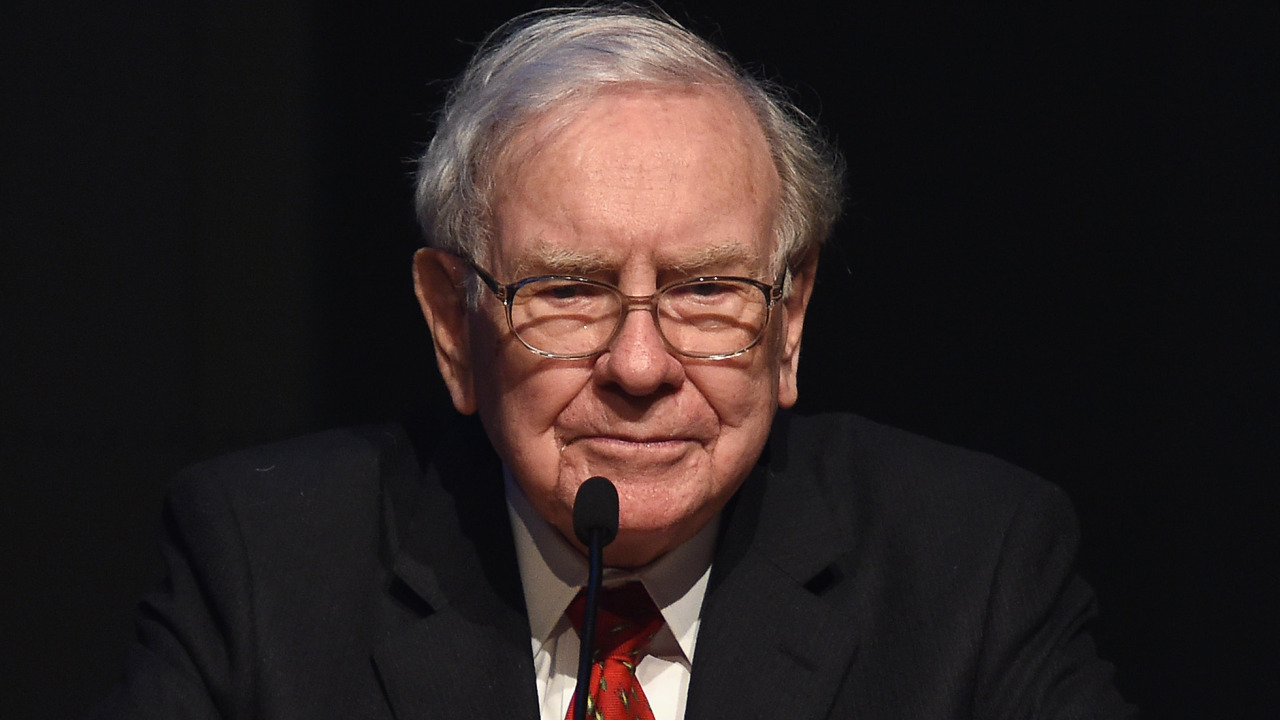
Warren Buffett spent more than 60 years building Berkshire Hathaway into one of America's most powerful companies. Now, at 96, he has relinquished the chairman's seat — and a warning he delivered at his final shareholder meeting as CEO sounds especially striking in light of that farewell.
"We wouldn't want to be owning anything that we thought was in a currency that was really going to hell, and that's the big thing we worry about with the United States currency," Buffett told shareholders (1) in May 2025.
Jeff Bezos backs a platform that lets anyone invest in rental homes for as little as $100 — 6 ways to build wealth like a landlord without actually being one
A single line on your car insurance policy could be inflating your premium by up to 30% — here's what to change
A record 45% of central banks plan to grow gold reserves — and many investors are following suit. Get your free gold IRA guide from Priority Gold
Buffett wasn't declaring that the dollar had already collapsed. He was warning about what relentless government spending and borrowing could eventually do to its value.
"Fiscal policy is what scares me in the United States," he said.
The federal government has spent more than it collects for decades, covering the shortfall by borrowing and piling ever more debt onto its balance sheet. Buffett warned that this cannot continue indefinitely without consequences.
"We're operating at a fiscal deficit now that is unsustainable over a very long period of time," he said. "We are doing something that is unsustainable, and it has the aspect to it that it gets uncontrollable to a certain point."
Since then, the arithmetic has only become more alarming. Through the first 11 months of fiscal 2026, the federal government ran up another $1.97 trillion (2) deficit. Meanwhile, the national debt has surged past a staggering $40 trillion (3).
That number is almost too large to comprehend. But beneath America's sprawling fiscal problem lies something that affects every household: the value of its money.
Buffett acknowledged that governments "can issue paper money," but warned that "the natural course of government is to make the currency worth less over time, and that's got important consequences."
Americans don't have to look far to see those consequences, as inflation has steadily eroded the dollar's purchasing power for decades. According to the inflation calculator put out by the Federal Reserve Bank of Minneapolis (4), $100 in 2026 has the same purchasing power as just $11.61 did in 1970.
Topics in this story
Gathered from external sources. Rights to this text belong to whoever originally published it.