Pentagon temporarily rescinds mandatory testosterone testing guidance
The Pentagon temporarily rescinded the recently issued guidance instructing mandatory testosterone deficiency screening for male active-duty and reserve service members age 30 and older, a Pentagon official told The Hill on Thursday. The guidance, which was unveiled on Wednesday, stated that men over the age of 30 would get testosterone blood tests, while those younger…
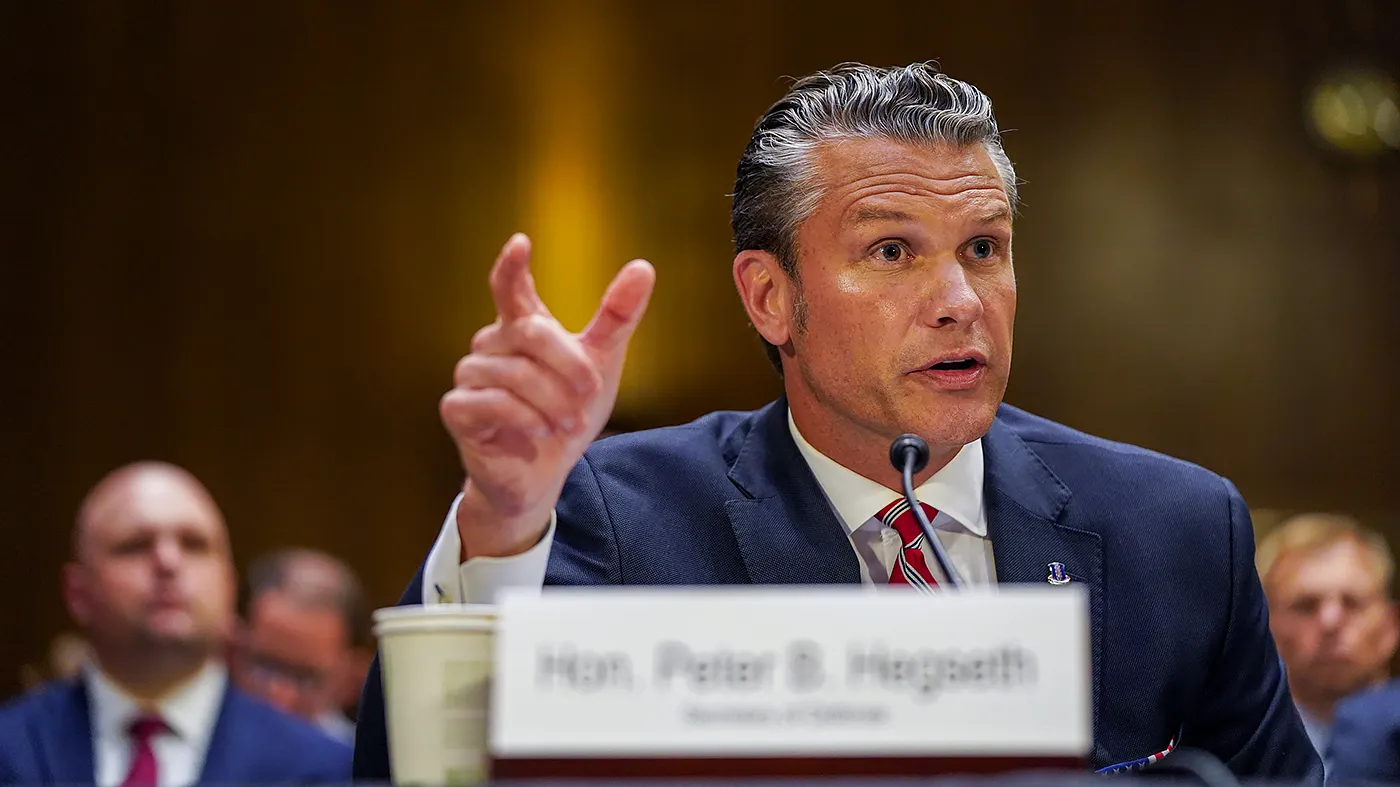
The Pentagon temporarily rescinded the recently issued guidance instructing mandatory testosterone deficiency screening for male active-duty and reserve service members age 30 and older, a Pentagon official told The Hill on Thursday.
The guidance, which was unveiled on Wednesday, stated that men over the age of 30 would get testosterone blood tests, while those younger than 30 would only be tested if health professionals deemed it necessary or if the service members wanted it themselves.
The guidelines for the tests were released on the Defense Health Agency (DHA) website as “Clinical Guidance for Health and Human Performance Optimization,” outlining that those service members who are diagnosed with low testosterone would be given treatments and additional screenings.
Female service members would be asked whether they have disrupted menstrual cycles that could be linked with hormonal dysregulation, according to the guidelines.
But the guidelines were temporarily rescinded to allow for “updates,” according to a Pentagon official.
The DHA’s page where the guidelines were published on Wednesday now states they were “moved or been removed.”
“The Department remains committed to addressing hormone deficiencies, protecting the long-term health of its Service members and enabling peak operational performance,” the official said.
The “Interim Guidance on Testosterone Deficiency Screenings for Active Duty and Reserve Component Personnel” remains in effect, the official said on Thursday, adding that the final clinical guidance will be issued “shortly.”
The rescission was reported earlier by Reuters.
Defense Secretary Pete Hegseth announced the new effort to screen service members’ testosterone levels and offer testosterone replacement therapy (TRT) in July, arguing it would be a way to keep soldiers on the “leading edge of lethality.”
“While we invest heavily in our weapon systems, platforms and gear, our most decisive tactical advantage will always be the individual warfighter,” Hegseth said at the time. “We have a sacred duty to maintain that advantage, which is why we must constantly look for new ways to optimize your performance, your resilience and your long-term health.”
Some medical experts said that Hegseth’s reason for issuing it is not backed by science.
Derek Griffith, the director of the program for research on men’s health at the University of Pennsylvania, previously told The Hill that only 2 percent of the male population has low testosterone, therefore it does not “suggest that this is a major problem” in the U.S. military.
Griffith also said that TRT for those suffering from low testosterone could aid in improving one’s health.
Topics in this story
Gathered from external sources. Rights to this text belong to whoever originally published it.