Moody's Mark Zandi warns of a 'serious' mistake if the Fed hikes rates as Wall Street expects a quarter-point increase
The Federal Reserve is expected to raise interest rates for the first time since 2023, but Zandi says higher rates won’t fix inflation.
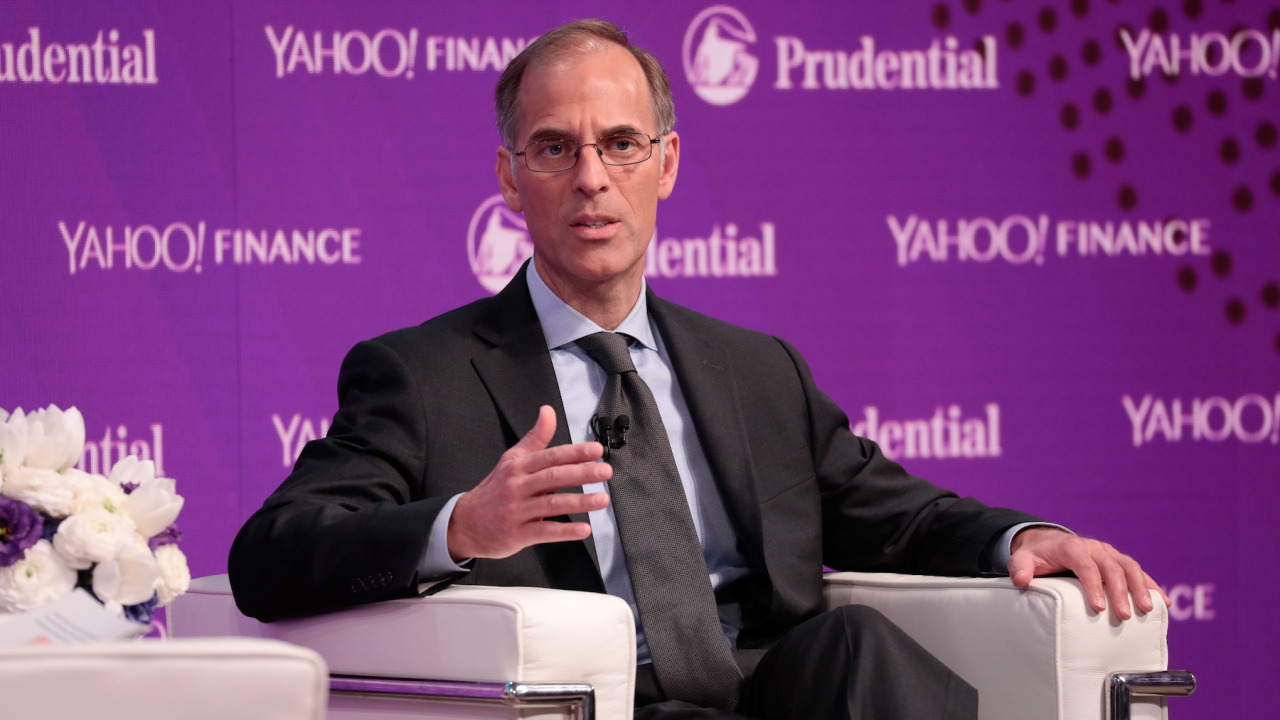
Moody's Analytics chief economist Mark Zandi is prodding the Federal Reserve to hold off on raising interest rates as most Fed watchers expect it to in the coming days.
The Fed is scheduled to have its next meeting on Tuesday and Wednesday, with Kevin Warsh over three months into the job as Fed chair. So far, Warsh has focused on scaling back economic guidance from the central bank to financial markets in a move that investors greeted with some unease on Wall Street. He's also set out to remake how Fed policymakers reach their interest rate decisions.
Jeff Bezos backs a platform that lets anyone invest in rental homes for as little as $100 — 6 ways to build wealth like a landlord without actually being one
Dave Ramsey warns nearly 50% of Americans are making 1 big Social Security mistake. Here's what it is and 3 simple steps to fix it ASAP
The tax breaks in Trump's 'big beautiful bill' expire after 2028. Here are 4 moves to make before the window closes
Warsh, though, has maintained he will endorse raising borrowing costs if inflation doesn't cool anytime soon, thanks in large part to the price spikes connected to the Iran War that began in February. The bulk of Wall Street analysts believe the Fed will begin hiking rates for the first time since 2023. Zandi, though, is arguing the central bank should tread carefully.
"The odds of a serious Fed policy mistake are uncomfortably high and rising. Markets are all but certain the Fed will raise rates a quarter point at next week's meeting, and are pricing in more to come," Zandi said in an X post. He argues the US economy is still in good shape, citing steady 2% growth and relatively low unemployment as factors for central bank policymakers to consider when making rate hike decisions.
"Inflation is too high, to be sure, running above 3%," Zandi said . "But much of that is the fallout from higher energy prices and tariffs, supply shocks that rate hikes can't fix and that should fade on their own so long as inflation expectations stay anchored, as they have."
Zandi presented the economic landscape as a tricky one for the Fed to maneuver. The explosion in AI spending among tech giants has propped up equities and fueled demand for critical memory chips and other AI-related equipment to power the buildout. The latter has compounded inflation for certain products like smartphones, laptops and gaming consoles, in addition to the tariffs that President Donald Trump unilaterally implemented last year.
"To hit its inflation objective, the Fed either needs to rein in the AI boom or put even more pressure on the rest of the economy," he said. "Neither is a good outcome. Of course, it doesn't have to choose either. It can wait."
Topics in this story
Gathered from external sources. Rights to this text belong to whoever originally published it.