Measles comeback puts daycares, schools on the front lines
Daycares and schools have a fight on their hands to keep students healthy after the U.S. officially lost its measles elimination status this week. As the highly contagious disease makes a comeback and vaccination rates dwindle, classrooms are prime targets for measles to spread. “Measles is perhaps the most infectious disease on the planet. If…
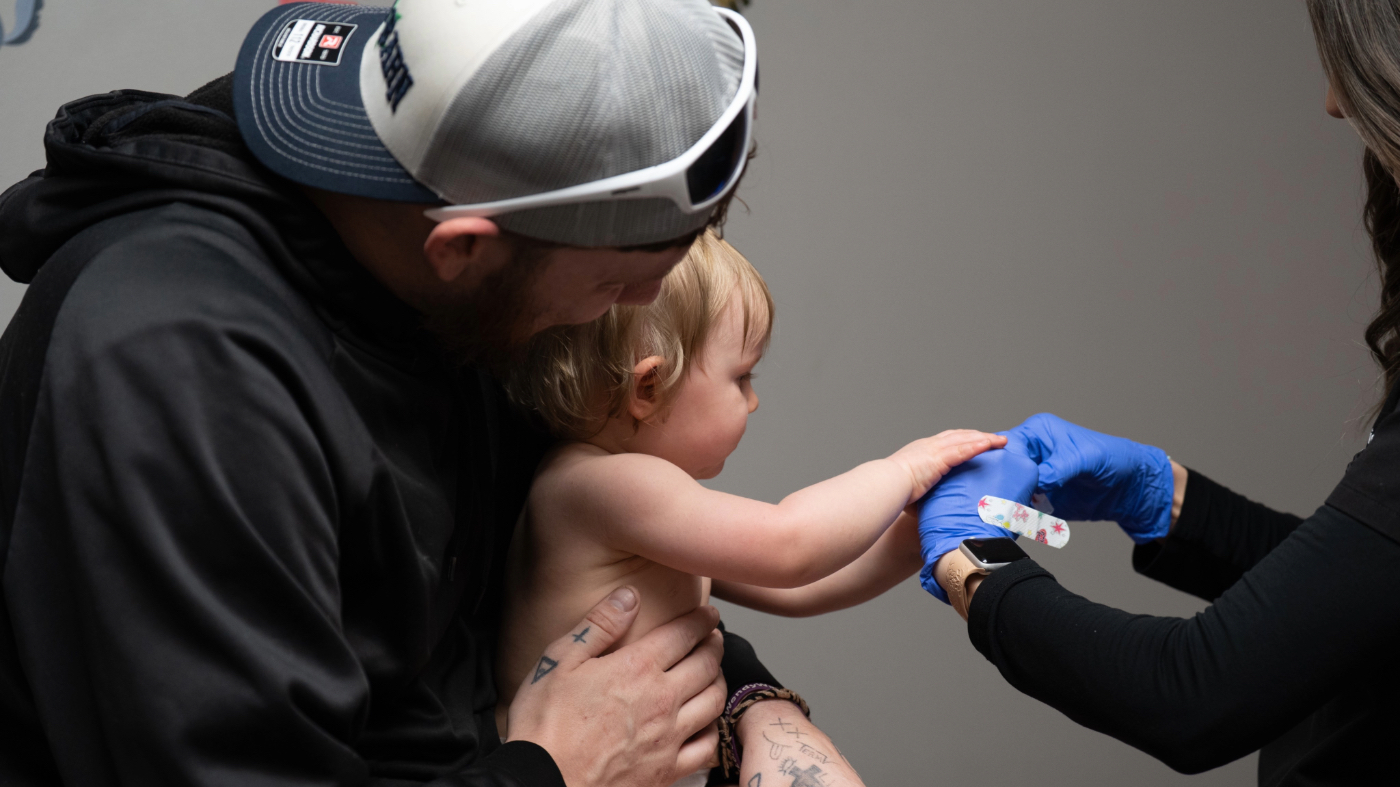
Daycares and schools have a fight on their hands to keep students healthy after the U.S. officially lost its measles elimination status this week.
As the highly contagious disease makes a comeback and vaccination rates dwindle, classrooms are prime targets for measles to spread.
“Measles is perhaps the most infectious disease on the planet. If a child with measles spends one hour in a classroom of 10 children at a daycare or school, nine of those children will catch measles,” said Lawrence Gostin, the director of the World Health Organization Collaborating Center on National and Global Health Law and a distinguished professor at Georgetown Law.
The U.S. lost its measles elimination status Tuesday after more than 25 years, with cases totaling more than 7,700 over the past two years and at least 10 deaths occurring so far this year.
At least two of the measles deaths in 2025 were from unvaccinated school-age children.
Public health officials and advocates have blamed the loss of the elimination status on lower vaccination rates.
The measles, mumps and rubella (MMR) vaccine is typically required for public school students, but federal data showed that exemptions for vaccines among kindergartners over religious or other grounds hit an all-time high this year: 4.2 percent, up from 3.6 percent in 2025.
Only 92.4 percent of kindergarten students have received the MMR vaccine, according to the Centers for Disease Control and Prevention, which sits below the 95 percent threshold for herd immunity.
“By law, children are required to attend school. With measles rising, we are forcing parents to send their children into unsafe classrooms. And all of this if fully preventable,” Gostin said.
When schools detect a case among students, they often have to notify anyone who is unvaccinated and exclude them from classrooms and other school-related activities.
Last month, an entire school building had to be shut down because of a measles outbreak in Pennsylvania, which on Wednesday confirmed its eighth measles death of the year.
“It’s especially important to think about this for our daycares, especially those daycares that see infants under the age of 1,” said Kisha Davis, president of the American Academy of Family Physicians.
“Those younger kids don’t have that protection, and so it’s really important for everyone around them to be vaccinated. Those kids, especially, benefit from herd immunity … as well as other kids who may be immunocompromised or have other conditions that prevent them from being able to be vaccinated,” she added.
Measles can stay in the air for up to two hours, making classrooms and daycares an easy setting for it to spread quickly among unvaccinated people.
The MMR shot is found to be 97 percent effective at combating measles and was credited with being the reason the U.S. eliminated the disease in 2000.
But vaccine skepticism has grown, and Robert F. Kennedy Jr., the head of the Department of Health and Human Services, has sent mixed messages about inoculation efforts.
After the elimination status loss was announced Tuesday, Kennedy recommended that everyone get the MMR vaccine in a social media post, despite previously suggesting breaking up the shot schedule.
“We will stop measles outbreaks, protect American families, and work to regain U.S. measles elimination status. I continue to recommend MMR vaccination as the most effective way to prevent measles,” Kennedy said.
“Worldwide COVID-era disruptions interrupted routine childhood vaccination, leaving gaps in protection here and abroad. The multi-year global outbreak has caused many nations to lose their elimination status including, Armenia, Austria, Azerbaijan, Bolivia, Canada, Mexico, Spain, United Kingdom, and Uzbekistan,” he added.
Experts say it is important for schools and doctors to reach out to vaccine-skeptical parents with respect and engage in conversations in good faith.
“I find that when I have an honest conversation with my patients and let them express what their frustration is or what their worry is and then talk about the benefits that they may not have heard about, we often get to a place of vaccination,” Davis said. “And so, I think approaching those conversations not from shame or blame, but more from respect and honesty, really does go a long way to help people be more comfortable with making the decision to get their kids vaccinated.”
But some advocates believe vaccine requirements should be stronger, with only medical exemptions available instead of the religious or philosophical ones that some states allow.
With measles back, experts fear the return of other diseases the U.S. thought were gone.
“Losing the nation status may signal that the U.S. is vulnerable to more vaccine-preventable diseases. Measles is what we call the canary in the coal mine when it comes to vaccine-preventable diseases. It’s usually the first to break, and then it signals that we’re vulnerable to others,” said Caitlin Gilmet, communications director for American Families for Vaccines.
Topics in this story
Gathered from external sources. Rights to this text belong to whoever originally published it.