A study of 509 wild snakes across the southeastern US uncovers two infections linked to poorer nutritional condition, including a fungus and an invasive parasite
Wild snakes in the southeastern United States face health risks from a fungal disease and an invasive parasite that can affect their skin and respiratory
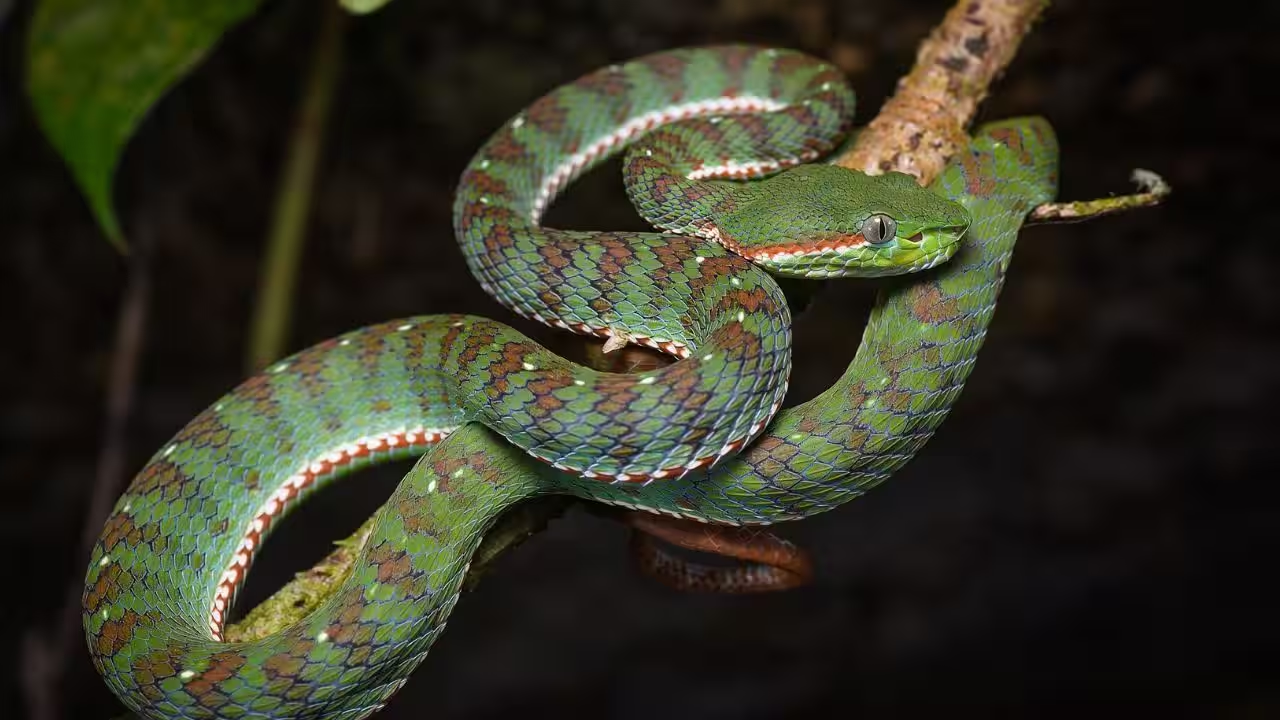
Wild snakes in the southeastern United States face health risks from a fungal disease and an invasive parasite that can affect their skin and respiratory system. A study examined 509 snakes from 29 species and found evidence of both infections, which researchers linked to poorer nutritional condition.The fungus was detected in 16.1% of tested snakes, while the parasite was found in 12.7% of those tested in Florida. The findings also showed that some snakes carried several pathogens at once. According to research published in Frontiers in Veterinary Science titled ‘Health assessment and multipathogen surveillance of free-ranging snakes in the southeastern United States’, the results provide a baseline for understanding disease in local wild snake populations and guiding conservation work.Researchers examined snakes across five southeastern US statesThe researchers examined free-ranging snakes at wetland sites in Volusia County, Florida, and Jasper County, South Carolina, from May 2022 to May 2024. They also included snakes collected in Athens-Clarke County, Georgia, and diagnostic cases submitted between 2021 and 2024 from several states, including Louisiana and Tennessee. The team captured animals through visual searches, road surveys, cover boards, and minnow traps. Researchers physically examined each snake and, where possible, collected skin, mouth, and cloacal swabs, as well as blood and faecal samples.In total, the study included 509 snakes representing 29 species, including 61 carcasses assessed after death. The team tested samples for seven pathogen groups to build a broader picture of snake health in the region over time.How was the fungal infection associated with snakes' nutritional conditionThe fungus Ophidiomyces ophidiicola causes a disease known as ophidiomycosis, which can produce skin lesions such as misshapen scales, crusting, and ulcers. The researchers detected the fungus in 16.1% of tested snakes, or 82 of 508 samples. Skin lesions were recorded in 45.9% of examined snakes, although not every lesion was linked to this fungus.Among snakes with lesions, 30.5% tested positive for the pathogen. The study found that pygmy rattlesnakes had a higher likelihood of fungal detection and apparent ophidiomycosis than several other species. Severe cases can affect internal organs and may lead to death. The researchers found that fungal detection was associated with poorer nutritional condition in snakes. Researchers used laboratory tests alongside visible signs to assess infection.Invasive pentastome found in the lungs, windpipe, and body cavitiesThe second infection involved Raillietiella orientalis, an invasive parasite known as a pentastome. It was detected in 12.7% of the Florida snakes tested, or 37 of 292 samples. The parasite was not detected in snakes sampled at the South Carolina or Georgia sites. Adult parasites can occur in the oral cavity, windpipe, and lungs, as well as within the body cavity.The researchers noted that the parasite was likely introduced to South Florida by invasive Burmese pythons and has since spread among native snakes. In six snakes examined after death at the Florida site, all had pentastomiasis, with between 4 and 12 adult parasites found in different body locations.What did researchers find about multiple infections in wild snakesOverall, 44% of tested snakes had more than one pathogen. Snakes with several infections were more likely to show signs of fungal disease. Detection of the fungus, and separately of the parasite, was associated with lower nutritional condition scores. Pygmy rattlesnakes showed high detection rates for the fungus and parasite among the species examined.The findings do not represent every snake habitat in the southeastern United States. Most live sampling took place at two wetland sites, and capture methods may favour some species over others. According to the researchers, further research is needed to understand how infections affect populations over time and to support monitoring and conservation efforts across the region.
Topics in this story
Gathered from external sources. Rights to this text belong to whoever originally published it.