Samsung Stock Falls as $18.7 Billion Power Proposal Highlights AI Infrastructure Costs
Samsung rejected a massive electricity prepayment proposal as Korea confronts the power demands of expanding semiconductor production.
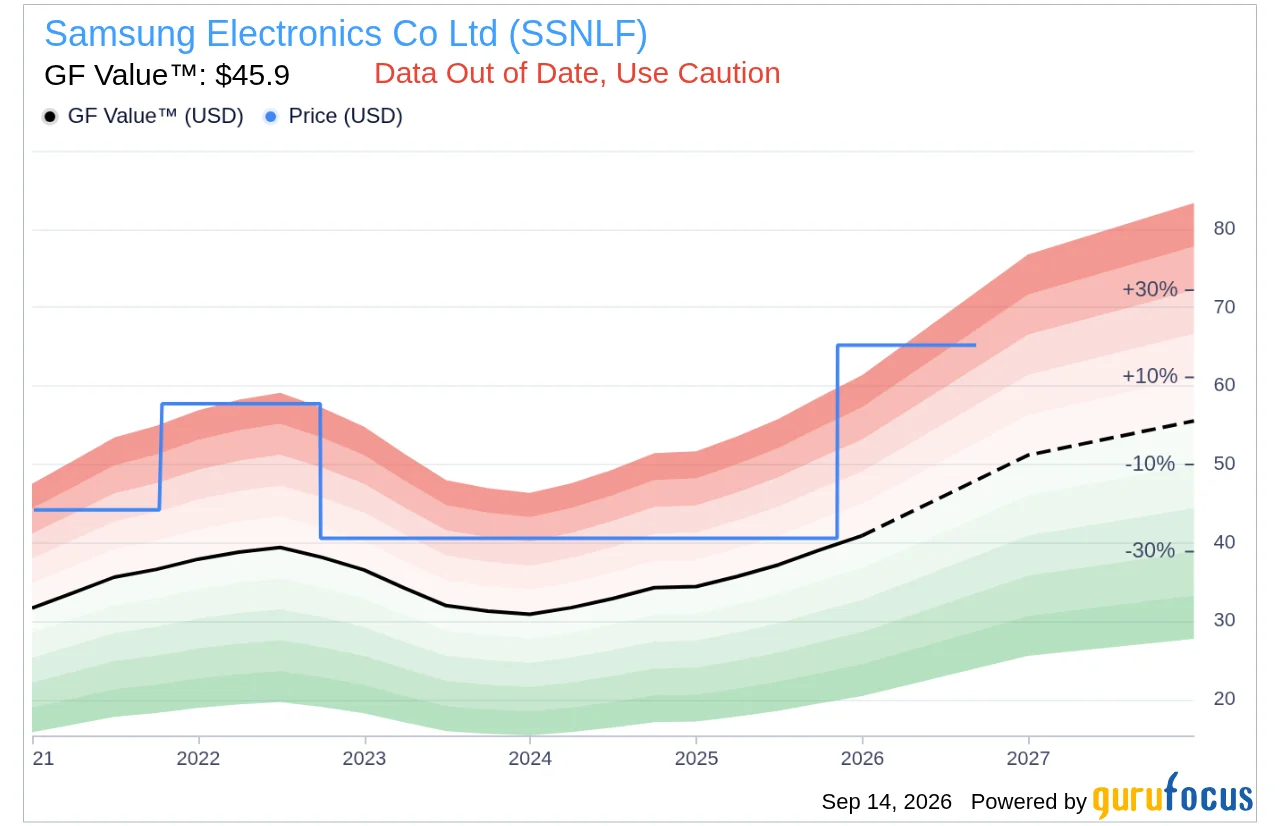
Samsung Electronics ( SSNLF ) shares dropped 3.85% to 249,500 won in Seoul Monday as investors confronted two pressures at once: a broad retreat in AI-linked stocks and a potentially enormous bill for powering Korea's next generation of chip factories. Samsung Electronics, the memory, semiconductor and consumer-electronics giant, pushed back against a proposal that would require it and rival SK Hynix to help prepay for electricity infrastructure supporting future semiconductor clusters.
Reuters reported that Korea Electric Power proposed roughly 25 trillion won, or $18.7 billion, in advance payments from Samsung and SK Hynix ( NASDAQ:SKHY ) to secure electricity for planned chip mega-clusters, an arrangement both companies rejected. Yet Samsung is hardly slowing its technology roadmap. The company is also preparing to introduce ASML's ( NASDAQ:ASML ) High-NA lithography into memory-chip manufacturing from 2028, reinforcing how aggressively it intends to compete at the advanced end of semiconductor production.
The GuruFocus picture adds another layer: Samsung carries a strong GF Score of 92 out of 100, with particularly robust profitability, growth, financial strength and momentum, while GF Value remains the clear weak spot.
That contrast matters. The AI chip race is no longer simply about buying better lithography machines or building more fabs; securing enough reliable electricity is becoming part of the competitive equation. A proposed $18.7 billion infrastructure contribution is large enough to pressure capital allocation even when shared across multiple manufacturers. Rejecting the upfront demand preserves Samsung's financial flexibility today, but it does not eliminate the underlying power requirement. For investors, Monday's decline highlights an increasingly important reality: winning the AI semiconductor boom may depend almost as much on energy infrastructure and disciplined spending as on the chips themselves.
Topics in this story
Gathered from external sources. Rights to this text belong to whoever originally published it.