Why AI Is Vacuuming Up the World’s Wealth
A lot of cash flying around the globe is going to one place. That’s a potential problem for the US, developing nations and maybe the global economy.
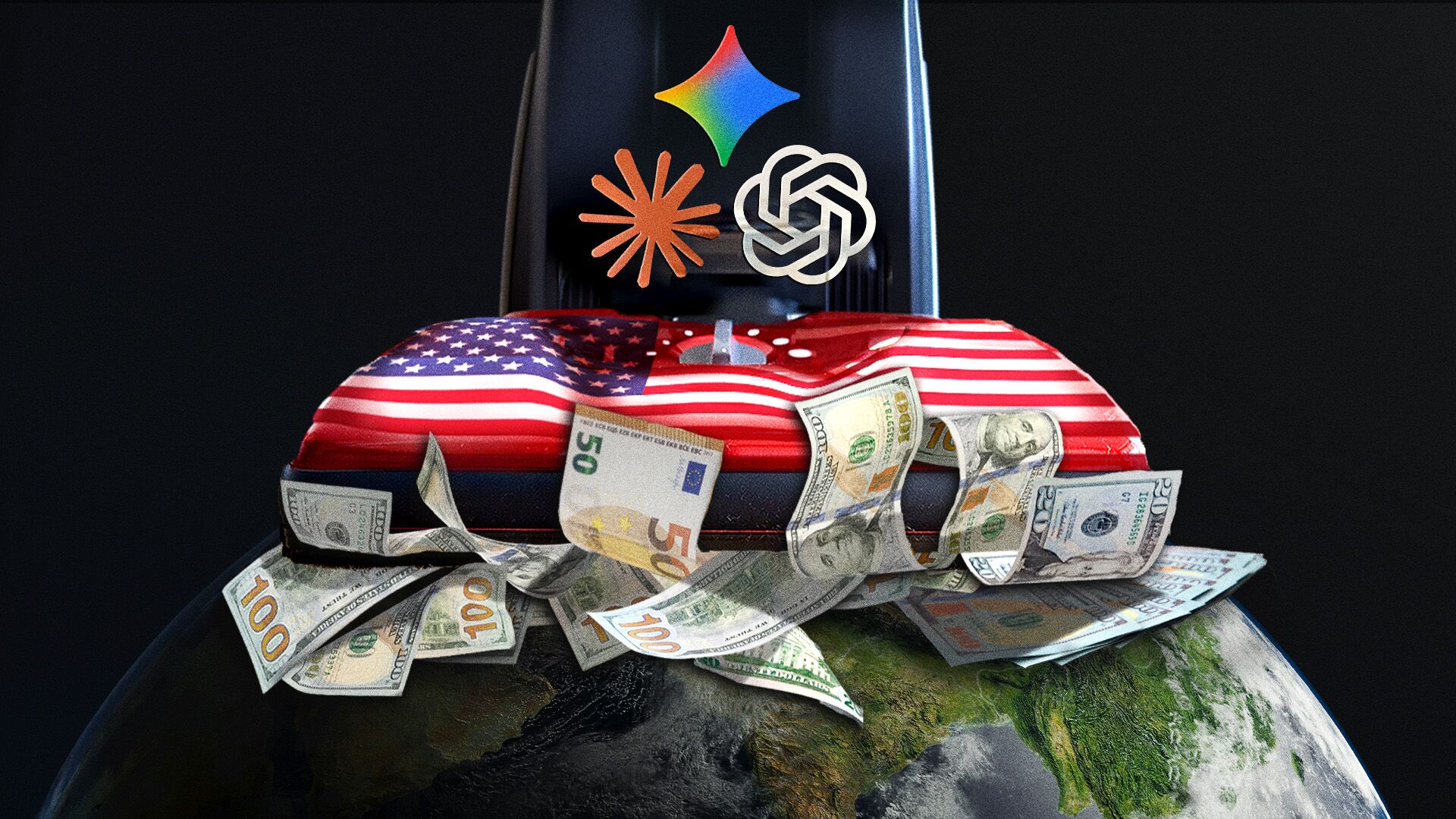
(Bloomberg) -- There's more money flying around the world than ever, and a lot of it is headed to one place: artificial intelligence. That could become a problem for the US government, developing nations and the global economy.
In this weekly documentary by Bloomberg Originals, we unpack how the AI boom has quickly concentrated wealth not only in those seven companies Wall Street calls magnificent, but the firms and nations profiting from the technology's massive buildout. One problem? Money that would otherwise be buying sovereign debt or investing in developing nations and traditional industries is instead being funneled into a riskier bet with no guarantee of return. Meanwhile, the massive shift in capital is pushing global trade imbalances to levels unseen since 2008. And we all know what happened then.
Companies in South Korea, Japan and Taiwan are the main producers of semiconductors critical to the data centers sprouting up all over the US. That's led to vast amounts of cash piling up — courtesy of the US tech giants buying those chips — and a search for good return. In some cases, that cash is heading right back into stocks and bonds issued by those same American AI companies.
Historical analyses show that the more flush those economies become, the greater the risk tolerance when it comes to where all that cash is invested. And that reality is playing out right now, as more money pours into equities and corporate bonds rather than lower-risk investments like US Treasuries. Witness the rising yields of US government debt, as well as that of other nations, and you begin to see just how big an impact the AI revolution is having — and the grave consequences if it falls short.
To see more Bloomberg Originals video documentaries, click here.See the latest videos from Bloomberg Originals here.
Topics in this story
Gathered from external sources. Rights to this text belong to whoever originally published it.