Obama says AI flipped from 90% human-taught to 50/50 in under a year — the six-figure jobs he says go first
“The economic disruptions that will come at this speed, I think, are going to be profound as well,” said the former president.
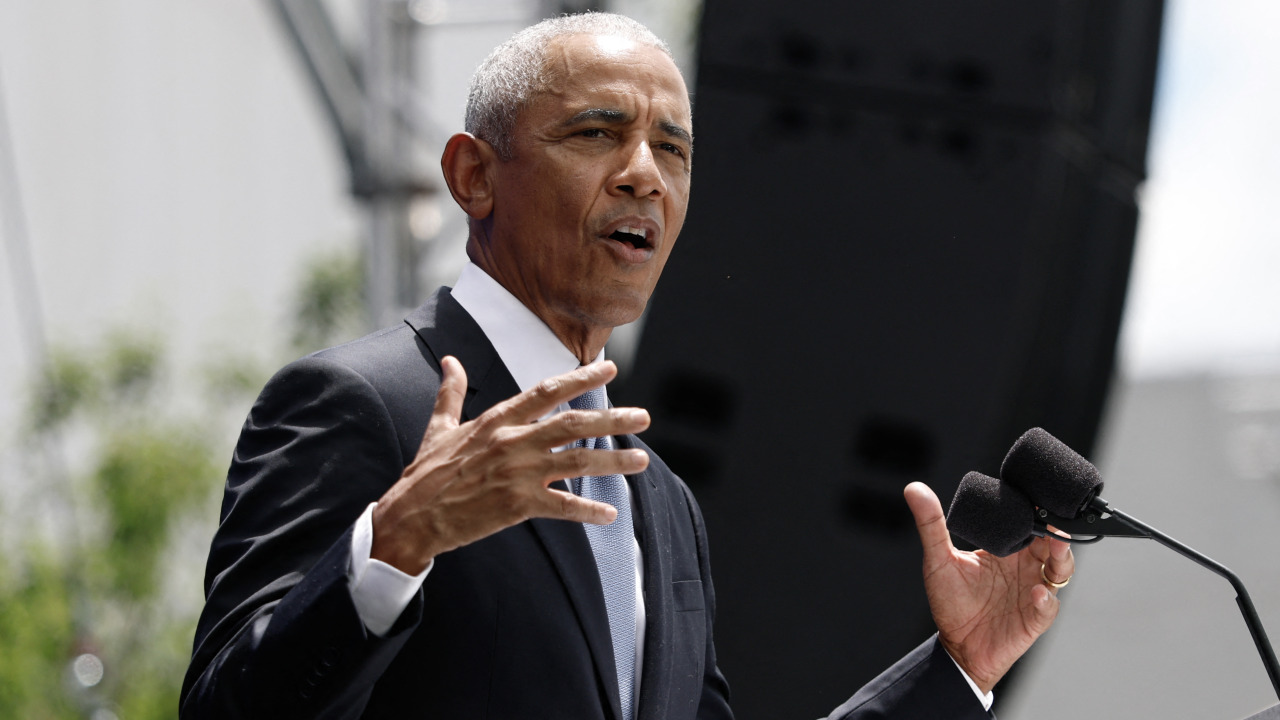
A six-figure salary and years of specialized training may offer little protection from artificial intelligence, with former President Barack Obama warning that AI is quickly becoming capable of doing work now performed by lawyers, accountants and other skilled professionals.
In a Sept. 18 conversation at Colgate University in Hamilton, New York, Obama tied the risk to " recursive learning ," which he described as AI models increasingly learning without relying on humans to supply the answers.
Jeff Bezos backs a platform that lets anyone invest in rental homes for as little as $100 — 6 ways to build wealth like a landlord without actually being one
Dave Ramsey warns nearly 50% of Americans are making 1 big Social Security mistake. Here's what it is and 3 simple steps to fix it ASAP
A single line on your car insurance policy could be inflating your premium by up to 30% — here's what to change
About a year ago, Obama estimated, humans were responsible for roughly 90% of what AI models learned, with the models filling in another 5% to 10% themselves. In less than a year, and perhaps less than six months, he said that split has moved to roughly 50/50.
If the trend continues, Obama said the ratio could eventually flip to 90% machine learning and 10% human input, allowing AI capabilities to improve much faster, but perhaps at the expense of some highly skilled jobs.
He singled out law firms, which traditionally employ large numbers of junior associates to handle research, drafting and document review, with many earning six-figure salaries.
"If you are investing in AI at a law firm, and they're pretty expensive, the reason you're making that investment is because it will allow you to do things without those associates," Obama said.
Obama said accountants could face a similar threat from agentic AI, a newer form of the technology that can take instructions and then carry out tasks on its own. Instead of simply answering a question or generating text, these systems can handle work now performed by lawyers, accountants and other professionals.
"The economic disruptions that will come at this speed, I think, are going to be profound as well," he cautioned, while adding that there's clearly a "misalignment between what our society needs and the commercial imperatives that these companies are facing," raising the possibility that what makes economic sense for businesses may come at a cost to workers.
AI may already be changing who gets hired
So far, the impact on workers has been more complicated than outright job replacement. AI is being used to automate some tasks while helping workers perform others, and its use in the workplace is growing quickly.
Topics in this story
Gathered from external sources. Rights to this text belong to whoever originally published it.