Brookfield Quintupled Its AI Power Framework to $25 Billion. Bloom Gets the Opportunity, but Who Takes the Risk?
Brookfield and Bloom Energy have dramatically enlarged their wager on data-center electricity. On June 30, Brookfield Asset Management Ltd. (NYSE:BAM) and Bl...
Brookfield and Bloom Energy have dramatically enlarged their wager on data-center electricity. On June 30, Brookfield Asset Management Ltd. (NYSE: BAM ) and Bloom Energy Corporation (NYSE: BE ) expanded an AI infrastructure framework from $5 billion to as much as $25 billion. Brookfield can finance eligible deployments through its investment vehicles, while Bloom can supply fuel-cell systems that generate power near the customer. The arrangement attacks a genuine bottleneck, but its impressive ceiling is not the same thing as committed revenue.
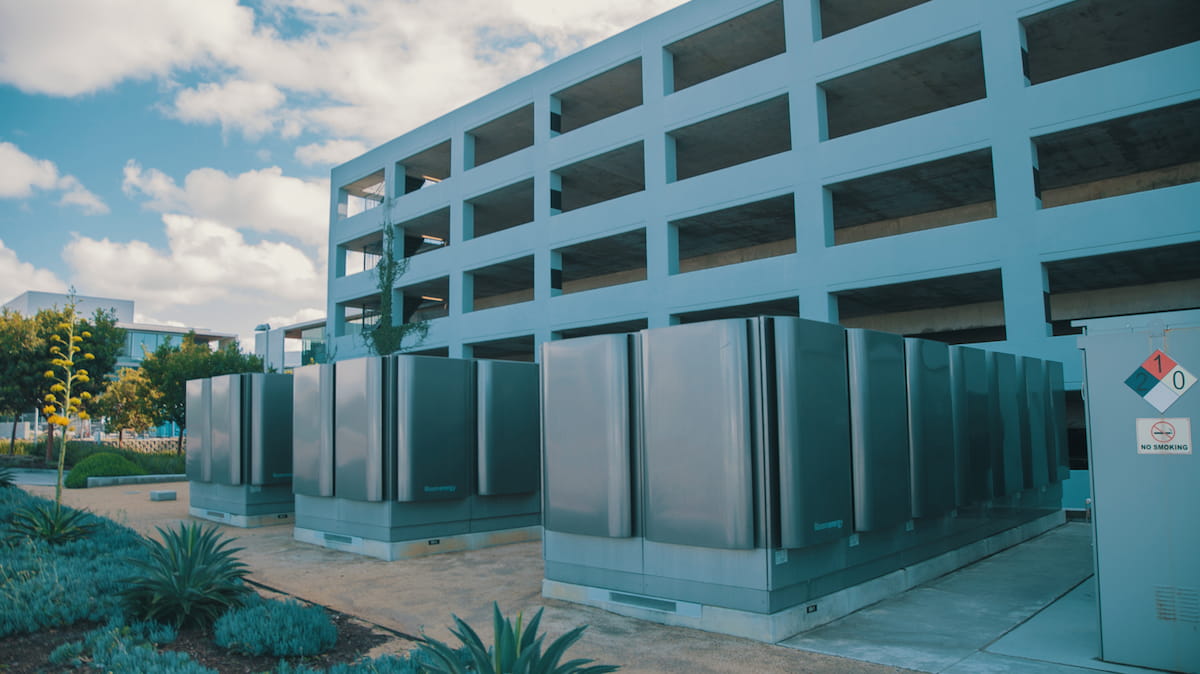
A Bloom Energy power generation system. Photo from Bloom Energy website
Bloom Energy Corporation (NYSE:BE) offers speed. Its systems can be installed on-site, reducing dependence on slow transmission projects and helping data centers obtain reliable power sooner. If AI demand keeps outrunning the grid, the company can turn its manufacturing platform into a central infrastructure solution. The bear case is execution at unprecedented scale. Equipment costs, fuel availability, service obligations, and project-specific economics will determine whether deployments create durable margins rather than merely large order headlines.
Brookfield Asset Management Ltd. (NYSE:BAM) brings capital formation and asset expertise. It can choose projects, structure financing, and earn fees without manufacturing the equipment itself. A $25 billion framework expands the universe of potential assets and gives Brookfield access to long-lived infrastructure demand. However, capital is deployed only when projects meet contracts and underwriting criteria. Brookfield still bears financing, construction, counterparty, and asset-performance risks through participating vehicles.
The partnership works because each side absorbs a different part of the problem. Bloom supplies technology and accepts manufacturing and performance risk. Brookfield organizes capital and accepts underwriting risk. Customers must still sign viable contracts. Investors should therefore resist adding the framework ceiling to either company's backlog. The opportunity becomes valuable one approved project at a time, with disciplined underwriting and execution.
Hedge funds were moving in opposite directions in the second quarter. Brookfield ownership fell to 32 funds in the second quarter from 39, while Bloom ownership rose to 116 funds from 91. Millennium Management increased its Brookfield stake 614% to 1.5 million shares, and Value Aligned Research Advisors raised its Bloom position 22% to 5.6 million shares. As of August 14, 18.3 million Bloom shares were sold short, equal to 6.39% of the float and 1.4 days of trading volume. The framework puts both stocks near AI's power bottleneck. Bloom has the sharper revenue upside, Brookfield has the more diversified economics, and neither escapes the risk that a headline maximum takes years to become funded assets.
Topics in this story
Gathered from external sources. Rights to this text belong to whoever originally published it.