1 in 4 NFL players suffer from brain disease. Where is the accountability?
Almost anywhere else, we would call it a public health crisis, an occupational safety crisis and, quite possibly, a mass tort. In the NFL today, we just call it football.
I have written about the NFL before, often critically. Several years ago, I wrote about the league’s use of “race-norming” in evaluating dementia claims by former players. That piece, published in The Independent , helped shape thinking around the topic.
I have also spent plenty of time talking about football on the radio, including as a regular guest on regional ESPN radio. I love the sport. I understand why people love it. I understand why autumn Sundays occupy the place they do in American culture.
So I’m not coming for football here. I am asking a much more uncomfortable question about the NFL: How is this OK?
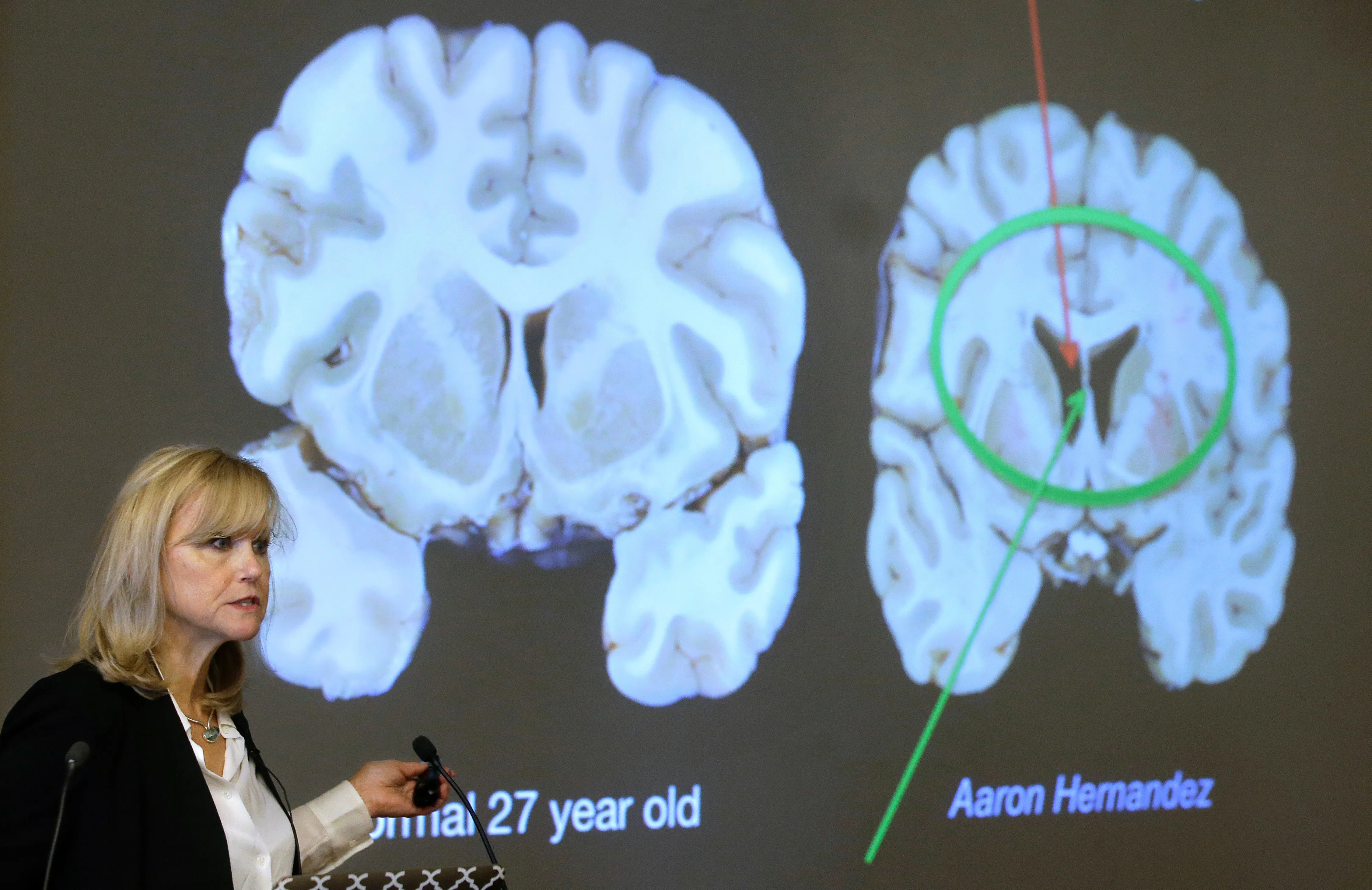
This week, the New York Times published a remarkable piece by John Branch, who has been reporting on chronic traumatic encephalopathy for more than 15 years. The headline should be enough to get anyone’s attention: “Study’s Alarming Finding: At Least 1 in 4 N.F.L. Players Gets Brain Disease.”
The underlying numbers are even harder to shake. Researchers looked at every former NFL player known to have died from 2016 through 2021. There were 878. At least 215 had the brain disease known as chronic traumatic encephalopathy — 24.5 percent.
Because most of those players’ brains were never examined, one in four is essentially the floor. The actual prevalence could be substantially higher.
I look at that number partly through a legal lens, because I have spent much of my career around lawyers and the civil justice system. But I also look at it just as a person who loves sports. From either perspective: How is this OK?
Imagine an American company where at least 25 percent of former workers developed a progressive neurological disease associated with something they were repeatedly exposed to on the job.
There would be investigations. Scientists would study the exposure. Lawyers would ask what the company knew, when it knew it and what could have been done differently. Plaintiffs’ lawyers would look for people with similar injuries arising from a common exposure.
We have a name for that kind of litigation: mass tort . But if you put helmets on the workers, add 70,000 screaming fans and sell the television rights for billions of dollars, our expectations somehow change.
Football is obviously a dangerous sport, like many other jobs. But we don’t tell construction workers who fall from unprotected heights that they knew construction was dangerous. There is a difference between assuming the ordinary risks inherent in an activity and accepting preventable harm.
An NFL player knows someone weighing 260 pounds might tackle him. Does that mean he has agreed to spend the final decades of his life with a degenerative brain disease?
We have been here before with the NFL. When I wrote about race-norming, the problem wasn’t football. It was institutional decision-making. Black former players seeking compensation under the NFL concussion settlement could face race-based assumptions when their cognitive impairment was evaluated. The NFL eventually abandoned the practice .
That episode left me with a lesson I have not forgotten: When the NFL creates the framework through which football-related harm is understood, we should pay very close attention to the framework.
Brain injury makes that especially important, because researchers increasingly understand the risk.
Dr. Daniel Daneshvar, lead author of the new study, told the Times that the biggest predictor of chronic traumatic encephalopathy is the cumulative force of head impacts over a lifetime. More importantly, that cumulative force can be changed. He points to eliminating hits during practices and keeping children away from tackle football.
Nobody reasonably expects the NFL to make football perfectly safe. The question is whether the league is doing everything reasonably possible to reduce an occupational exposure associated with devastating neurological consequences.
This is, after all, a league that reportedly generated more than $23 billion in revenue in 2024. It has the money, scientific access and influence to lead change throughout football.
Maybe some changes would alter the game. Fine. Industries change when we learn that the way they have traditionally operated is hurting people. Why should the NFL be entitled to an exemption?
But maybe this isn’t only an NFL problem. Maybe it is an us problem.
The league puts all the games on television. We watch them. A player takes a brutal hit, gets up slowly, and 30 seconds later we are wondering whether he will return for the next series. Eventually he retires and disappears from our television. If his family is dealing with his memory loss, confusion or personality changes 15 years later, most of us will never see it.
The product is designed around Sundays, but the consequences last a lifetime.
And now the New York Times has given us a number we can no longer comfortably ignore: at least one in four.
If one-quarter of workers at a chemical manufacturer developed a degenerative neurological disease associated with their occupational exposure, America would lose its mind. If a certain product caused numbers like these, lawyers would be filing lawsuits across the country. Almost anywhere else, we would call it a public health crisis, an occupational safety crisis and, quite possibly, a mass tort.
In the NFL today, we just call it football.
I love football. That’s precisely why I don’t think that answer is good enough anymore.
Aron Solomon is chief strategy officer for AMPLIFY and has taught entrepreneurship at McGill University and the University of Pennsylvania.
Topics in this story
Gathered from external sources. Rights to this text belong to whoever originally published it.