Is Tom Brady influencing NFL referees from the FOX booth? Hall of Famer raises a troubling possibility
Tom Brady’s move from the NFL field to the FOX broadcast booth has brought a new set of questions about his role in the game.
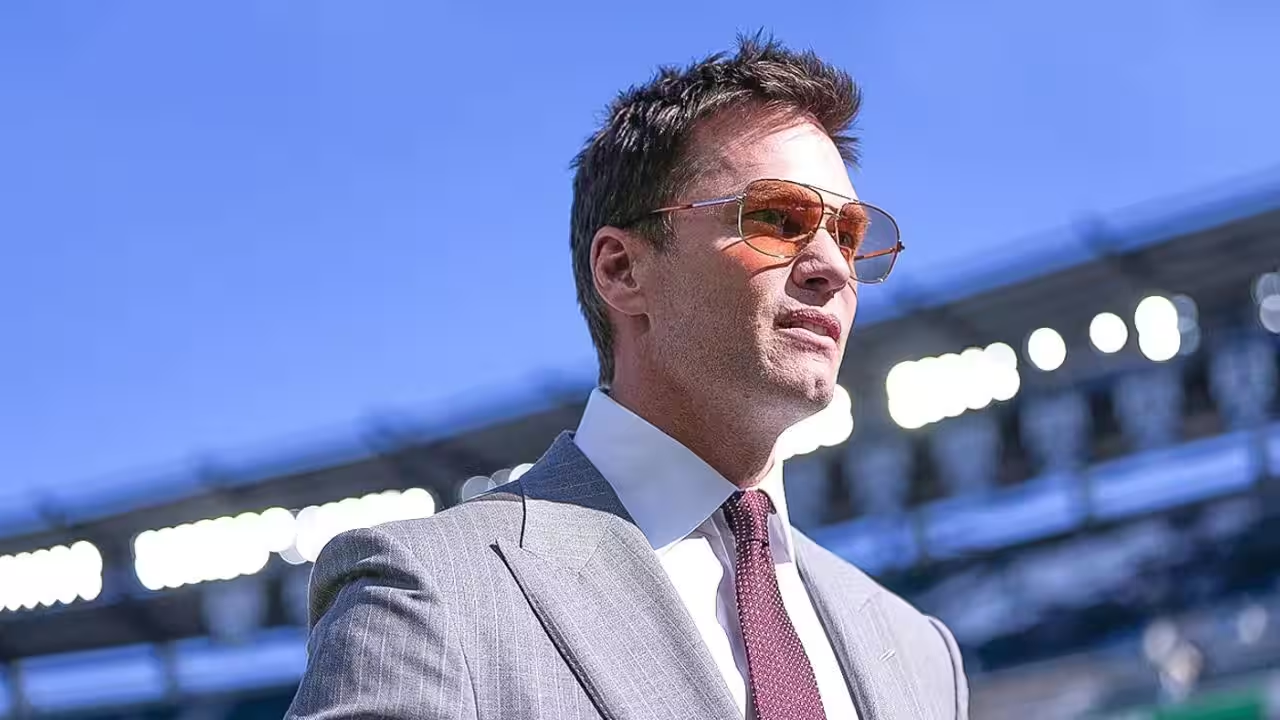
Tom Brady’s move from the NFL field to the FOX broadcast booth has brought a new set of questions about his role in the game. The seven-time Super Bowl champion is now a broadcaster and a minority owner of the Las Vegas Raiders, a combination that has drawn attention to his position around the league. Hall of Fame wide receiver Cris Carter has raised concerns about whether Brady’s presence in the booth could influence how officials approach games. The suggestion puts the spotlight on a sensitive issue for the NFL: maintaining trust in its officiating while one of its biggest stars works in television.Cris Carter questions Brady’s influence on NFL officialsCarter’s concerns touch on a difficult question for the league. Brady spent more than two decades as one of the NFL’s most influential players, and his move into broadcasting has not removed him from the wider football business. His role with FOX gives him a national platform, while his ownership stake in the Raiders places him inside the league’s business structure.That combination makes his position different from that of a typical former player turned analyst. Brady has access to the game through his broadcasting work, but he also has a financial interest in an NFL franchise. Even without evidence of improper conduct, that overlap can invite scrutiny when questions about officiating arise.The distinction between influence and proven interference is important. A respected former quarterback may have strong relationships across the league and a deep understanding of how officials interpret plays. That does not establish that referees are responding to his presence or changing decisions because of him.Carter’s comments bring that distinction into focus. Any suggestion that a broadcaster could affect officiating deserves careful examination, but the claim needs evidence before it can be treated as more than a concern. NFL referees make decisions under intense pressure, with their calls reviewed by fans, teams and analysts after almost every major game.Tom Brady’s FOX role creates a wider question for the NFLBrady’s broadcasting position has already required the NFL to consider how his different roles fit together. His transition into the booth came with restrictions linked to his ownership position, including limits on certain team-related activities and access to competitive information. Those safeguards reflect the league’s need to protect its competitive balance and avoid situations that could create conflicts of interest.Officiating adds another layer to that debate. Referees must be seen as independent, not simply make fair decisions. Public confidence can suffer when fans believe a prominent figure has an advantage that other teams or broadcasters do not enjoy.Still, a high-profile voice discussing a call on television is not the same as influencing the official who made it. Establishing a connection would require specific evidence, such as communication with officials or documented changes in how a game is handled. Without that, the suggestion remains unproven.For FOX, the issue also carries reputational weight. Brady is a major part of its NFL coverage, and his experience gives viewers insight that few analysts can match. But the network and the league have reasons to keep his broadcasting work clearly separate from his ownership responsibilities.Carter’s warning therefore raises a question bigger than Brady himself. As former players take on broadcasting, ownership and other league roles, the NFL must show that its rules are strong enough to keep those interests apart. Brady’s profile makes the debate more visible, but only credible evidence can determine whether there is an actual problem with officiating.Get the latest Sports News and Live updates. Download the TOI app.
Topics in this story
Gathered from external sources. Rights to this text belong to whoever originally published it.