The NFL May Be Approaching the Breaking Point of the 17-Game Season
When the league expanded the schedule in 2021, it went from 16 to 17 games came with one fewer preseason game. Five years later, it is fair to wonder whether...
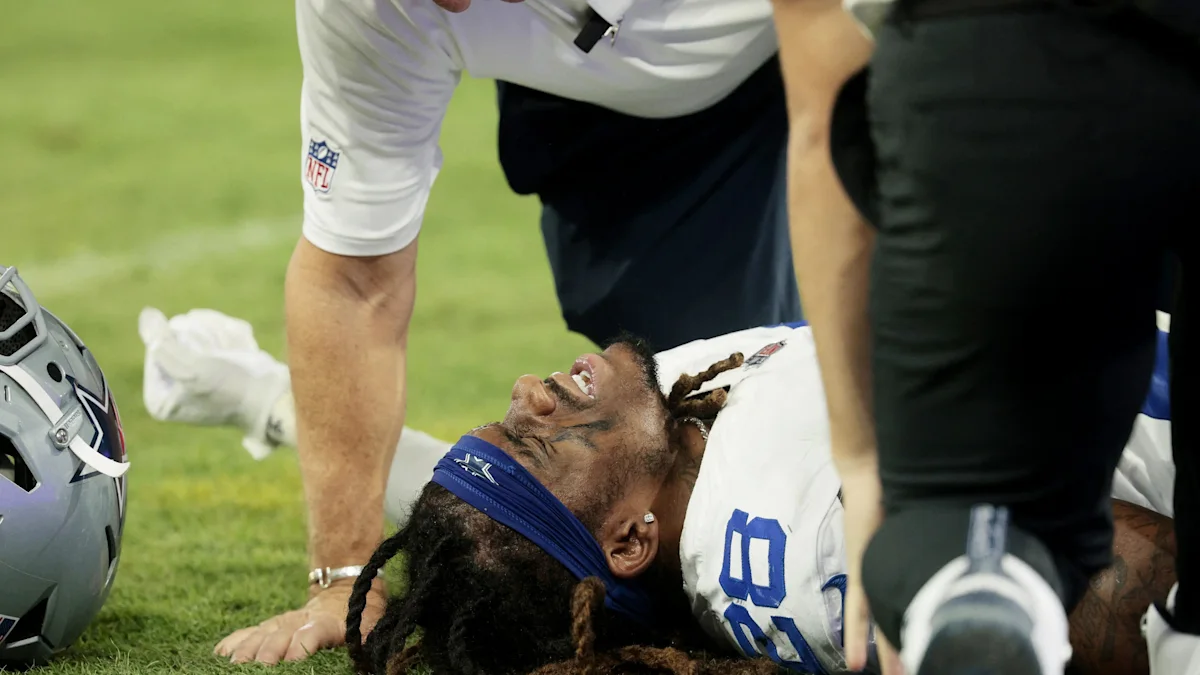
What it may not have fully accounted for was everything that comes with asking the same basic roster to survive a 17-game season.
When the league expanded the schedule in 2021, it made the first change to the regular season since 1978. The move from 16 to 17 games came with one fewer preseason game, but the basic structure of an NFL roster remained largely familiar. Teams still build around a 53-man roster and, under current rules, generally dress 47 or 48 players on game day.
Five years later, it is fair to wonder whether the 17-game season has outgrown the roster designed to survive it.
One additional game doesn't sound dramatic.
It is only 60 more minutes of football, after all. Except it isn't.
Another game means another week of practice, another week of players managing existing injuries, another round of collisions, and another opportunity for something that was merely sore in September to become something far more significant by December.
The postseason makes the equation even more demanding. A team reaching the Super Bowl can play as many as 21 combined regular-season and playoff games. That is a long way from the NFL schedule players once navigated.
The league partially compensated for the 17-game season by reducing the preseason from four games to three. That limits some unnecessary August exposure, particularly for established starters. But preseason snaps and regular-season snaps aren't interchangeable.
The 17th game is different from the preseason game that disappeared when the NFL expanded the schedule. Nobody is protecting starters in Week 18 because the result doesn't count. For some teams, that game decides whether there will even be a Week 19.
The 17-Game Season Has Put More Pressure on 53 Players
The NFL didn't suddenly become an injury-plagued sport when the schedule expanded. That's too easy an argument to make, and probably the wrong one.
Look instead at what happens to the bottom half of a roster over four months.
An offensive lineman who was signed to play guard may end up at center. The swing tackle gets thrown into the lineup. A defensive back gets promoted from the practice squad on Saturday and is covering kicks on Sunday. By late in the year, teams are signing players who weren't part of the original plan at all.
Some of that happened when there were 16 games, too. The difference with a 17-game season is that there is now another week to get through before the playoffs even begin.
And 53 isn't really 53 on Sunday. The game-day limit leaves coaches with 47 or 48 active players. Take out the specialists, backup quarterback, and players whose primary jobs are on special teams, and the available depth gets eaten up quickly.
That's one reason offensive line versatility has become so valuable. A reserve who can play center and both guard spots solves more problems than a player who can only do one thing. It isn't necessarily because he's the better player. Sometimes he's simply the player a 53-man roster makes easier to keep.
The 17-game season gives teams one more week for those compromises to catch up with them.
The 17-Game Season Could Change the Value of a Backup
Maybe the bigger adjustment needs to happen before anybody gets hurt.
NFL teams have already done this with defensive linemen. They rotate. A starting defensive tackle doesn't need to play every snap. Nobody looks at 45 snaps instead of 65 and assumes he's been demoted.
Teams decided a fresh defensive lineman can be more useful than squeezing every possible snap out of the starter.
Running backs have gone through something similar. The days when every team wanted one back, carrying the ball 350 times, are mostly gone.
That thinking is harder to apply elsewhere.
Nobody is voluntarily sitting a healthy left tackle for two series in a close game. Quarterbacks certainly aren't rotating. If a receiver is clearly better than the guy behind him, coaches want him on the field.
That's understandable. Coaches aren't paid to have the healthiest roster in January. They have to win the game in front of them first.
But over a 17-game season, those snaps add up.
At some point, having a capable second player at a position may need to become more than protection against an injury. It may become part of how teams get through the year.
There is a problem with saying the NFL should simply expand rosters.
Five more players mean five more salaries.
Unless the salary cap changes with the roster limit, teams would still be working with the same pool of money. A bigger roster filled with minimum-salary players doesn't automatically solve a depth problem.
There are other ways the league could approach it.
Additional roster spots could be treated differently against the cap. Injured reserve rules could become more forgiving for shorter-term injuries. The NFL could expand the number of players available on game day without making a dramatic change to the 53-man roster.
A second bye week deserves to be part of the discussion, too.
There probably isn't one fix because there isn't one problem. Teams need enough players, enough money to keep those players, and enough recovery time to make the whole thing useful.
The 17-game season has been around long enough that it already feels normal. An 18th game wouldn't feel normal immediately.
That would potentially put a Super Bowl team on the field 22 times between the regular season and postseason. Think about that from the perspective of an offensive lineman who rarely leaves the field.
That's a lot of snaps before even counting practices.
If the NFL eventually goes there, adding another bye would make sense. So would another look at roster limits.
The league could also force teams to adjust naturally. Coaches might become more willing to rotate players. General managers might spend differently, putting more money into the 30th through 45th players on the roster instead of concentrating so much of it at the top.
But there is a reason that hasn't happened already.
A coach isn't going to take his best tackle off the field in a three-point game because he might need him four months later. That's a nice idea until the backup gives up a sack and the team loses.
The NFL created a longer season, but coaches still have to survive it one Sunday at a time.
The 17-Game Season Isn't Going Back to 16
Another regular-season game means another weekend people watch football. It means another home game every other year for each team. It means another television window the NFL can sell.
Sixteen games aren't coming back. We will have a 17-game season for the foreseeable future.
So the interesting discussion isn't whether the league should undo the 17-game season. It's whether everything surrounding the schedule should continue operating the same way.
The NFL has changed plenty in the name of player safety. Rules have changed. Equipment has improved. Practice time has been reduced and regulated.
Maybe roster size and rest eventually belong on that list. No rule is going to keep every player healthy. Neither will five additional roster spots, nor another bye week. Football doesn't work that way.
But there's a big gap between eliminating injuries and giving teams a better chance of handling them. Right now, too many seasons eventually become a test of who still has enough healthy players left.
Maybe the 17-game season isn't actually too long. Maybe 53 players aren't enough for it. That's a different argument, and it becomes a much bigger one if the NFL ever adds an 18th game.
The league doesn't need to tear up its entire roster system. A few more spots could help. So could another bye, different injured reserve rules, or more flexibility with the players available on Sundays.
There will always be attrition in football. Nobody is changing that.
But the NFL changed the length of its season five years ago from 16 games to a 17-game season. Eventually, it may have to change the roster built to play it.
Topics in this story
Gathered from external sources. Rights to this text belong to whoever originally published it.