Brock Lesnar controversy beyond WWE: How legal disputes, UFC doping violations, and serious allegations affected his public image, career and future in professional wrestling through years of scrutiny and backlash
Explore Brock Lesnar's controversial career, from legal disputes and UFC doping violations to allegations affecting his WWE legacy. Understand how these issues shape public perception of the wrestling icon.
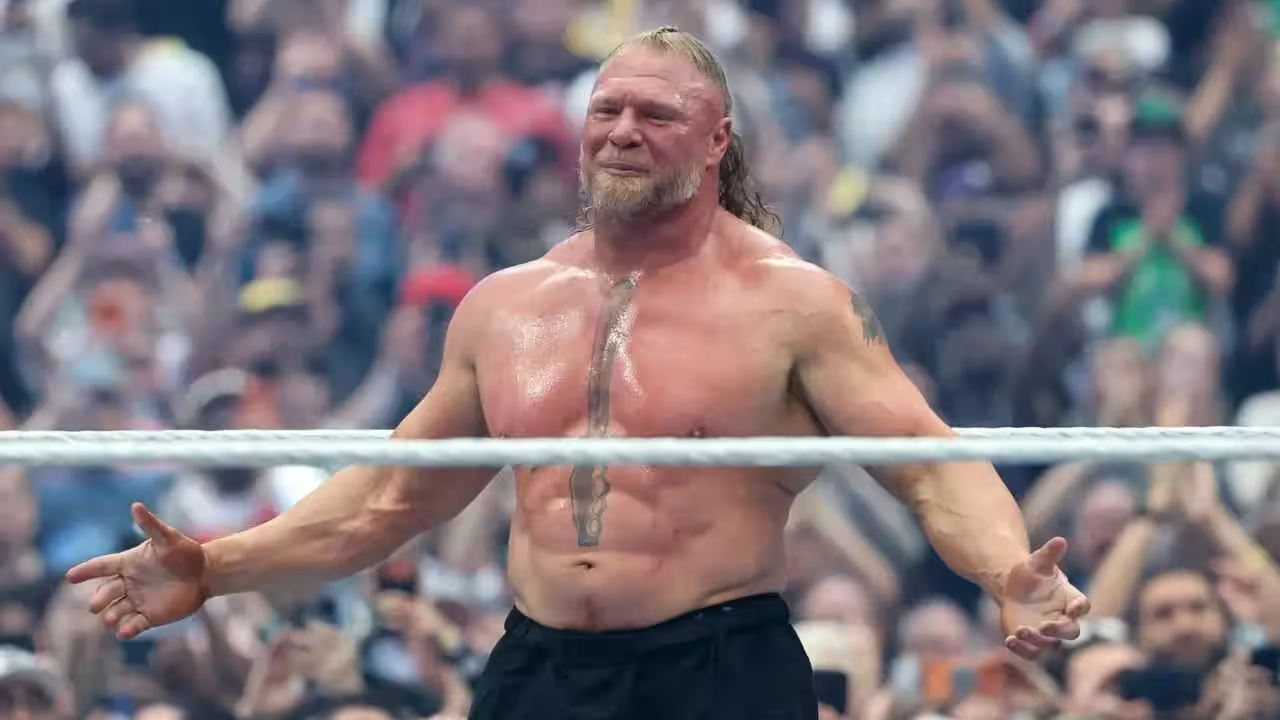
Brock Lesnar is best known for his career in pro wrestling and mixed martial arts, and his intimidating presence, championship record and reputation as one of combat sports’ most physically dominant competitors have made him a big draw for both WWE and UFC audiences. But his career has also been marred by quarrels and events that have drawn attention beyond his performances.Some controversies have resulted in formal sporting penalties or legal actions, and others have revolved around allegations that are contested and unresolved. That distinction plays a role in Lesnar’s public persona. His UFC disciplinary case, his prior WWE dispute, and his name in the Janel Grant lawsuit are all separate matters, each with its own implications for his reputation and professional future.Brock Lesnar’s major controversies beyond the WWE ringLesnar’s career has involved more than championship victories and memorable rivalries. While some incidents had direct consequences for his career, others became subjects of public debate because of their connection to major organisations and prominent figures.One of Lesnar’s earlier major disputes involved WWE after he departed from the company in 2004. Having established himself as a leading wrestling attraction, Lesnar left WWE to pursue a career in professional football. Grant’s amended complaint, filed in January 2025, identified Lesnar by name and alleged that McMahon attempted to use her as an inducement during contract negotiations involving the wrestler.The complaint alleged that McMahon requested personalised sexual content from Lesnar and attempted to arrange an encounter between them. Lesnar was not named as a defendant in the case, and his appearance in the complaint should not be confused with being formally sued or charged with a crime.The allegations nevertheless placed Lesnar under renewed public scrutiny because of his association with WWE’s former leadership. The case also raised wider questions about the workplace environment and the responsibilities of organisations when allegations involve prominent performers.Why Brock Lesnar’s UFC doping violation attracted attentionLesnar’s mixed martial arts career produced another significant controversy in 2016. After returning to the UFC for UFC 200, he defeated Mark Hunt by unanimous decision. However, the result was subsequently overshadowed by a failed drug test connected to the event.The Nevada State Athletic Commission found that Lesnar had tested positive for clomiphene, a prohibited substance. The commission overturned his victory over Hunt to a no-contest and imposed a one-year suspension, alongside a $250,000 fine. The disciplinary action became one of the most prominent controversies of his MMA career.The incident attracted particular attention because UFC 200 was a major event, and Lesnar’s return had generated considerable interest, and his victory had initially been presented as a high-profile sporting achievement. But the subsequent ruling changed the official result and affected how the performance was remembered.How public criticism shaped Brock Lesnar’s imageLesnar’s public image has often been defined by his reserved personality and limited engagement with media outside promotional appearances, and his blunt responses and occasional confrontational exchanges with reporters have also contributed to a polarising reputation.Others have embraced the image of a fierce competitor who lets his work do the talking, a perception enhanced, for some fans, by his more staid public persona. Others have read his position as a dismissal, particularly when public controversies have required further clarification.That criticism is not equivalent to formal discipline or legal findings. It’s still shaped the way audiences talk about Lesnar outside of his in-ring achievements. His commercial worth and popularity have been accompanied by debate about his behaviour, public utterances and decisions of the organisations that employ him.How public scrutiny has shaped Brock Lesnar’s WWE futureThe allegations in Grant’s amended complaint had a direct impact on Lesnar’s WWE status. Following the original lawsuit in January 2024 and the subsequent identification of Lesnar in the amended filing, he was absent from WWE programming. Reports at the time indicated that planned creative appearances, including a proposed Royal Rumble return, had been dropped.His absence created uncertainty about whether WWE would bring him back. That changed at SummerSlam on August 3, 2025, when Lesnar returned following the main event between John Cena and Cody Rhodes. He entered the ring and delivered an F-5 to Cena, creating a major closing moment for the event. The appearance confirmed that WWE had brought him back to its programming, but it did not mean that the allegations had been withdrawn or resolved.What Brock Lesnar’s controversies mean for his WWE legacyLesnar’s return generated strong reactions because the timing placed WWE’s entertainment plans alongside the continuing controversy surrounding Grant’s allegations. Her legal representatives criticised the decision, arguing that the company had not done enough to ensure accountability. The response highlighted the reputational challenge facing WWE when bringing back a major performer whose name appears in a serious civil complaint.His ability to attract attention has been central to his position as a special attraction. However, the response to his return demonstrated that audience reactions cannot be measured only through ticket sales, television ratings or the excitement generated by a surprise appearance.His legacy is therefore shaped by two contrasting parts of his career. Inside the ring, Lesnar established himself as a dominant performer across professional wrestling and mixed martial arts. Outside it, legal disputes, a formal UFC anti-doping penalty and serious allegations have repeatedly brought his conduct and professional associations into focus.It is also important to distinguish the legal status of the different controversies. The UFC case resulted in a formal sporting sanction, while the earlier WWE contractual dispute ended in a settlement. Grant’s allegations, by contrast, remain allegations in a civil case in which Lesnar is not a defendant. Treating these matters as equivalent would overlook the different evidence and outcomes involved.Ultimately, Lesnar’s future in WWE will depend on the company’s creative plans, his own decisions and how the wider controversy continues to develop. His achievements remain a major part of wrestling history, but public discussion of his career is unlikely to be limited to championships and memorable performances. The scrutiny surrounding his name has become an important part of the conversation about his professional legacy.Get the latest Sports News and Live updates. Download the TOI app.
Topics in this story
Gathered from external sources. Rights to this text belong to whoever originally published it.