The Brewers were already great. Now, they’re undeniable
It was a long time coming but the Milwaukee Brewers now have the World Series championship their franchise has so richly deserved.
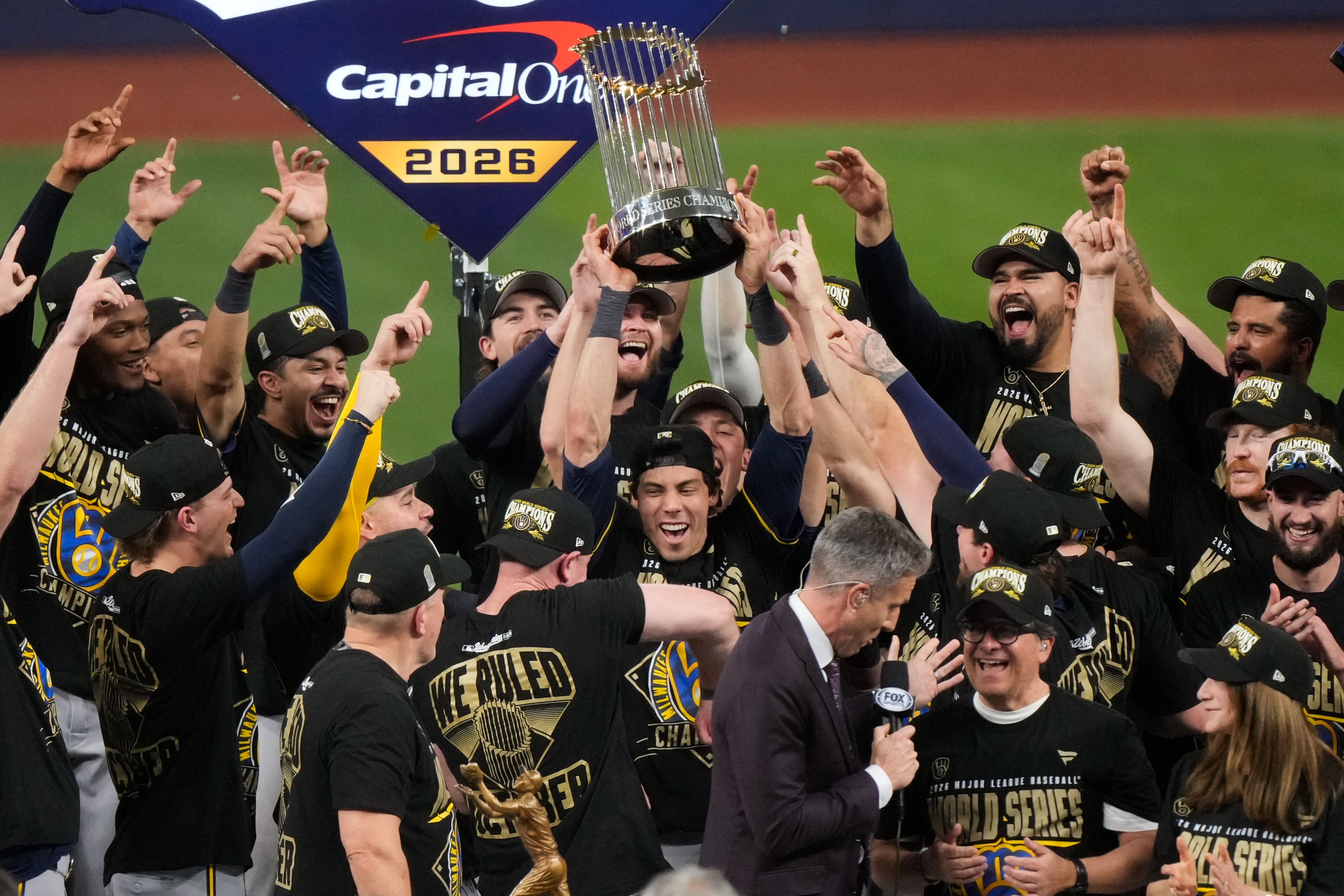
When he walked off the mound, looking bothered but also somewhat bemused about a cramp that cut short his second World Series start, Jacob Misiorowski was treated to a standing ovation in two different stadiums. In Tampa, where he left after five-and-two-thirds scoreless innings, Brewers fans had invaded the opposing ballpark so thoroughly and loudly that the team might as well have been wearing white and batting second. Back in Milwaukee, watch parties at the team’s home ballpark sold out in minutes, with the $15 tickets re-selling for close to $300. The smallest media market in Major League Baseball made itself heard and seen and known en route to celebrating their first World Series championship. Brewers fans might have been the only ones who saw it coming. Shame on the rest of us. We call it the World Series, so perhaps it’s no wonder that the winner is often treated like a referendum to be critiqued on a global scale and not a champion to be beloved by the city it represents. Sports fans say they want the conclusive catharsis of a clear champion, but in truth it often seems we want the controversy of something more ambiguous. The appeal of sports is their ostensibly level playing field; the intrigue is in the gritty texture that reality tends to reveal. Thank goodness, millions of neutral fans said when the Dodgers were eliminated – and then a lot of them tuned out. There would be no big bad villain whose success makes the sport seem stacked against your favorite team. No national crisis of competitive imbalance. No compelling argument for an economic overhaul of the entire industry. Just a deserving champion. The Milwaukee Brewers won what was, ultimately, a bit of a boring World Series in five games. They won it for themselves, each other, and a fanbase that has never seen a championship. The only drama stemmed from the other team managing a single victory in the face of such undeniable dominance. In every matchup during this postseason, the team with the better record prevailed. In the end, the team with the best record was left standing. The team with the highest collective batting average, the soon-to-be Cy Young Award winner, and the reigning two-time Manager of the Year turned out to be pretty great. They won fair and square and in spite of MLB’s payroll disparity. There is nothing left to debate. (In a baseball sense; a knock-down, drag-out labor battle still lies ahead.) A bunch of gamers When they toppled the Dodgers – who were presumed to be on path to a title three-peat from Opening Day all the way until they were swept – manager Pat Murphy called his guys gamers in juxtaposition to L.A.’s Hall of Famers. It was an instant classic of a quote, a brilliant bit of marketing, and a surprisingly accurate description of what the Brewers do well for something so reductionist. And yet, the implication – that the Brewers are categorically underdogs – was ultimately rendered moot by what they did next. Misiorowski set a World Series record for speed on the first pitch of Game 1. Aaron Ashby headlined a nearly bulletproof bullpen by setting a postseason record for consecutive scoreless innings. Twenty-two-year-old rookie shortstop Cooper Pratt had a record-setting six-straight hits across the final two games of the Fall Classic. Jackson Chourio set a five-game World Series record with 11 hits. Somehow none of them were the World Series MVP. That honor was ultimately bestowed upon catcher William Contreras, who hit .381 in the series while receiving constant kudos from his pitching staff, for whom he stole an extra 10 strikes through successful Automated Ball-Strike System challenges. It was a World Series for true ball lovers – low on homers, resplendent with action and outs on the basepaths. There were game-saving catches and costly errors. It featured the two top seeds in the postseason and, even when the score was close, it didn’t really feel like the Tampa Bay Rays stood a chance. In the end, the Brewers went 11-2 in October. Against the best teams the 2026 season could throw at them, they looked completely in control. They haven’t lost consecutive games since Labor Day weekend, almost two months ago. Nearly a decade in the making If you just tuned in, this has been a long time coming. Now the captain, Christian Yelich arrived in Milwaukee via a trade from the Miami Marlins in January 2018. The Brewers had never won the World Series and had gone six years without making the postseason. That year, Yelich won the National League MVP; the Brewers won 96 games, the division, and came within one win of the pennant. It was the beginning of one of the quietest stretches of sustained success in recent history. From the start of 2018 through the end of the 2026 regular season, the Brewers won the fourth-most games in Major League Baseball. Before this month, though, it failed to translate to October. They made the playoffs in seven of the last eight years. That whole time, they won 11 combined postseason games. Skeptics and – let’s be honest – probably some fans worried that this was the real problem with baseball’s Haves and Have Nots. Small markets might win on the margins of a six-month marathon; but you need stars to succeed under the bright lights of October. The analytic-minded architect who assembled so much underrated talent left for the biggest market in baseball. The manager who made them more than the sum of their parts left for their division rival to become the highest-paid skipper in the sport. Still, the Milwaukee Brewers won. Each of the past five seasons, more than the year before. On Opening Day, FanGraphs gave the Brewers, who had just won the most regular-season games in 2025, a 2.1% chance to win the World Series. Fourteen teams had better odds. They were perfectly, innocuously, middle-of-the-pack. They went on to win a franchise-record 103 games in the regular season. They won the necessary 11 more in the postseason handily. “It only took four months,” the rookie Pratt marveled, gobsmacked and goofy in the minutes following the final out. It was perfect for how ironic it was. A 22-year-old – who signed an eight-year, $50.75 million contract in April and debuted for the team in June – would say that. He arrived just in time to help the Brewers become an impossible-to-ignore force in the sport. It only took 57 years.
Topics in this story
Gathered from external sources. Rights to this text belong to whoever originally published it.