Loss of legal immigrant caregivers puts America’s seniors at risk
Every lapsed visa or expired protection is a resident who loses the person who knows their routines, care needs and potential risks best.
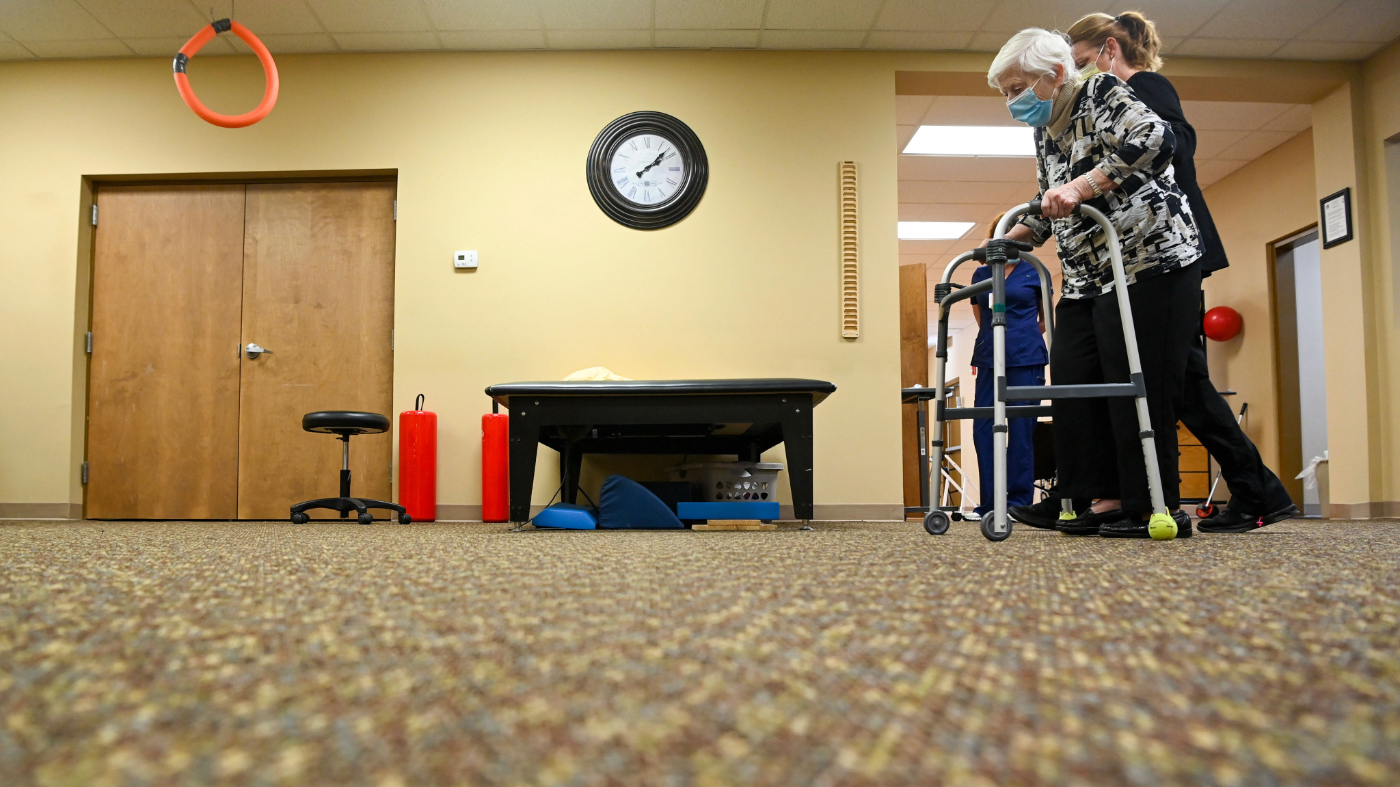
The quality of long-term care depends heavily on appropriate staffing levels and continuity of care, as residents fare best when they are routinely treated by the same trained caregivers who know their needs and notice warning signs.
Many documented instances of elder abuse and neglect trace back to facilities that either lacked sufficient staffing or could not maintain a stable, trained team over time. In fact, that pattern that shows up repeatedly in lawsuits involving vulnerable residents.
What often goes unspoken in these cases is the identity of the caregivers themselves. In skilled nursing homes and assisted living facilities across the country, a large share of the workforce providing hands-on care to aging residents is made up of legal immigrants, including visa-holders, green card-holders, naturalized citizens and workers who hold lawful humanitarian status such as temporary protected status.
That workforce is now shrinking. The elder care industry should move swiftly to address current and future staffing gaps — something it has been slow to address previously.
Roughly one in three home care workers and one in five nursing home workers are immigrants, according to research from Harvard, the Massachusetts Institute of Technology and the University of Rochester. The same research found that, when the immigrant population increases in a metro area, elderly mortality in long-term care facilities measurably declines. This is because a larger immigrant population expands the overall pool of available caregivers rather than displacing native-born workers from a fixed number of jobs.
Additional research analyzed by the Kaiser Family Foundation shows that immigrants make up about 30 percent of direct long-term care workers overall, and 41 percent of home health aides. Further, a significant rise in a given community’s immigrant population decreases the likelihood that an elderly person will be moved into an elder care facility at all, as immigrant caregivers often make it possible for older Americans to remain safely and receive care in their own homes.
When legal immigration pathways are disrupted, facilities lose trained staff overnight, and residents pay the price in broken continuity of care. In an interview with PBS , a senior care leader described facilities losing between 16 and 40 workers overnight when protections such as temporary protected status have lapsed. This occurred not because those workers had done anything wrong, but because their legal status expired and there was no pathway to renew or reapply.
A loss on that scale does not give a facility time to recruit and train replacements before the next shift. The immediate response is almost always for each staff member to absorb more residents, which is precisely the staffing dilution that is a common thread in elder abuse and neglect cases.
This is happening at a moment when the population needing care is growing faster than the workforce that provides them with care. It is pushing facilities toward a staffing crisis that the industry is poorly positioned to absorb. The fallout from these losses is systemic and devastating for the people caught in the middle, as care teams that residents had come to trust are broken apart and residents are forced to adjust to unfamiliar caregivers who do not yet know their needs or history.
Even skilled, well-trained caregivers become less effective under these conditions, because quality care depends on having enough time with each resident to understand their needs and potential risks, not just rely on credentials to do the job. This leaves facilities in a position where they must consider reducing the number of beds they can safely staff or, in some cases, close entire wings of facilities.
Legal immigration pathways are critical to the elder care infrastructure. Providing quality care to the seniors who depend on skilled nursing homes and assisted living facilities requires treating adequate staffing and continuity of care as a critical part of the elder care infrastructure.
Legal immigration pathways for healthcare workers deserve recognition as a necessity for care quality, not a peripheral policy debate. Every lapsed visa or expired protection is a resident who loses the person who knows their routines, care needs and potential risks best.
Lawmakers debating these pathways in the abstract are also, whether they realize it or not, deciding who answers the call button at 2 a.m. in long-term care facilities across the country. That decision will be felt in individual rooms, and by some of our nation’s most vulnerable individuals, long before it ever shows up in a policy report.
Edward Dudensing is the founder and lead counsel at Dudensing Law.
Topics in this story
Gathered from external sources. Rights to this text belong to whoever originally published it.