Kevin Kisner Defends PGA Tour's Decision to Ditch East Lake for TOUR Championship in Major Overhaul
The PGA Tour is fundamentally reshaping its season finale. Starting in 2028, it will split its season finale into two distinct events.
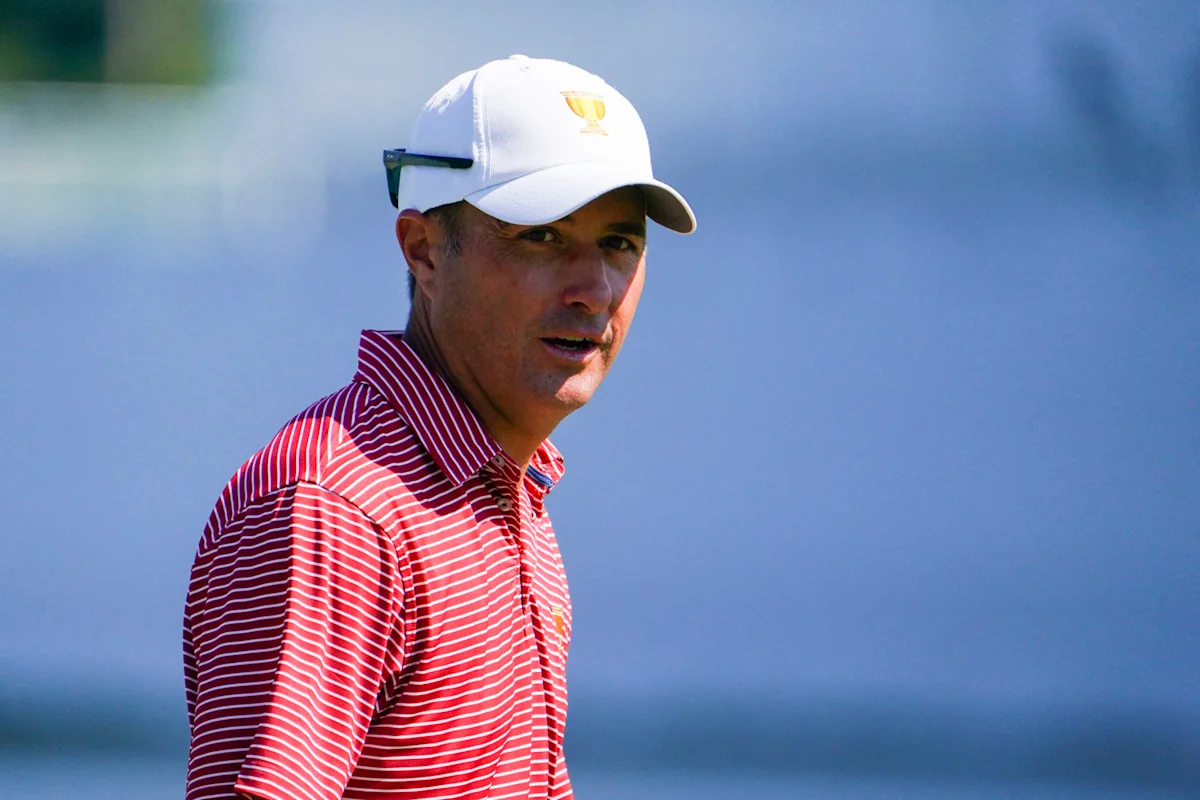
The PGA Tour is fundamentally reshaping its season finale. Starting in 2028, it will split its season finale into two distinct events. It will start with a 90-player stroke-play "Championship Series Finale" that sets the final points list. A separate two-week Tour Championship for the top 32, played entirely in match play at two prestigious venues, will follow that. The format will feature a group-stage week, followed by a 16-player, four-round knockout bracket at a second course. While many are excited about match-play and bigger playoff drama, Kevin Kisner highlighted the philanthropic side, too.
Speaking on the Fore Play Podcast, Kisner revealed how rotating venues can benefit sponsors, hosts, and locals alike. In short, the American professional's two cents on the topic is a player-endorsed rationale for why a single, permanent home in the form of East Lake is no longer the only sensible choice for a two-week climax.
"The fans, the infrastructure, all that goes in place to a PGA Tour event is not on the PGA Tour. It's on the host organization that has to run the whole event, and then in the end and the bottom line, that's the charitable aspect of whatever's left over," Kisner said on the Fore Play Podcast .
"I think that's why there was such a big piece of Brian Rolapp's speech talking about the charitable aspect because he's trying to get ahead of hey if we don't have all that with the local host organization running that we're still going to give to charity in these local areas as part of a new initiative and he started with Tim Finchem who diagnosed with Alzheimer's. He and his wife just gave $13 million out of there as a gift to the PGA Tour for this charitable component."
Brian Rolapp explicitly said the new Tour Championship will "showcase some of the most renowned venues in our sport, including places the modern TOUR has never been before." With this comment, he signaled that iconic, historic clubs could enter the rota even if the Tour hasn't played them in recent years. Besides, he also cited a smaller footprint, limited infrastructure needs, and reduced build-out as positives. All these factors lower the operational burden on the host site and sponsors.
As Kisner noted, the burden of running the event and generating enough revenue to give to charities falls on the host organization. But as operational burden reduces, these organizations can save more, which can eventually go to charities. This is also why rotating venues makes sense. Selling suites and funding infrastructure across two weeks could make it difficult for a single host to absorb the P&L risk. Rotating venues doesn't just mean reduced risk but also increased reach to more charities.
The PGA Tour has already started building on this charitable initiative and philanthropic strategy. It has turned its 501(c)(3) arm, PGA TOUR Charities, into a dedicated platform for direct community investment. The aim is to offer everyone a direct way to connect with the PGA Tour's impact on society. The platform will launch national priority campaigns while preserving the long-standing model in which individual tournaments donate net proceeds to local charities.
As Kisner mentioned, former PGA Tour commissioner Tim Finchem and his wife, Holly, have already donated $13 million to accelerate the initiative. The donation is both a capstone to Finchem's tenure with the PGA Tour and seed capital for the reimagined charitable platform launching in 2028.
With Kisner highlighting that side of the change, the new format could give the Tour Championship a broader impact both on and off the course.
Topics in this story
Gathered from external sources. Rights to this text belong to whoever originally published it.