Dodgers' Shohei Ohtani Addresses His Future as 2-Way Player After Injury-Plagued 2026 MLB Season
Los Angeles Dodgers two-way superstar Shohei Ohtani endured a difficult 2026 season after dealing with left knee inflammation/irritation and right biceps tightness/discomfort. He struggled offensively in the back half of the season and playoffs and didn't pitch after July 3 due to the ailments.
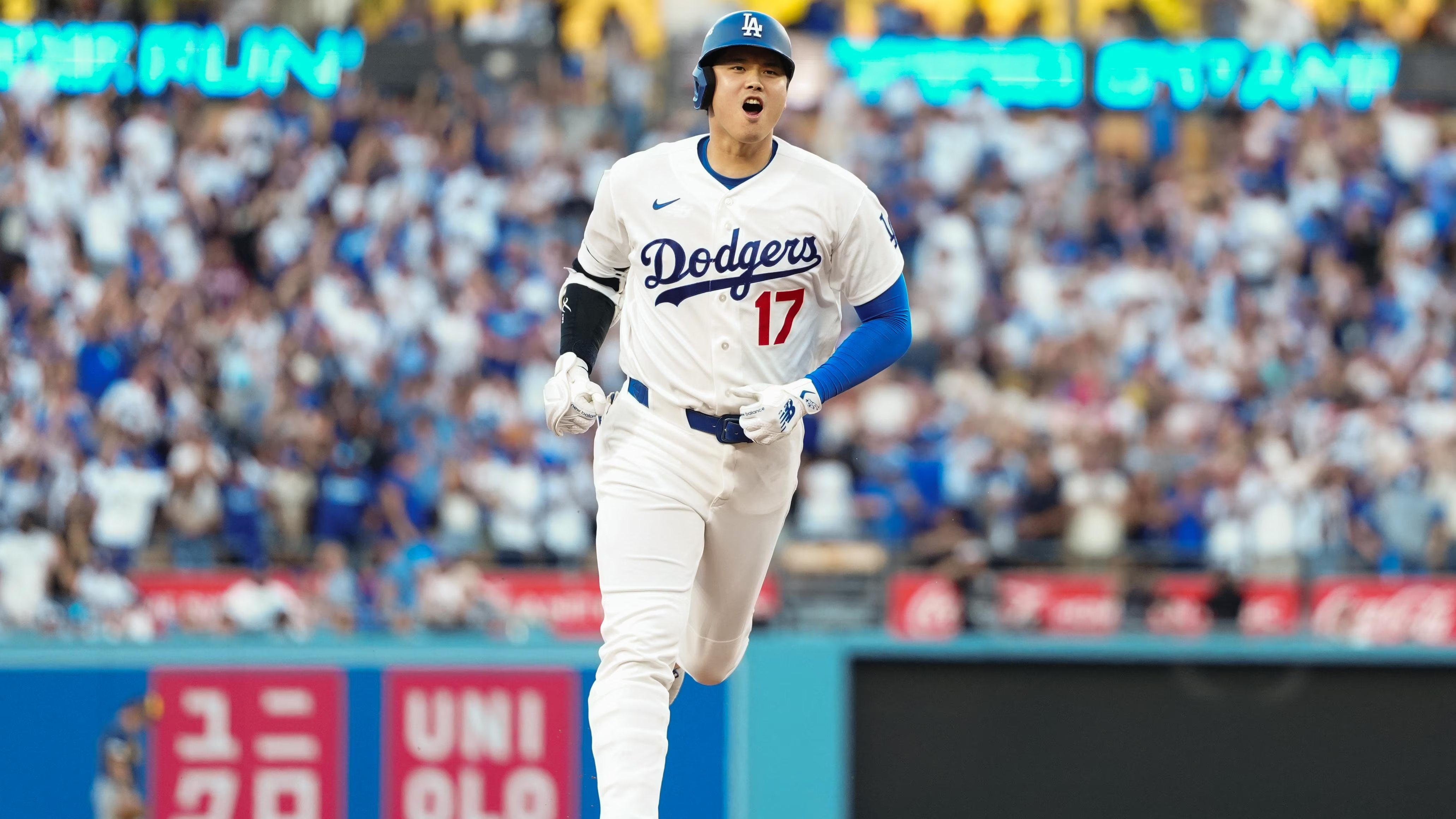
Los Angeles Dodgers two-way superstar Shohei Ohtani endured a difficult 2026 season after dealing with left knee inflammation/irritation and right biceps tightness/discomfort. He struggled offensively in the back half of the season and playoffs and didn't pitch after July 3 due to the ailments.
Ohtani held an online interview session with Japanese media (h/t Bill Plunkett of Orange County Register ) this week, and he was asked what adjustments might be made for him to deal with a tough two-way workload going forward (translation via Naoyuki Yanagihara in Sports Nippon).
"I wonder about that," Ohtani said. "It's a decision the team will make so it's not something that can be decided solely on my own. We have already discussed some aspects of it. It's not that there's only one option but rather that we will continue the conversation with several plans in mind. Unfortunately, we won't be able to do that once the lockout period begins. But I think the question of when and how to proceed with that will be an ongoing discussion going forward."
Buzzer-Beater Predictions Before Lockout 🔮
Ohtani, who finished second in the NL MVP race to Chicago Cubs outfielder Pete Crow-Armstrong, was excellent on the mound, going 8-2 with a 1.79 ERA (0.95 WHIP) and 95 strikeouts in 85.2 innings (14 starts). Unfortunately, he was pulled from a July 3 start against the San Diego Padres due to right bicep tightness and never returned to pitching in 2026.
At the plate, Ohtani still impressed overall and hit .275 (.889 OPS) with 30 home runs and 81 RBI. From Aug. 7 to the end of the regular season, though, he hit just .202 (.666 OPS) with four homers and 11 RBI in 30 games. He endured an injured list stint in September but returned before the end of the regular season. Ohtani's struggles continued in the playoffs, where he hit just .192 (.630 OPS) in eight games.
As far as the future goes, Ohtani made clear that he and the Dodgers are having discussions about the best plans moving forward. However, the current collective bargaining agreement between MLB and MLBPA expires on Tuesday at 11:59 p.m. ET. With MLB expected to lock out the players, all communications between the Dodgers and Ohtani would shut down beginning Wednesday. So time is of the essence to hammer out some plans.
"Nothing has been decided at this point," Ohtani said during the media session. "But the team has several plans and so do I. We're discussing what would be best. The most common point is that we'll definitely be in top condition when October arrives. Not performing enough isn't good – but performing too much is also a risk. So it's a matter of figuring out what kind of condition is best and what quality and quantity would be best for the team.
"As I said earlier, we're going into a lockout so I think this is a time to organize the current discussions and think about what would be best for both sides when the lockout ends."
Ohtani made it clear he is committed to remaining a two-way player. The question is figuring out the "best option" for his workload, "whether it's pushing hard or spreading it out throughout the season."
"I think there are many ways to do it," Ohtani said. "As I said earlier, not doing enough is not good and doing too much is also risky."
The Dodgers and Ohtani have to walk a fine line, but they must do so because Ohtani is a generational talent, and they have to take full advantage of his skill set. The issue, of course, how to do so while mitigating the injury risk.
At the very least, the four-time MVP and two-time World Series champion has a full offseason to recover and move past the 2026 injuries in hopes of a healthier 2027.
Topics in this story
Gathered from external sources. Rights to this text belong to whoever originally published it.