Streeting: Prepare for supply chain disruption from cyber or climate emergencies
The defence secretary warned the public and businesses needed to think about how they would cope with natural disasters and cyber attacks.
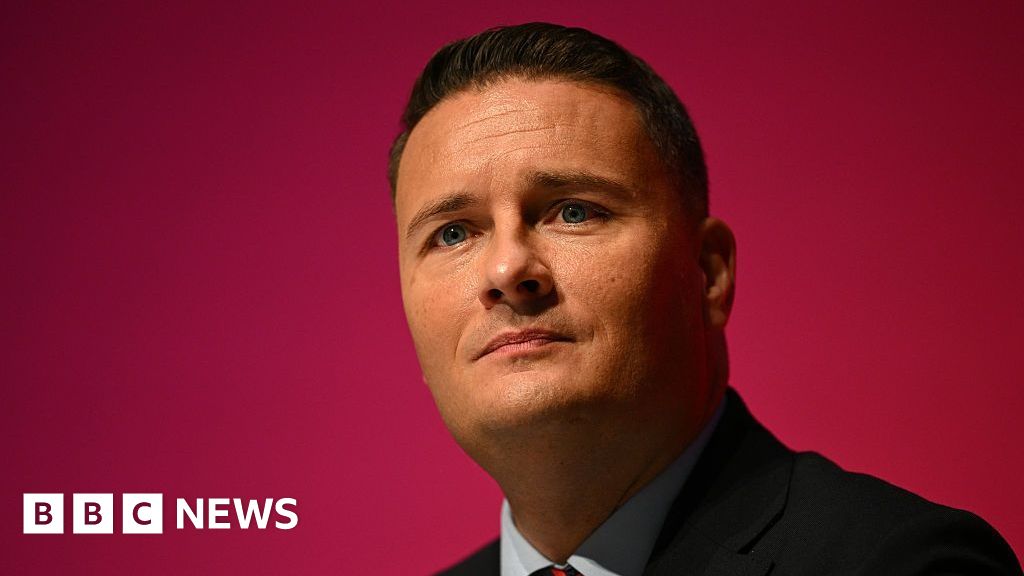
Members of the public and businesses need to think more about how they would cope with natural disasters, cyber attacks or state-sponsored terrorism, Defence Secretary Wes Streeting says.
Streeting warned people needed to be more aware of emerging risks facing the UK and make plans to deal with them.
He added that the government was launching a "national resilience conversation" to raise awareness, including advice for households like stocking up on food, bottled water and first aid supplies.
Last month Environment Secretary Dame Angela Eagle said people should prepare for extreme weather as the strongest El Niño event in a generation develops over the Pacific Ocean.
Speaking to an audience at the UK Gun Hall Plant in Telford on Thursday, where it was announced production of tank gun barrels would return to the UK, he spoke of "everyday challenges" facing households.
He pointed to wildfires burning this summer and with flooding expected this winter.
Streeting said the public need to be prepared for "increasingly sophisticated cyber attacks" on businesses, or supply chain disruption caused by "hostile state actors or terrorists".
"How would we cope if the payment systems at the local supermarket went down?" he said.
"Those are the sorts of everyday challenges and threats that we could well face. And it's right that we ask the country to be ready for those things and to ask everyone to do their bit."
The government hopes to improve the UK's preparedness for emergencies, such as severe weather, which it says can affect services like power, water, phones and the internet.
The "Be Ready" campaign encourages households to stock up on supplies to survive for three days, including non-perishable food, bottled water, a torch, sleeping bags, and first aid items.
It also suggests having a FM radio for updates during outages, and writing down the frequencies of any national or local radio stations you use for news.
Security Minister Dan Jarvis MP said the advice will ensure emergency services can prioritise people who need more support during crises, and hopes it will "improve our resilience as a nation".
It follows on from similar campaigns by European countries, like France, Ireland and the Netherlands, where the advice is a "normal part of everyday life", he added.
Last month, Environment Secretary Dame Angela Eagle said the powerful natural climate phenomenon El Niño will lead to "more extreme storms in this country", and that households should stock up on food to be more resilient.
Her comments came as an National Audit Office (NAO) report warned Britain's food supply chain is vulnerable to plant or human disease outbreaks, cyber-attacks and extreme weather.
The NAO said the Department for Food, the Environment and Rural Affairs (Defra) had not done enough in recent years to improve supply chain resilience, and that UK households are less prepared for emergencies than those in several other countries such as Finland and Sweden.
The government launched its national security strategy last year, which warned that the UK must "actively prepare for the possibility of the UK coming under direct threat, potentially in a wartime scenario".
It said the nation was "in an era in which we face confrontation with those who are threatening security", and referred to Russia's war against Ukraine and "Iranian hostile activity on British soil".
The government said building national resilience meant reducing reliance on others and ensuring UK supply chains and energy security could be maintained "even in times of crisis".
Topics in this story
Gathered from external sources. Rights to this text belong to whoever originally published it.