Congress must close this tariff loophole
Can Congress meaningfully constrain presidential tariff authority when an older, less restrictive statute offers an alternative route to achieve the same goal?
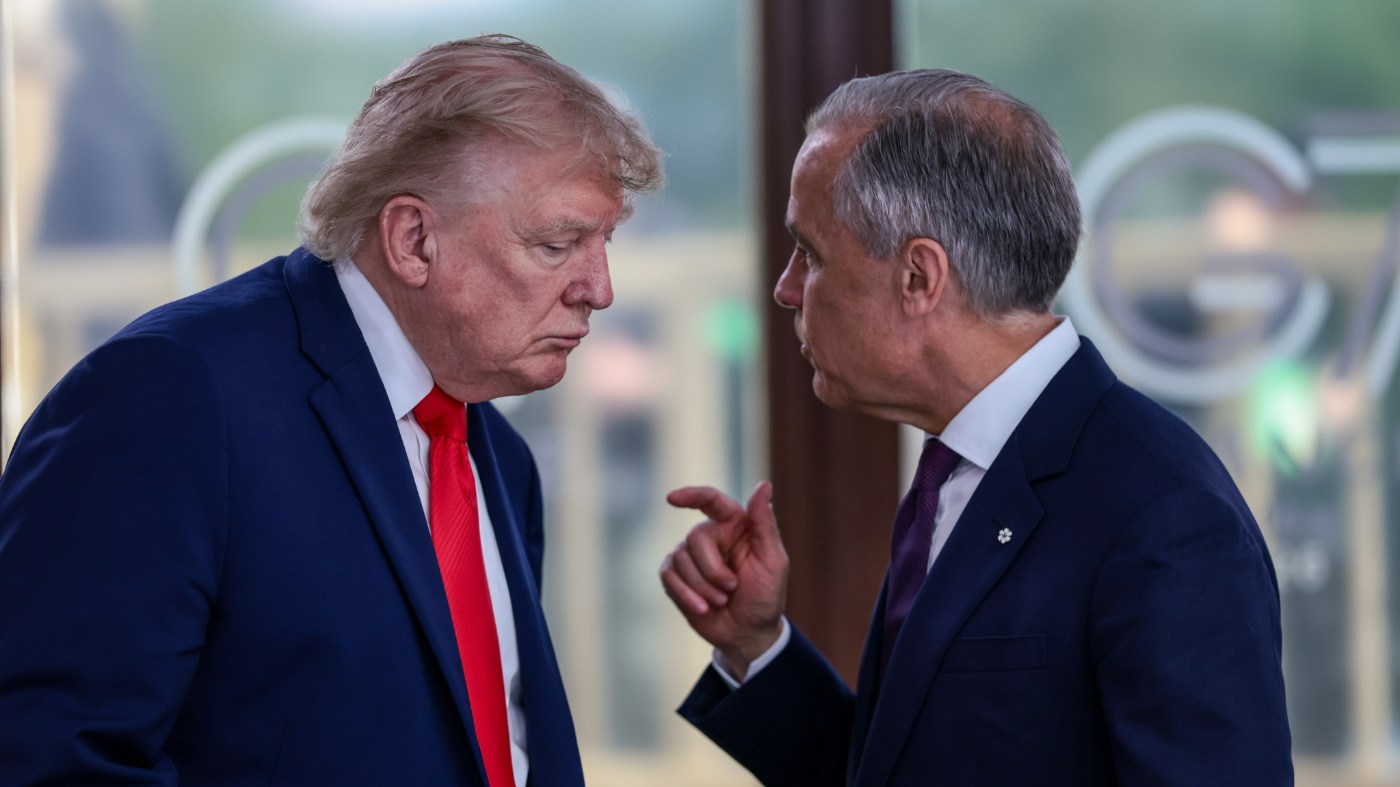
President Trump’s most recent tariffs are headed to court. On Oct. 20, the Liberty Justice Center filed a lawsuit on behalf of Gellert Global Group, an American food importer, challenging his use of Section 338 of the Tariff Act of 1930 to impose tariffs on Canadian goods.
The case exposes a loophole in U.S. trade law that the courts may not be able to close, but that Congress can no longer afford to ignore.
One of the complaint’s main arguments is that Section 301 of the Trade Act of 1974 effectively replaced Section 338. That will be a difficult legal argument to win. But it raises a compelling question: Can Congress meaningfully constrain presidential tariff authority when an older, less restrictive statute offers an alternative route to achieve the same goal?
Section 338 addresses discrimination against American commerce. It authorizes additional duties of up to 50 percent when a foreign country subjects U.S. products or commerce to specified forms of unequal treatment. Those duties must “ offset ” the resulting burden or disadvantage.
Section 301 casts a wider net. It addresses foreign practices that are unreasonable, unjustifiable or discriminatory that burden or restrict U.S. commerce. Discrimination is one form of unfair trade practice, but Section 301 reaches considerably further.
The statutes are therefore not interchangeable. Yet they overlap when foreign discrimination becomes the basis for American retaliation. That’s what is happening with the Canada tariffs.
Congress wrote Section 301 with safeguards. The U.S. Trade Representative generally must investigate the conduct at issue, consult with the foreign government, invite public comment, provide opportunities for hearings and make findings within statutory deadlines. Certain remedies must be equivalent in value to the burden imposed, and enforcement actions face periodic review.
Section 338 has limits as well, including requirements concerning discrimination, offsetting duties and a waiting period. But it lacks Section 301’s comparable investigation, consultation, public participation and review procedures.
This creates a loophole. Why would the president ever proceed under Section 301, with its procedural obligations, if Section 338 produces the same outcome with fewer fetters?
The president i nvoked Section 338 to respond to Canadian measures affecting American alcohol, dairy products and automobiles. Each proclamation imposed the statutory maximum tariff of 50 percent.
The lawsuit challenges whether these measures constitute discrimination within the meaning of Section 338, as well as the administration’s failure to explain how identical 50 percent duties offset the different burdens identified. A court may find that the administration exceeded Section 338’s limits.
But the complaint goes a step further, arguing that Congress effectively displaced Section 338 when it established the more comprehensive Section 301 framework.
That argument faces long odds. Courts strongly disfavor implied repeals. Congress never expressly repealed Section 338, and the statutes address different, albeit overlapping, categories of foreign conduct. The mere existence of a newer, more elaborate remedy does not necessarily supplant an older one. The courts may therefore conclude that both statutes remain available.
But that is precisely the problem that Congress must address.
A court may curtail the administration’s use of Section 338 in this case, but it is unlikely to invalidate the statute itself. That would leave presidents with two routes for responding to certain discriminatory foreign trade practices: one governed by Section 301’s extensive procedural safeguards, the other subject to far fewer.
Congress has several options. It could repeal Section 338, narrow its application or require comparable safeguards when the two statutes overlap. Alternatively, it could clarify which authority governs particular forms of discrimination. Each approach would strike a different balance between presidential flexibility and congressional oversight.
What Congress must not do is leave this balance unresolved.
The courts can enforce limits on Section 338. They are unlikely to resolve the broader relationship between the two statutes through implied repeal. That leaves Congress with a choice: reconcile the authorities or accept that Section 301’s safeguards can sometimes be circumvented.
Congress spent decades placing limits on presidential trade retaliation, but Section 338 offers a potential way around them. Unless lawmakers reconcile the two statutes, presidents may be free to circumvent the safeguards Congress deliberately built into Section 301.
Marc L. Busch is the Karl F. Landegger Professor of International Business Diplomacy at the Walsh School of Foreign Service, Georgetown University.
Topics in this story
Gathered from external sources. Rights to this text belong to whoever originally published it.