Trump is staying out of Saudi Arabia’s war. Americans could pay at the pump
We touched down, hours late, in the scorching Saudi capital after yet another security scare closed the airspace and delayed flights in and out.
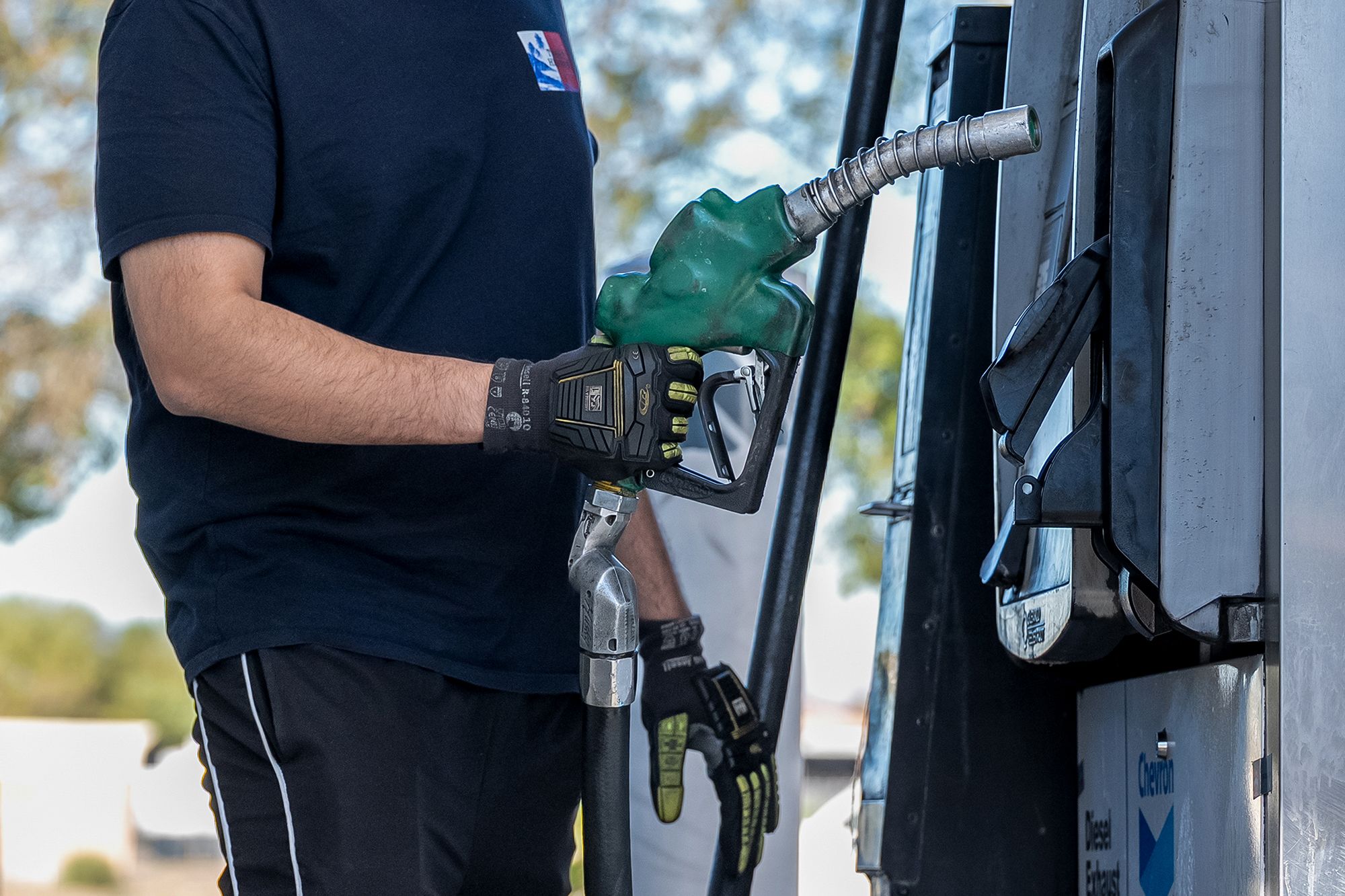
We touched down, hours late, in the scorching Saudi capital after yet another security scare closed the airspace and delayed flights in and out. The hot and dusty city streets were bathed in decorative green light to celebrate National Day, as hundreds of electronic billboards projected the sword and script of the Saudi flag, shown fluttering as if caught in a breeze. Just days before, a plume of thick black smoke could be seen billowing from fuel tanks near the international airport after Yemen’s Iran-backed Houthi rebels targeted Riyadh for the first time in years – a major escalation in a bitter regional conflict that is now having a direct impact in the United States. “For Americans this is immensely serious stuff,” one former Gulf official told CNN. Between conflicts in Iran and Yemen, Saudi’s oil “is now being strangled between two choke points and that will have a ripple effect on prices down the line,” the former official added. Saudi Arabia is, of course, the world’s biggest exporter of crude oil, pouring millions of barrels a day into the global market and giving the kingdom unmatched influence on prices – and, ultimately, on how much Americans pay at the pump. But the US and Israeli war on Iran, launched on February 28, resulted in the partial closure of the Strait of Hormuz, effectively cutting off the kingdom’s most important export route, as well as that of other Gulf Arab states. Now, with the Houthis and other Iranian proxies stepping up their own attacks, Saudi Arabia’s essential backup routes are also under threat – with potentially devastating consequences for the global oil supply and for US consumers who are already enduring historically high prices for gasoline and diesel. “I don’t think America fully appreciates the impact this deteriorating security situation is having, nor the longer-term impact this is likely to have,” said Neil Quilliam, an energy policy, geopolitics and foreign affairs specialist, at the Chatham House think tank in London. “This is not necessarily about the price of oil today, whether it sits at $100 or whether it goes up to $109 a barrel. What’s happened in Hormuz, for example, is structural. There’s no going back to the situation before February 28,” Quilliam told CNN. Recent weeks have seen attacks by Iranian-backed Iraqi militias on the key Saudi East-West pipeline, knocking out millions of barrels of exports from the Red Sea port of Yanbu. There’s also been a series of lightning military advances by the Houthis, who in recent weeks have seized effective control of the vital Bab al-Mandeb Strait – a strategic waterway at the mouth of the Red Sea, through which much of Saudi’s oil exports have been diverted since the Iran war – and declared a blockade of Saudi shipping. Alarmed at the unexpected setback, Saudi Crown Prince Mohammed bin Salman, who last year agreed a defense pact with Washington, personally requested US military intervention but was rebuffed, a source familiar with the matter told CNN. In recent remarks, US Secretary of State Marco Rubio has indicated that decision could be reviewed. But US President Donald Trump has been making clear that his current red line is carrying out strikes against the Houthis, with whom he says the US is talking. “The Houthis called us and they don’t want to fight with us,” Trump said in remarks to reporters earlier this month. “It’s just one country they’re not too happy with,” Trump added, referring to Saudi Arabia. “And we’ll get that straightened out.” ‘Held by the throat’ Meanwhile, anxiety and frustration in the kingdom appear to be ratcheting up, even spilling over into the annual National Day festivities. Amid the threat of renewed Houthi strikes, widely publicized drone and firework displays were abruptly called off across the country. Organizers say they are merely postponed until further notice. But at a festive National Day meal in Riyadh, where families dined while patriotic songs filled the room, there was a growing sense that the public mood may be darkening. “Of course, not everything our two countries ask of each other can be done,” one diner, who gave his name only as Khaled, told CNN. “But we are being held by the throat and Trump should strike the Houthis because they are thugs who want to disrupt global trade,” he added. Still, there are good reasons Trump may be holding back, not least to avoid opening a potentially painful second front, just seven months after launching his damaging and ongoing conflict with Iran. There may also be solid reservations about the effectiveness of US airstrikes, given that a punishing – and expensive – 50-day, US-led bombing campaign last year ended in a truce and failed to permanently degrade Houthi resolve. But reluctance to intervene is risky too, further eroding US credibility in the region as a reliable security partner, already undermined by an Iran war that has left US allies in the Gulf region feeling dangerously exposed. “It’s absolutely a mistake not fully backing Saudi Arabia militarily against the Houthis,” the former Gulf official told CNN. “This is an international problem and that is why the lack of a US response is a failure of US policy,” the former official added. There’s also the serious economic risk of allowing exports of Saudi oil to be curbed even more than they already have been. Although the US is the world’s biggest oil producer, it is not insulated from turmoil in the Middle East. Contrary to Trump’s suggestion that Washington’s limited reliance on the region’s oil shields it from disruption, crude trades on a global market: when Middle Eastern supplies are threatened, prices rise worldwide and American drivers feel it at the pump. Any drop in Saudi exports means higher prices for everyone. That’s the kind of sensitive political pressure point that Trump may be desperate to avoid as crucial November midterm elections loom. In other words, Yemen and the Houthis may seem like yet another distant problem to Americans, many of whom are understandably fatigued by foreign interventions, and struggling with a spiraling cost of living. But from a searingly hot and tense Riyadh, draped in its green flags and patriotic banners, Saudi Arabia’s problem seems very much like America’s problem too.
Topics in this story
Gathered from external sources. Rights to this text belong to whoever originally published it.