'Some think endometriosis is just a bad period, but it's so much worse'
Women with endometriosis are suffering financially as well as physically, a new report by MPs warns.
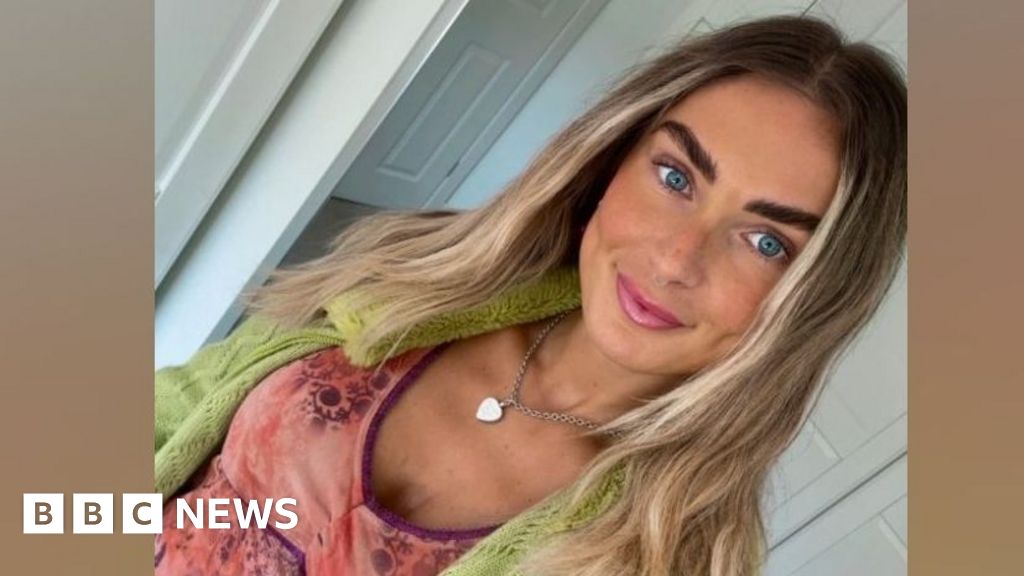
Women with endometriosis are being forced out of work, losing income and facing significant financial hardship because of the condition, according to a new report by MPs.
The inquiry by the All-Party Parliamentary Group on Endometriosis, supported by Endometriosis UK, found 47% of women with the condition had lost income because of their symptoms, while 28% had left a job altogether.
Among them was Chloe Ward, from Bolton, who said her endometriosis - which can cause severe pain, fatigue, heavy bleeding and fertility problems - had cost her thousands of pounds and affected her ability to run her own business.
She said: "A lot of people think it's just a bad period, but it's so much worse."
About one in 10 women suffer from the condition, but diagnosis can be a lengthy process.
Chloe said it took seven years for her to be diagnosed.
She said being self-employed in the beauty industry meant she had flexibility, but no financial safety net.
"If I'm not there to do the treatments, nobody pays me," she said.
She told BBC Radio Manchester she had lost clients over the years because flare-ups could leave her unable to work at short notice.
Chloe is now waiting for a hysterectomy, which will mean more time away from work.
"There's so much to it that people don't understand," she said.
The financial impact has extended beyond lost earnings.
After receiving a stage-four endometriosis diagnosis in 2023, she paid about £6,000 for private surgery because NHS waiting times were too long.
She and her partner also spent about £8,000 on a third round of IVF after two NHS-funded attempts failed.
The report found 39% of women with endometriosis had experienced financial hardship because of the condition, while 40% said they had turned down career opportunities due to a lack of workplace support.
Megan Gomersall, 30, from Rochdale, said the condition ended a career she loved.
The former paediatric nurse has been out of work for about two and a half years because of her symptoms.
She said endometriosis, which affects her bladder and bowel, left her in severe pain during shifts and frequently off sick before she received a diagnosis.
It took 13 years for her condition to be identified.
"It has been really, really difficult," she said.
"It's been like a grieving process in a way. I feel like I've completely lost my identity and purpose."
Megan said she believed more could be done to help women remain in work through reasonable adjustments and greater awareness of the condition.
The inquiry found fewer than half of employees with endometriosis had received workplace adjustments, while 94% believed employers lacked a good understanding of the condition.
A Department of Health and Social Care spokesperson said endometriosis can have a "devastating impact" on women's lives and said the government's renewed Women's Health Strategy identifies it as a priority condition.
The spokesperson said the findings highlighted the need for better support, both in healthcare and in the workplace.
Listen to the best of BBC Radio Manchester on Sounds and follow BBC Manchester on Facebook , X , and Instagram . You can also send story ideas via Whatsapp to 0808 100 2230.
Doctors said I was too young to have endometriosis at 13 - I had to take morphine to cope
'I waited 30 years for my endometriosis diagnosis'
Emma Barnett: We can't ignore this disease that leaves one in 10 women like me in agony
Topics in this story
Gathered from external sources. Rights to this text belong to whoever originally published it.