US midterms 2026: Vivek Ramaswamy outlines 7 executive orders he would sign on ‘day 1’ as Ohio governor
Ohio gubernatorial candidate Vivek Ramaswamy proposes seven transformative executive orders to be signed on his first day in office, targeting property tax reform, immigration cooperation, data center regulations, Medicaid efficiency, violent crime resolution, government spending oversight, and a new anti-fraud task force.
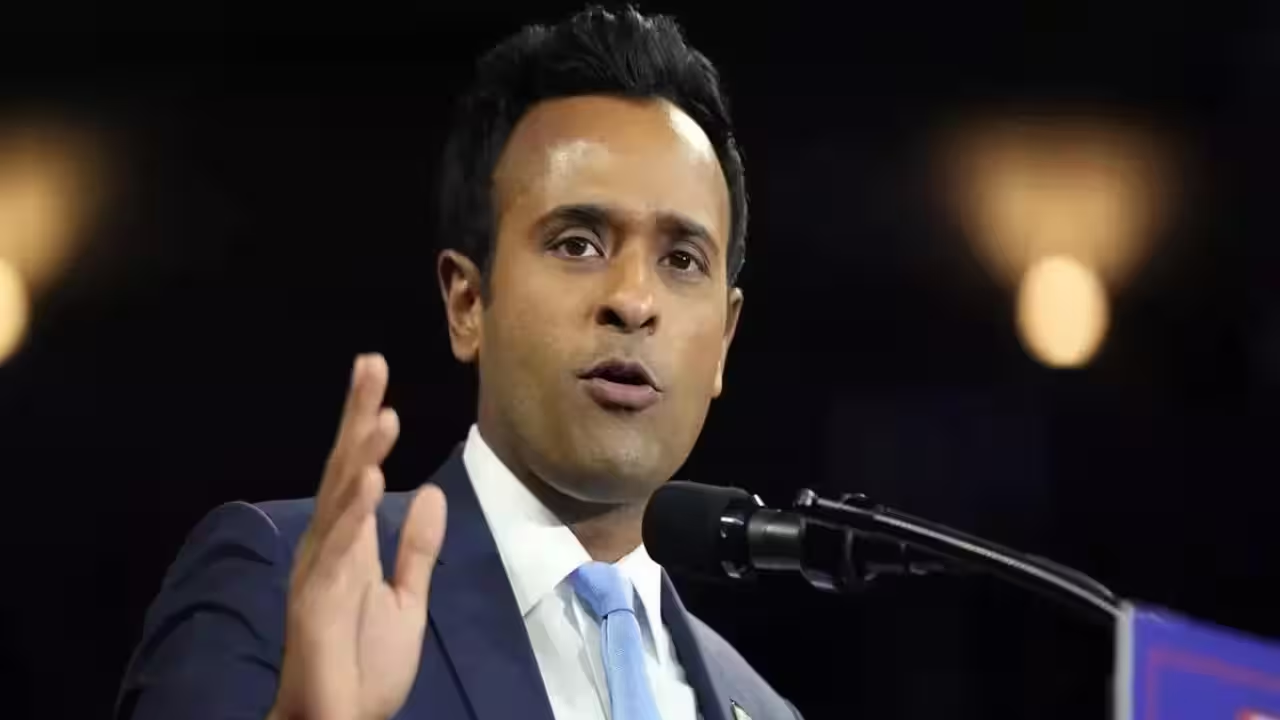
Ohio Republican gubernatorial candidate Vivek Ramaswamy has announced seven executive orders he would sign on January 11 if elected, proposing changes to property tax oversight, immigration enforcement, data centre approvals, Medicaid spending and state government operations.“Here’s my list of Day 1 Executive Orders. They’ll be signed before midnight on January 11. Buckle up,” Ramaswamy wrote on X while sharing the proposals.One of the proposed orders would direct the Ohio Department of Taxation, in consultation with the Auditor of State, to review property tax increases across counties, townships, municipalities, school districts and special districts. Jurisdictions where property taxes have risen by more than 100% since 2020 would face a full investigation into how the additional revenue was spent and their financial requirements.Another proposal would restrict state funding for local governments that do not cooperate with federal immigration authorities. Under the plan, cities, townships and counties that fail to honour federal immigration detainer requests or share information as permitted by federal law could lose access to state grants, including public safety and homeland security funding. The policies could also be referred for legal action.Ramaswamy has also proposed pausing state agency action on applications, permits, incentives and approvals for new data centre projects until the Ohio General Assembly passes comprehensive legislation governing the sector.On healthcare spending, he wants the Department of Medicaid to seek a federal Section 1115 waiver to cap the state's Medicaid expenditure. The proposal draws on Tennessee's TennCare III model, under which the state could retain up to 55% of federal savings if spending remained below an agreed cap.Another order would direct the Departments of Public Safety and Rehabilitation and Corrections to prioritise violent crime clearance rates when allocating discretionary funding to local law enforcement. Ramaswamy's campaign puts Ohio's current clearance rate at 34% and says the proposal would support efforts to improve the number of violent crimes solved.He also wants a review of all executive-branch contracts funded through Ohio's General Revenue Fund. The Department of Administrative Services and the Office of Budget and Management would examine each contract's legal basis, necessity, performance and cost of termination before recommending whether it should continue.The seventh proposal would establish an inter-agency anti-fraud task force reporting directly to the governor. Its proposed areas of focus include Medicaid, benefits and childcare fraud, visa fraud, voter registration fraud, trucking violations, foreign commercial driver's licence issuance and the hiring of foreign workers by public entities.Ramaswamy is facing Democratic gubernatorial candidate Amy Acton in the Ohio governor's race. His campaign recently stopped airing an advertisement featuring Acton's estranged mother, Donna Arthur, after it drew criticism from both Republicans and Democrats.Arthur appeared in the advertisement calling her daughter a "liar". Ramaswamy defended the campaign's decision, saying the advertisement focused on alleged dishonesty rather than Acton's childhood. He later said the advertisement had completed its run and had been replaced by four others.You use AI every day. Now get your AI Quotient. Take the AIQ test.
Topics in this story
Gathered from external sources. Rights to this text belong to whoever originally published it.