United by tehzeeb: How migrants became Lakhnavis
Lucknow’s migrant communities—Kashmiri, Parsi, Marathi, Gujarati, Bengali, Sikh and more—trace their roots, festivals and roles in shaping the city’s tehzeeb.
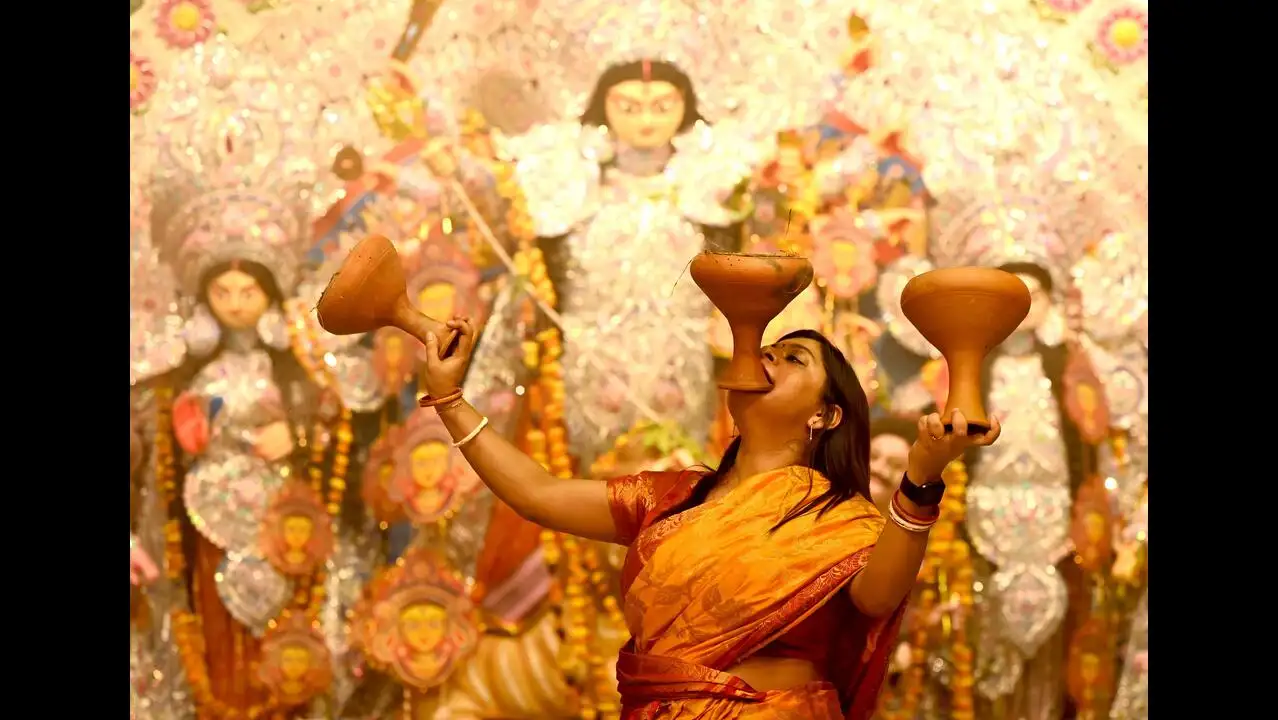
In the lanes of Chowk, the old neighbourhoods of Aminabad, the academic corridors of Lucknow University, the railway settlements of Alambagh and Charbagh, and the newer colonies of Gomti Nagar and Indira Nagar, Lucknow’s composite culture continues to live through communities that came from faraway regions and made the city their own.Kashmiris, Parsis, Maharashtrians, Gujaratis, Bengalis, Sikhs, Odias, Anglo-Indians, Kayasthas, Malayalis, Sindhis and Uttarakhandis have all added distinct shades to the city’s cultural canvas. Some arrived in the courts of nawabs, some came with the railways and the colonial administration, some as refugees after Partition, and others in search of education, employment, trade and a life of dignity. Over generations, they became part of Lucknow’s tehzeeb, absorbing its nazakat and nafasat while keeping alive their own festivals, food, language, rituals and associations.They were not born Lakhnavis, but the city’s mannerisms, poise and warmth gave them a sense of belonging. In return, they enriched the city’s social, cultural, administrative, commercial and educational life.KashmirisThe Kashmiri community’s presence in Lucknow dates back to 1775, during the reign of Nawab Asaf-ud-Daula. Drawn by opportunities in the nawab’s court, many Kashmiris, well-versed in Persian, the official language of the time, secured important administrative and cultural positions. Their command over language and courtly etiquette helped them find a respected place in Awadh’s power structure.According to Ravi Kachru, secretary of Panun Kashmir, one of the earliest Kashmiri families to settle in Lucknow was the Sharga family, which made Rani Katra in Chowk its home. “Their arrival marked the beginning of a deep-rooted cultural connection between Kashmir and Awadh,” said Kachru.Over time, Kashmiri families became an integral part of Lucknow’s socio-cultural life. Many served in the royal court and held positions of trust and honour. Their homes carried memories of Kashmir, but their public lives became deeply intertwined with Awadhi customs, language and courtly refinement.Jyoti Kaul, president of the Kashmir Association, said, “Many Kashmiri families served in the royal court and held respectable positions, but over time, they gradually gave up their native language, assimilating linguistically and culturally into the Awadhi milieu. Despite this, their legacy remains embedded in the city’s rich historical tapestry.”ParsisThe Parsi community in Lucknow has always been small in number, but its historical importance has been significant. Nawrojee Damkawala is believed to have been the first Parsi to come to Lucknow between 1837 and 1842, during the reign of King Mohammad Ali Shah. He traded in silk and pearls from China with the nawabs and soon developed a close association with the city.He encouraged other Parsis to settle here, helping lay the foundation of a small but respected community. His son, Heerji Bhoi Nawrojee, later started the business of making horse-drawn carriages, an enterprise that became associated with the city’s elite lifestyle.Zarine Viccajee, Damkawala’s great-great-granddaughter, said the community adapted to local circumstances while preserving its identity.Today, around 45 Parsis remain in Lucknow. They celebrate festivals such as Navroz and Khordad Saal and continue to cherish their heritage through community gatherings, family traditions and collective memory.MaharashtriansThe Maharashtrian community, now numbering around 5,000 in Lucknow, traces its roots to the early 19th century after the exile of Bajirao II to Bithoor following the Third Anglo-Maratha War in 1818. Many Maharashtrians later joined royal courts across Uttar Pradesh, bringing with them administrative, military and cultural traditions.A second wave arrived in the early 20th century. Among them was Dr Laxman Gangadhar Natu, who came to Lucknow for medical practice and also pursued his passion for music. The families of Dr Natu, Maharane, Joshi and Vaishampaiyan were among the early Maharashtrian families that settled in the city.Dinesh Joshi, general secretary of Maharashtra Samaj, said Maharashtrians came to Lucknow in the early 1900s. “In 1921, the first Ganesh Puja began, and among the first families that came here were the families of Dr Natu, Maharane, Joshi and Vaishampaiyan,” he said.“My great-grandfather believed Lucknow offered the perfect blend of culture and opportunity,” said Anant Jayant Natu.With the establishment of Maharashtra Samaj in 1921, the community found a cultural anchor.“In 1971, my father Ankush Gadge encouraged people from Sangli and Satara to settle and start businesses in Lucknow. The community mainly resides in Aminabad, Gomti Nagar, Indira Nagar and Chowk,” said Umesh Patil, president of Marathi Samaj.GujaratisThe Gujarati community’s roots in Lucknow go back to the Nawabi era, particularly the reign of Nawab Asaf-ud-Daula in the late 18th century. Drawn by trade opportunities in textiles, gems and banking, Gujaratis arrived from cities such as Surat, Ahmedabad and Bhavnagar.They soon became trusted merchants and financiers to the royal court. Their reputation for business acumen, integrity and financial skill helped them establish a strong presence in the city’s commercial life.“Our ancestors were invited by the nawabs for their business acumen and integrity. They supplied fine fabrics, managed accounts and even advised on trade,” said Beena Shah, a senior member of the Gujarati community in Lucknow.BengalisThe Bengali community first came to Lucknow during the reign of Nawab Nasir-ud-din-Haider Shah between 1827 and 1837. Scholars such as Kalicharan Chattopadhyaya and Madhav Das were invited to oversee the Tara Wali Kothi observatory. Their arrival laid the foundation for one of the city’s most vibrant cultural communities.Bengalis introduced Durga Puja and Kali Puja to Lucknow. Over time, these festivals became iconic parts of the city’s cultural calendar.Enakshi Sinha, general secretary of Bengali Club, said the scholars were invited by the nawab to take care of Tara Wali Kothi. Later, their families and friends also travelled to Lucknow. They settled in areas such as Sundarbagh, Nazarbagh and Hewett Road, and later spread to Ashiyana, Aliganj and Daliganj.Institutions such as Bangiyo Yuvak Samiti, established in 1892, and Bengali Club, established in 1901, became major cultural pillars. Atul Krishna Sinha gifted land to the Bengali Club in 1914, strengthening the institutional base of the community.Today, around 2.5 lakh Bengalis live in Lucknow, including areas such as Model House and Ravindrapalli.SikhsLucknow’s Sikh community has strong roots in the Ramgarhia Biradari, known for carpentry, craftsmanship and railway wagon-making. Singar Singh, one of the pioneers, gave his name to Singar Nagar, a locality that still carries the memory of the community’s early presence.During Partition, many Sikhs arrived in Lucknow as refugees. People such as Kartar Singh Akali and Khadak Singh Akali rebuilt their lives in the city after displacement. Their stories became part of the larger narrative of courage, labour and resilience that marked post-Partition Lucknow.Today, around 80,000 Sikhs live in Lucknow, particularly in Charbagh, Alambagh, Rajendranagar and Guru Nanaknagar.Prominent members of the Sikh community include Trilochan Singh Chan, Narendra Singh Gulshan, Diwanaji and actor Amarjeet Singh.OdiasThe Odia community’s association with Lucknow began in 1946, when plumbers such as Raj Kishore Khuntia came to the city for work. Their arrival marked the beginning of a migration that would gradually grow through education, government service, art and professional opportunities.A major figure in the community’s history was sculptor Padma Shri Shridhar Mahapatra, who was associated with Santiniketan and later joined Lucknow University as a professor. His presence gave the community cultural visibility and helped anchor Odias in the intellectual and artistic life of the city.Prof DR Sahu, secretary of Odia Samaj, Lucknow, said among the first arrivals was Prof Shridhar Mahapatra of Fine Arts. Odias mainly live in Indira Nagar, Gomti Nagar, Rajajipuram and Aliganj. The Odia Samaj was established in 1994 and became an important platform for cultural activities.With thousands of members, the Odia community celebrates festivals and maintains social networks through Odia Samaj. According to Prof Sahu, around 36,000 Odia families now reside in Lucknow.Anglo-IndiansThe Anglo-Indian community grew during colonial times, when British officers settled in Lucknow with Indian families. Over time, the community became closely associated with education, music, administration, railways and public life.Their schools became enduring landmarks of excellence. Institutions such as La Martiniere, Loreto Convent and St Francis continue to hold a special place in the city’s educational landscape.Today, about 2,000 members of the community live in areas such as Lawrence Terrace and trans-Gomti. The Anglo-Indian Association, established in 1943, remains an important community body. Christmas and Easter continue to be celebrated with warmth, music, prayer and family gatherings.Prominent members of the community include Vir Chakra awardees Trevor and Denzil Keelor, educationist Peter Fanthome, civil servant Terrence Barker, musician George Figg and Dorothy Crosswaite, trustee of Uttar Pradesh’s only Anglo-Indian old-age home.KayasthasThe Kayastha community has had a deep and lasting influence on Lucknow’s administrative and cultural life. Its prominence dates back to the Nawabi era, when Persian was the language of the court. Fluent in Persian and skilled in documentation, accounts and correspondence, Kayasthas served as scribes, accountants, ministers and custodians of official records in the Nawabi bureaucracy.“Our ancestors were the cornerstone of the Nawabi administration. They kept records, managed finances and handled correspondence at the highest level,” said Anup Srivastava, a member of the community.Kayasthas settled in areas such as Lalbagh, Aminabad, Hazratganj and Saadatganj.MalayalisMalayalis began migrating to Lucknow in the 1950s for education, medicine and employment. Kerala Samajam, formed in 1956, became their cultural hub. Its first meeting was held at Krishna Cafe in Hazratganj under the leadership of Sanskrit scholar Prof Subramanian Iyer.The community gradually built schools, temples and cultural institutions while maintaining its links with Kerala. The Lord Ayyappa Mandir became one of its important religious centres. Festivals such as Onam, Christmas and cultural events like Kala Mela bring Malayalis together across generations.Jenson James, general secretary of Kerala Samajam, said nearly 5,000 Malayalis call Lucknow home. The community is spread across Gomti Nagar and other parts of the city.SindhisThe Sindhi community’s modern story in Lucknow began with Partition, when many families fled Sindh and arrived with little more than courage and determination. They rebuilt their lives through hard work, trade and mutual support.Refugees such as Satish Athwani started from scratch, selling ice balls and soaps to sustain their families. Pioneers such as Seth Motiram had already set up businesses, including Indira Tiles, and helped newcomers with food, education and basic support.The Lucknow Sindhu Samaj, established in 1955, became a major anchor for the community.Today, around 60,000 Sindhis live in Lucknow, said Murlidhar Ahuja, a member of the Sindhi community. Over the decades, they have become known for entrepreneurship, philanthropy and strong community networks.UttarakhandisMigrants from Uttarakhand began arriving in Lucknow in 1938 for jobs and studies. To support them, they formed Kumaon Parishad, which later became an important cultural and social body. In 2014, it merged into Uttarakhand Mahaparishad, which now serves as the community’s voice in the city.With around 4.5 lakh people, Uttarakhandis are one of Lucknow’s largest migrant groups. They celebrate Harela, Bakhai, Uttarakhand Mahotsav and Ramlila, keeping alive the traditions of the hills while being fully woven into the life of the city.Bharat Singh Bisht, general secretary of Uttarakhand Mahaparishad, said the community continues to maintain its cultural roots through festivals, associations and collective celebrations.You Can Also Check: Gold Rate in Lucknow | Silver Rate in Lucknow | Bank Holidays in Lucknow | Public Holidays in Lucknow | Lucknow AQI | Weather in Lucknow | Petrol Price in Lucknow | Diesel Price in Lucknow | CNG Price in Lucknow | LPG Price in LucknowStay updated with the latest Lucknow news. Download the TOI App.
Topics in this story
Gathered from external sources. Rights to this text belong to whoever originally published it.