A Kentucky church bought residential land for a Virgin Mary shrine, but neighbours challenged the plan; now the US Supreme Court has agreed to hear the zoning dispute
A proposed shrine to the Virgin Mary has brought a Kentucky church group into a dispute over residential zoning, with the case now heading to the highest
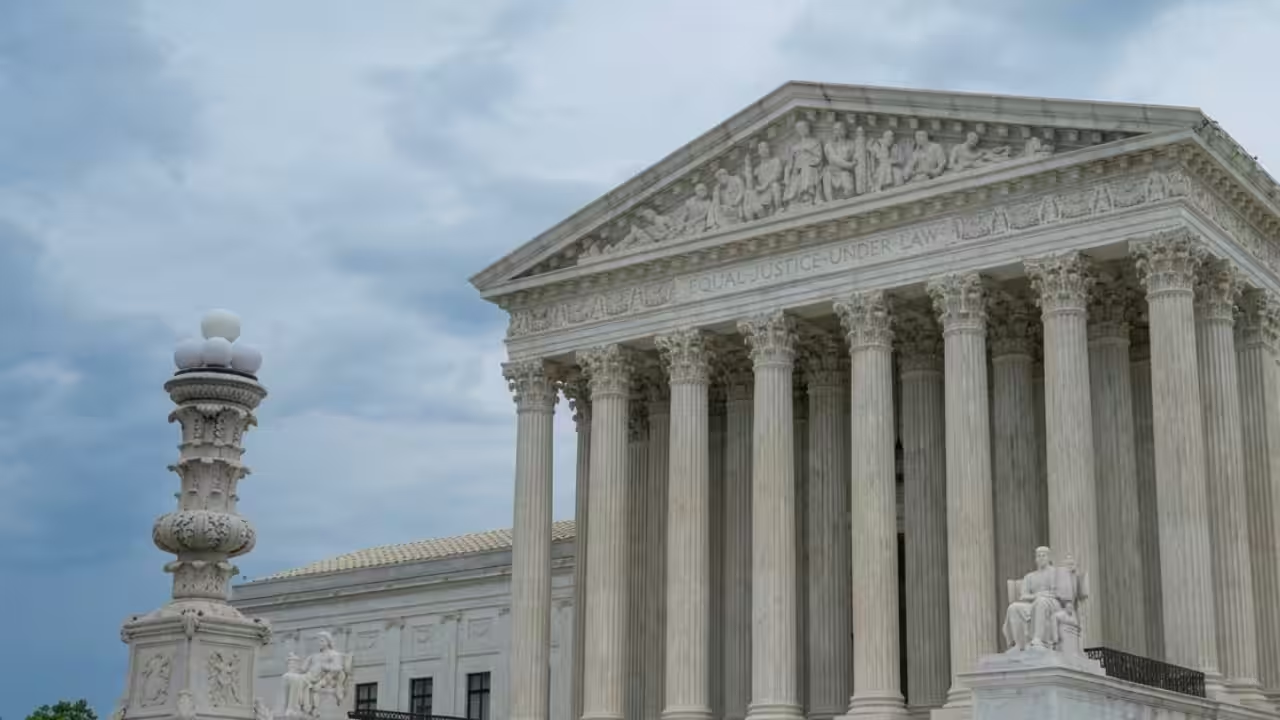
A proposed shrine to the Virgin Mary has brought a Kentucky church group into a dispute over residential zoning, with the case now heading to the highest court in the United States. The Missionaries of Saint John the Baptist, a nonprofit formed by Roman Catholic priests, wants to build the religious structure on a neighbouring plot it purchased for that purpose. Residents challenged the plan, raising concerns about the effect on their neighbourhood and whether local zoning rules had been properly applied. As reported by the Associated Press (AP), after the dispute moved through Kentucky’s courts, the US Supreme Court agreed on October 1, 2026, to consider the case, bringing a local planning disagreement into a wider legal debate over religious freedom and land use.Kentucky church shrine plan faces residential zoning restrictionsThe Missionaries of Saint John the Baptist acquired a residential property in Park Hills, Kentucky, a suburb of Cincinnati, intending to use it for a shrine dedicated to the Virgin Mary. The group maintains that the project forms part of its religious mission and that federal law provides grounds for challenging restrictions that prevent it from going ahead.The dispute centres on how far religious organisations can rely on federal protections when local planning rules limit the use of land for religious purposes. The group has argued that the relevant law can prevent government authorities from enforcing land-use regulations that place a substantial burden on religious exercise in certain circumstances.Neighbours challenge Kentucky church shrine plan over zoning rulesThe proposal faced opposition from a family living in the neighbourhood. Reportedly, the family raised concerns about traffic and argued that the shrine could add to existing problems in the area. It challenged the local zoning board's decision in state court, ultimately securing a ruling against the church group's plans.The case turned in part on whether the zoning board had the legal authority to grant a variance allowing the religious structure to be built on the residential tract. In December 2025, the Kentucky Supreme Court concluded that the board lacked that authority.The ruling left the Missionaries of Saint John the Baptist unable to rely on the variance to move forward with the project. The organisation subsequently sought review by the US Supreme Court, arguing that the state court had interpreted federal protections for religious land use incorrectly. The opposing family has maintained that the church group knew the property was covered by zoning restrictions that prevented the proposed use when it bought the land. It has also questioned why the shrine could not be constructed on property already belonging to the church rather than on a neighbouring residential plot.Religious land use law at the centre of Kentucky shrine disputeThe Missionaries of Saint John the Baptist argues that the Kentucky Supreme Court's ruling conflicts with earlier decisions by the US Supreme Court and rulings from other appellate courts. Its lawyers have presented the disagreement between courts as a reason for the nation's highest court to intervene. In its petition, the organisation contends that the legal conflict is longstanding and has been recognised across the lower courts. The outcome could clarify how federal religious land-use protections apply when a religious institution seeks to build on property that is not zoned for that purpose.The neighbourhood family has opposed the appeal, arguing that the case does not warrant intervention by the Supreme Court. Its position is that the dispute concerns a local zoning decision and that the church group has not established why the proposed shrine must be built on the residential property.Supreme Court review brings a local dispute to WashingtonThe Supreme Court's decision to hear the case, announced on October 1, 2026, means the justices will examine the legal questions raised by the competing arguments. The court is expected to hear oral arguments in the coming months, although its decision will determine how the dispute proceeds from there. The case adds to a series of matters before the court involving the relationship between religious rights and government authority. Here, the immediate question concerns a specific piece of land in a Kentucky suburb, but the legal arguments reach beyond the proposed shrine itself.At stake is how federal protections should be applied when religious organisations and local authorities disagree over the use of property. The justices will consider the church group's claim that the state court misapplied federal law alongside the neighbours' argument that ordinary zoning restrictions should stand. For now, the shrine remains the subject of a legal dispute rather than an approved development. The Supreme Court's review will address the legal basis for the church group's challenge, with the eventual ruling expected to shape the next stage of the case.You use AI every day. Now get your AI Quotient. Take the AIQ test.
Topics in this story
Gathered from external sources. Rights to this text belong to whoever originally published it.