German researchers turn pet dogs into conservation detectives to track invasive plants, with volunteer teams achieving 75% detection success in field tests
Ordinary pet dogs in Germany are being trained to take on an unusual conservation mission, sniffing out invasive plants before they spread further into
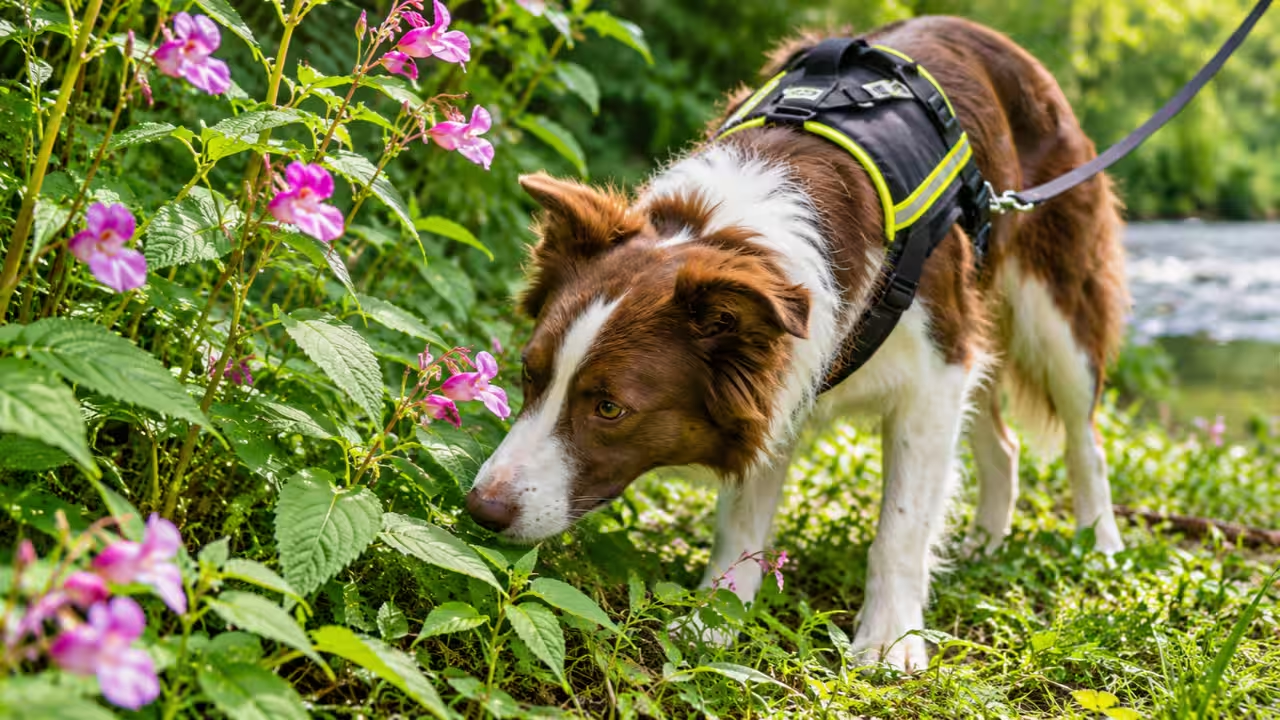
Ordinary pet dogs in Germany are being trained to take on an unusual conservation mission, sniffing out invasive plants before they spread further into the wild. Researchers associated with the Helmholtz Centre for Environmental Research have found that volunteer dog-handler teams can be trained to identify specific invasive plant species using their powerful sense of smell. The project involved 31 teams that underwent training between 2021 and 2023, with 12 eventually completing field assessments. Of those, 11 passed the tests, achieving an average detection success rate of 75%. The findings highlight how everyday pet owners and their dogs could become additional participants in ecological monitoring and help conservationists locate invasive vegetation.How German researchers trained pet dogs to detect invasive plantsThe research was conducted as part of the IGAMon-Dog project, which explored whether privately owned dogs and their volunteer handlers could contribute to monitoring invasive alien species.Researchers trained the participating dogs to recognise the odours of three invasive plant groups: Himalayan balsam, common ragweed and knotweeds. The programme focused on teaching dogs to distinguish the target plants through scent rather than relying on visual identification.The training took place between 2021 and 2023 and involved 31 dog-handler teams. Participants were guided through structured exercises designed to help dogs recognise specific plant odours and communicate their findings to their handlers.The initiative brought together dog owners, trainers and environmental researchers to explore a citizen-science approach to invasive species monitoring.11 of 12 volunteer teams pass field testsThe field assessments provided an opportunity to evaluate whether the dogs could apply their training outside controlled exercises.Of the 31 teams that initially participated, 12 completed the field testing, and 11 successfully passed the assessment. The teams recorded an average detection success rate of 75%.The findings demonstrated that volunteer dog-handler teams could identify target invasive plants in real-world environments. The results also highlighted the potential of involving privately owned dogs in conservation work rather than depending exclusively on professionally trained detection animals.The difference between the number of teams initially trained and those that completed field testing also reflected the practical challenges involved in preparing volunteers and their dogs for this specialised work.Dogs use their noses to locate plants without disturbing themAn important part of the training involved teaching dogs how to communicate their discoveries without damaging the vegetation.Rather than digging up or biting the plants, the dogs were trained to give their handlers a passive indication when they detected a target scent. This allowed the volunteers to identify the location of a plant while leaving it undisturbed.The approach is particularly useful for ecological monitoring because the purpose is to locate and record invasive vegetation, not remove it during the search.Dogs' strong sense of smell gives them a potential advantage when searching areas where plants may be difficult to distinguish visually or are growing among other vegetation.Invasive alien species are considered one of the major drivers of biodiversity loss worldwide. They can spread into new environments, compete with native species and alter ecosystems.Identifying these plants at an early stage can give conservationists a better opportunity to control their spread. However, monitoring large natural areas requires considerable time, labour and resources.Researchers noted that the lack of effective early-detection methods has made it difficult for ecologists to identify new infestations before invasive species become established.Trained detection dogs could provide an additional way to survey these areas. Their ability to locate specific plant odours may help researchers identify target species even when visual searches are challenging.Everyday dog walks could become conservation missionsOne of the project's most interesting possibilities is the involvement of ordinary pet owners in biodiversity conservation.With appropriate training, volunteers could potentially incorporate invasive plant searches into their regular outdoor activities with their dogs. This could expand the number of people participating in ecological monitoring and help conservation groups gather information about where invasive plants are growing.The researchers highlighted the opportunity to combine dogs' sense of smell with the enthusiasm of citizen scientists. However, they stressed that successful monitoring requires carefully designed training and continued guidance from both dog-training and ecological experts.The project also developed recommendations for improving volunteer selection, coordination, dog training and the initial deployment of detection teams, which could help similar programmes become more effective.A citizen-science project backed by German research fundingThe initiative was part of the IGAMon-Dog project, which explored how trained dogs and volunteer handlers could contribute to monitoring invasive alien species.The research was led by Annegret Grimm-Seyfarth and colleagues at Germany's Helmholtz Centre for Environmental Research (UFZ). The study received funding from the German Federal Ministry of Education and Research.You use AI every day. Now get your AI Quotient. Take the AIQ test.
Topics in this story
Gathered from external sources. Rights to this text belong to whoever originally published it.