PCOS and fertility: 5 everyday lifestyle changes that may help improve ovulation and support your chances of conceiving
For many women, a PCOS diagnosis brings an immediate worry: Will it affect the chances of becoming a mother?
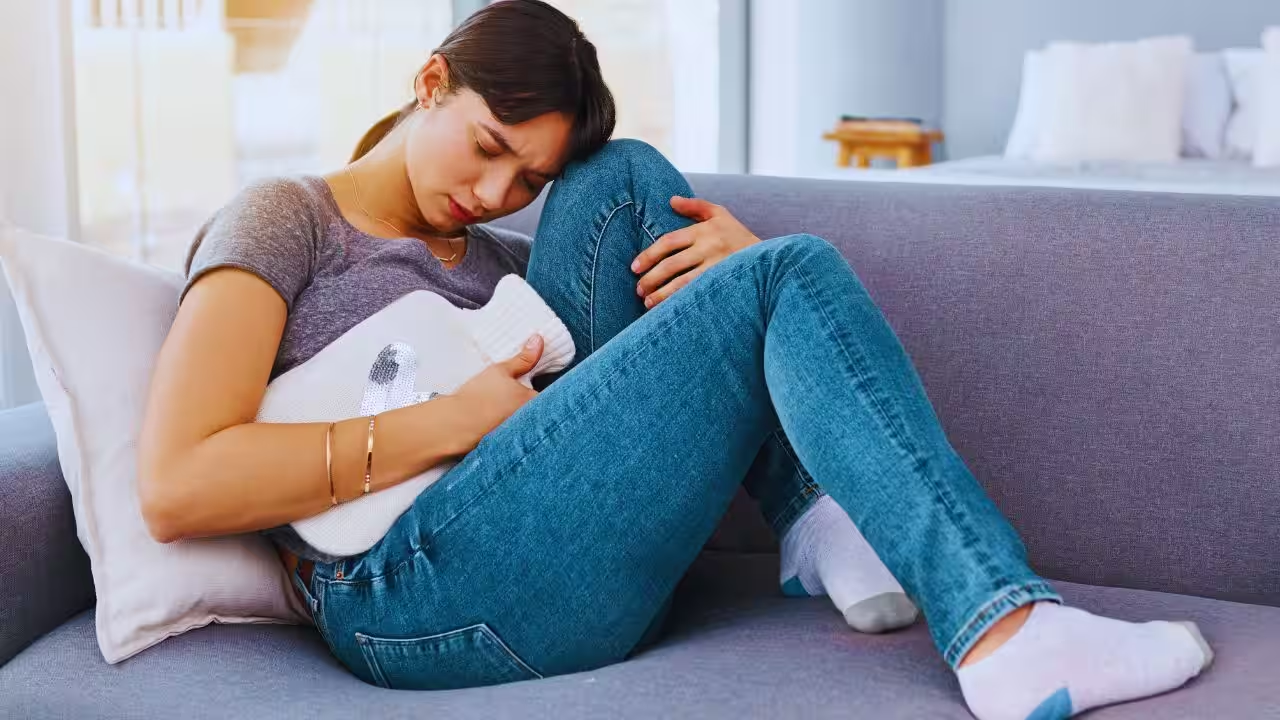
For many women, a PCOS diagnosis brings an immediate worry: Will it affect the chances of becoming a mother? Irregular periods, hormonal changes and unpredictable ovulation can make the journey towards pregnancy confusing. But PCOS does not automatically mean infertility. Many women with the condition conceive naturally.The key lies in understanding that PCOS is not just about the ovaries. It is also linked to insulin resistance, metabolism and hormonal health. According to Dr Narendra K Shetty, Chief Wellness Officer, Kshemavana Naturopathy and Yoga Center, a combination of sensible nutrition, physical activity, adequate sleep and timely medical care can support reproductive health.Start with what goes on the plateFood choices can influence insulin levels, which matter because insulin resistance can contribute to higher androgen levels and interfere with normal ovulation.Dr Shetty recommends a balanced, largely plant-based diet containing whole grains, millets, pulses, seasonal vegetables, fruits, nuts and seeds."Particular attention should be given to including plant-based protein and fibre, choosing minimally processed grains, adding healthy fats from nuts and seeds, and cutting back on sugars, sweet drinks and highly processed foods," he explained.Instead of following restrictive diets, women can focus on sustainable eating habits that support blood sugar regulation and overall metabolic health.Move beyond exercise for weight lossPhysical activity is not simply about reducing numbers on the weighing scale. Regular movement can improve insulin sensitivity, cardiovascular health and metabolic function."Adding yoga to walking, cycling and resistance work can give extra metabolic benefits," Dr Shetty said.Practices such as Surya Namaskar, Trikonasana and Baddha Konasana can complement regular exercise, depending on individual ability. Adults can aim for 150–300 minutes of moderate-intensity physical activity each week.However, yoga should not be treated as a cure for PCOS or a guaranteed way to restore ovulation.Do not make weight the only measure of healthPCOS affects women across different body sizes. A woman with a healthy BMI can also experience insulin resistance, irregular periods and hormonal disturbances.For women carrying excess weight, gradual and sustainable weight loss may improve insulin sensitivity and menstrual regularity. But weight alone does not tell the complete story.Fitness, blood sugar control, body composition and nutritional health deserve equal attention.Give sleep and emotional health their dueFertility conversations often focus on hormones and reproductive organs, leaving emotional well-being in the background.Yet stress, poor sleep and persistent anxiety can affect overall metabolic health. Dr Shetty recommends maintaining regular sleep timings, getting seven to nine hours of rest, practising mindfulness and incorporating breathing exercises such as Nadi Shodhana and Bhramari.These practices can support well-being, although they cannot replace medical treatment.Combine lifestyle changes with timely medical carePerhaps the most important point is that natural approaches should complement, not replace, evidence-based treatment.Women experiencing prolonged gaps between periods, irregular ovulation or difficulty conceiving should seek medical evaluation. For women with anovulatory infertility due to PCOS, letrozole is a recommended first-line ovulation-induction treatment when appropriate."An integrative approach that mixes proven care with naturopathic and yogic lifestyle changes can help support overall health and reproductive well-being," Dr Shetty explained.Herbal preparations and supplements should also be discussed with a doctor, particularly when planning pregnancy.PCOS is not a verdict on motherhood. Supporting ovulation requires attention to more than menstrual cycles. Consistent lifestyle habits, metabolic health and timely medical support can help women make informed decisions about their fertility.Disclaimer: This article is for general informational purposes and is not a substitute for professional medical advice, diagnosis or treatment. Women with PCOS should consult a qualified healthcare professional before making dietary, exercise or treatment changes.You use AI every day. Now get your AI Quotient. Take the AIQ testGet the latest Lifestyle News and more. Download the TOI app.
Topics in this story
Gathered from external sources. Rights to this text belong to whoever originally published it.