“Maze is glass, somehow I’m lost”: Bermondsey schoolgirl wins national writing contest with six words, beating nearly 950 young writers
A schoolgirl from Bermondsey has won a national competition that asked young writers to tell a story in just six words.
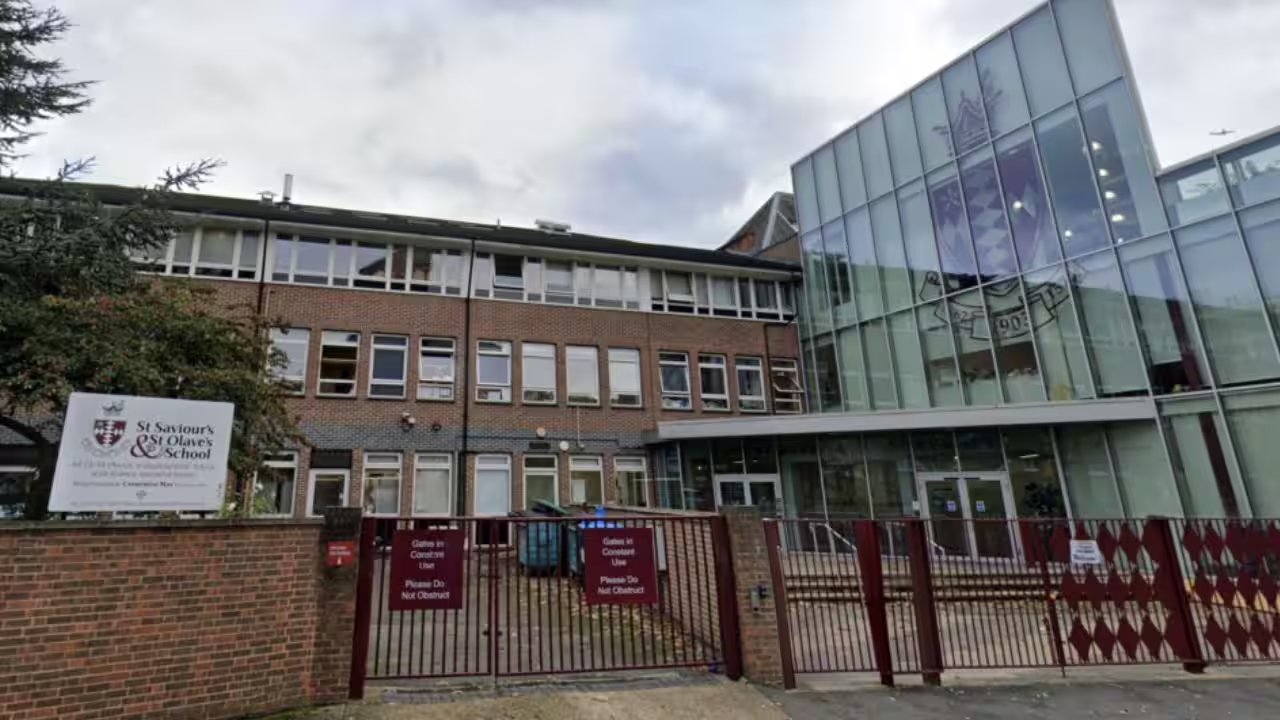
A schoolgirl from Bermondsey has won a national competition that asked young writers to tell a story in just six words. Amal Badmus, a Year 10 student at St Saviour’s and St Olave’s Church of England School, was selected from nearly 950 young writers from 26 schools.Her winning story, “Maze is glass, somehow I’m lost.” impressed the judging panel at Penguin Random House.According to the Southwark News, the competition is inspired by Ernest Hemingway’s famous six-word story, “For sale: baby shoes, never worn”, and encourages students to express their ideas through short pieces of writing. Amal’s entry was praised for its impact and relevance to younger readers, while her school’s head teacher congratulated her on the achievement.Amal Badmus wins 2026 six-word story competition with six-word entryAmal Badmus was crowned the winner of the national 2026 Six Word Story competition after her entry impressed the Penguin Random House judging panel. The Year 10 student from St Saviour’s and St Olave’s Church of England School was selected from nearly 950 young writers representing 26 different schools.Her winning entry read, “Maze is glass, somehow I’m lost.” The short piece received praise for conveying meaning in just six words. The competition challenges students to explore their storytelling abilities and develop their own unique voices through creative writing.Amal’s success placed her ahead of hundreds of other young participants in a national competition designed to test how effectively young writers can communicate ideas with very few words.Six-word story competition challenges students to make every word countThe Six Word Story competition takes inspiration from author Ernest Hemingway’s famous six-word story, “For sale: baby shoes, never worn”. The format challenges writers to create a story using only six words, making every word important to the meaning of the finished piece.The competition encourages students across the country to discover their own unique voices and develop their storytelling abilities. Rather than relying on lengthy descriptions, participants must convey meaning within a strict word limit.Amal’s winning entry, “Maze is glass, somehow I’m lost,” was praised by the judges for the impact it achieved in such a short space. Her success demonstrated the kind of concise storytelling the competition aims to encourage among young writers.Why did Amal Badmus’s six-word story impress the judgesThe Penguin Random House judging panel praised Amal’s story for its impact and relevance to younger readers. The judges said the piece would particularly resonate with young people facing challenges that could affect their futures in unknown ways.Explaining their decision, the panel said: “This short story is our winner because it packs a punch and really made us think - which is so impressive to do with just six words. Well done, Amal!”The judges’ comments highlighted the effect of Amal’s entry despite its brevity. Her story was selected from nearly 950 young writers across 26 schools, making her the national competition’s winner for 2026.How did Amal’s six-word story earn praise from her head teacherCatherine May, head teacher at St Saviour’s and St Olave’s Church of England School, said, “I was absolutely thrilled when I heard that Amal had won this competition”“It’s a great challenge to convey meaning in so few words, and I’m incredibly impressed with the skill and talent shown here. We are very proud of Amal and her powerful piece of writing…”National finalists in the competition, which is run by creative writing charity First Story, received a book bundle from Penguin Random House, printed postcards of their story, a notebook and a certificate.You use AI every day. Now get your AI Quotient. Take the AIQ test.
Topics in this story
Gathered from external sources. Rights to this text belong to whoever originally published it.